
Community building
These episodes are about how customers, players, volunteers or participants become people who carry a business. Jenni Baum-Minkus (gitti) built her launch entirely on Instagram and sold out the first batch in under two hours, Moritz Fürste (HYROX) turned fitness into a competition with close to one million participants in 2025, and at Lucas Bürger's GrieferGames around 200 people from the community worked on the server at peak times, all unpaid at first.
The guests agree that community comes from participation, not from campaigns: Marlena Hien let followers decide on products through Instagram question stickers, Charlotte Küppers and Sherin Maruhn ran recovery walks before they had a product, and Waldemar Zeiler says community needs hosts and an invitation. They disagree on the channel: Jenni Baum-Minkus built her community on Instagram, while LOOSH rates founder storytelling on Instagram only a C. Niklas Schwab adds that memes bring the most likes but streamers build the best communities, and Janet Pawelczyk considers a million followers without engagement worthless.
The episodes are useful for founders of consumer brands, event and platform businesses, for creators who want more from their reach, and for anyone building a charity or a volunteer network. If you want to build demand before your first product exists, you will find concrete examples here.
Start with these episodes
Jenni Baum-Minkus built gitti on Instagram before launch, mistakes included, and sold out the first batch in under two hours.
Moritz Fürste explains how HYROX grew from 650 starters at the first event to close to one million participants and why measurability turns an event into a sport.
Charlotte Küppers and Sherin Maruhn build community with recovery walks, sauna raves and an ambassador programme before LOOSH has even sold a product.
Lucas Bürger ran GrieferGames with around 200 people from the community and says hires from the regular job market failed on cultural fit.
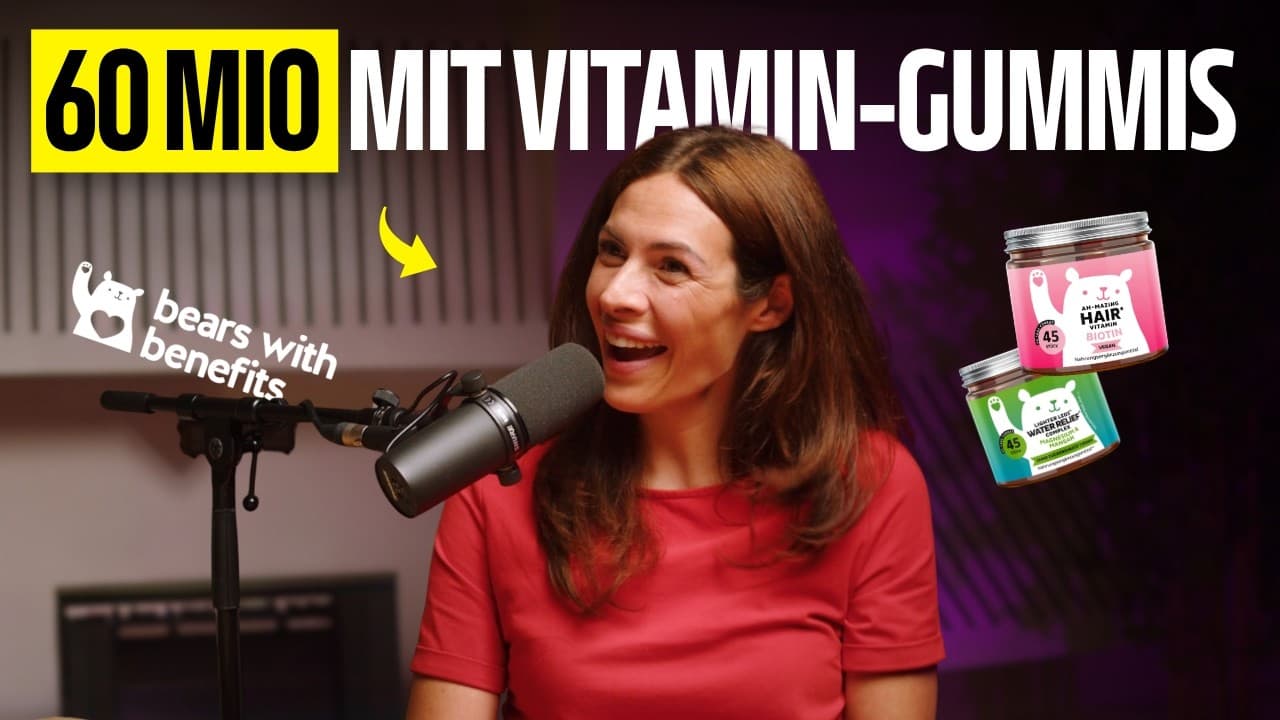
At Bears with Benefits, Marlena Hien let the Instagram community help decide on products and new markets every Friday.
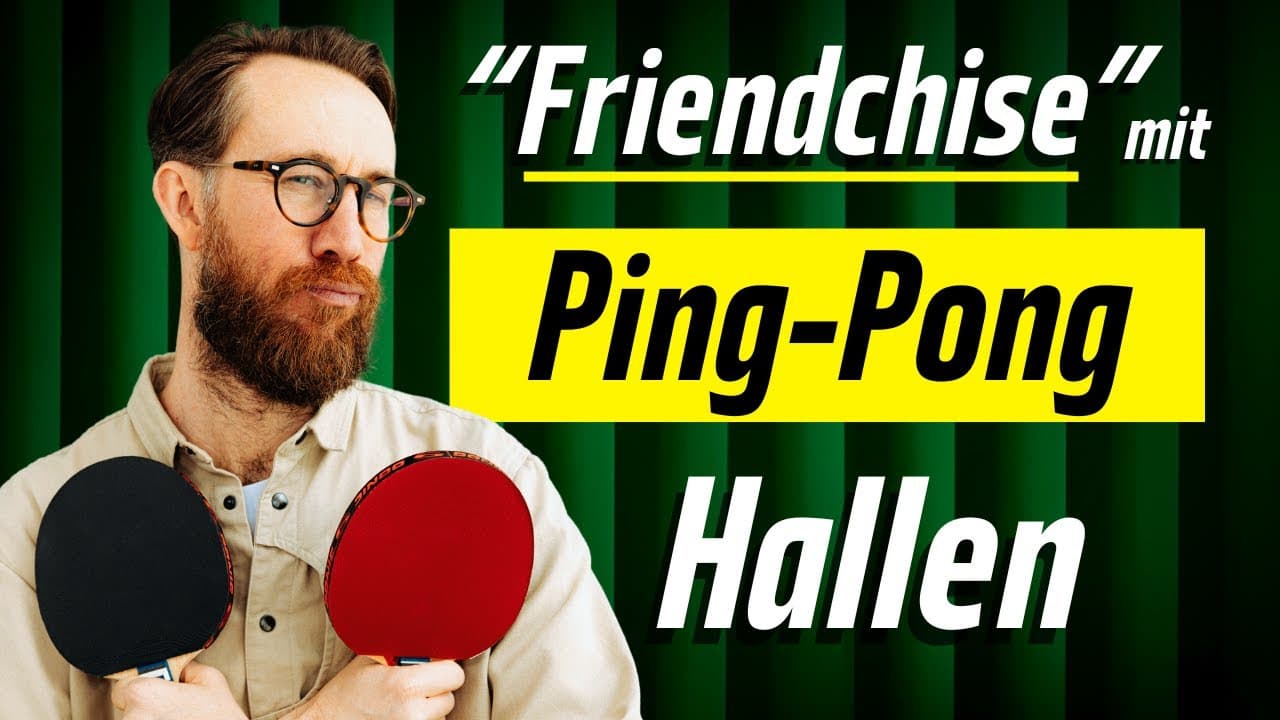
Waldemar Zeiler explains why community at Ding Dong Ping Pong needs hosts on site and cannot simply be planned with money.
What you take away from the episodes
- 1
Take your community along for the ride
Before launching gitti, Jenni Baum-Minkus shared everything on Instagram, including half-filled bottles and misprinted flyers, and followers helped with labelling. The first batch sold out in under two hours, and nine sales days brought a little more than 315,000 euros in revenue in the first year.
from: A TV record, millions in funding & the comeback - 2
The event itself is your best marketing
Around 650 people started at the first HYROX in a Hamburg exhibition hall, many of them invited, and Moritz Fürste hosted every event himself for the first three years. More important than the number, Mo says, was that it happened: afterwards there were pictures instead of just stories.
from: From Olympic gold to a global fitness revolution - 3
Build community through moments, not campaigns
Before the first LOOSH product existed, Charlotte Küppers and Sherin Maruhn ran recovery walks every Wednesday at 8 a.m., with up to 80 people at the peak, and added sauna raves in winter. Lotte's logic: whoever connects the brand with a real moment buys again.
from: The 3 marketing channels nobody talks about - 4
Recruit from your community
Hiring Minecraft developers from the regular job market did not work at GrieferGames, says Lucas Bürger, because the cultural fit was missing. All the really good people who have stayed for years came from the community and had often taken on a volunteer role first.
from: A millionaire through Minecraft: nobody knew his real name - 5
Let your community decide the products
Every Friday, Bears with Benefits held an Instagram Q&A where followers put questions and product requests into a question sticker. According to Marlena Hien, each of the first ten products came from those answers, and the founders also chose their international markets based on the community.
from: 60 million in revenue, 10 countries, one exit - 6
Community needs hosts and an invitation
For Waldemar Zeiler, community cannot be planned with money: the founders of Ding Dong Ping Pong live nearby and play there themselves, one employee looks after events, and coaches are chosen by how they treat people. Often a simple invitation like "we are playing tonight from 6 to 10" is enough, because that is what big cities lack.
from: From unicorn condoms to a ping-pong franchise - 7
Make volunteering attractive and scalable
At Viva con Agua, volunteers get their festival ticket for free in exchange for a meaningful job; everything runs through the organisation's own platform and fixed crews with people responsible for finances and activities. That is how Carolin Stüdemann and Micha Fritz coordinate 10,000 to 15,000 volunteers with just under 40 full-time positions.
from: Viva con Agua: social business, giving culture and global visions
Quotes from the episodes
„Aber irgendwo hinzugehen und zu sagen, das was anscheinend mein Lebenspurpose ist, zu verbessern, ist Nagellack, war lange Zeit super, super schwierig.““But going somewhere and saying that what is apparently my life's purpose to improve is nail polish was really, really hard for a long time.”
„Wir haben nichts neu erfunden, wir haben das Rad nicht neu erfunden, wir haben ja nicht Laufen oder Schlittenschieben erfunden.““We didn't invent anything new, we didn't reinvent the wheel, we didn't invent running or pushing a sled.”
„… was ich nicht machen würde, ist Cold Outreach zu VCs oder Angels via LinkedIn. Am besten noch mit einer KI-generierten Mail.““What I wouldn't do is cold outreach to VCs or angels via LinkedIn. Ideally with an AI-generated email on top.”
„Griefen heißt, du, du bist im Prinzip der Anti-Held. Du spielst das Spiel auf eine ganz fiese Art und Weise …““Griefing means you're basically the anti-hero. You play the game in a really nasty way.”
All 18 episodes on community building
FAQ
How do you build a community before the product is ready?
Jenni Baum-Minkus says that before launching gitti she shared every problem publicly on Instagram, followers gave tips and helped with labelling, and the first batch sold out in under two hours. Charlotte Küppers and Sherin Maruhn ran weekly recovery walks for LOOSH before the first product existed, with up to 80 people at the peak. Waldemar Zeiler tested Ding Dong Ping Pong with three tables at Markthalle Neun, and more than 400 people came on the first evening.
How can you tell whether a community is alive or just a follower count?
Janet Pawelczyk first looks at likes, comments and shares relative to followers, and says above 4 percent counts as very good; what matters most, though, is whether real conversations happen under the posts rather than just hearts and emojis. Moritz Fürste says measurability turns an event into a sport: the HYROX website already had around one million hits a month almost two years ago because people kept comparing their times.
Can you recruit employees from your own community?
According to Lucas Bürger, yes: at GrieferGames all the really good people came from the community and had often volunteered first, while hires from the regular job market failed on cultural fit. Viva con Agua, say Carolin Stüdemann and Micha Fritz, organises 10,000 to 15,000 volunteers with just under 40 full-time positions through its own platform and fixed crews. Florian Gschwandtner asked runners from the Runtastic database to translate the app and had three new languages within three weeks.
Which content formats bind a community most strongly?
Niklas Schwab orders formats as a pyramid: live at the top, then long-form such as podcasts and YouTube videos over 20 minutes, then short-form, images and text. Memes bring the most likes, he says, but streamers build the best communities, and live is by far the most expensive. Moritz Fürste bets on reach rather than a paywall at HYROX: he would rather have 150,000 people watching the World Championship race on YouTube within 24 hours than 10,000 paying fans.