
E-commerce
In these episodes, e-commerce is about unit economics and channels: what a new customer costs, where the margin comes from and which platform is selling cheap attention right now. Johannes Kliesch explains why Snocks loses 20 euros on every new customer and treats its own shop as a cost centre, Marlena Hien launched Bears with Benefits on Amazon and scaled it through retail, and Rafael Frenk took Glow25 to 130 million euros without investors by focusing on one product.
Johannes Kliesch and Marlena Hien agree that your own online shop hardly makes money anymore: the margin comes from Amazon, Zalando and retail. Dr. Vivien Karl disagrees for her stage, she does 80 percent through her own shop and has deliberately turned down drugstore offers because customer data is her most important asset right now. On new channels, Johannes Kliesch and Damian Maib point the same way: TikTok Shop is being subsidised at the moment. Dana von der Heide goes a step further and expects AI agents to shop instead of people soon.
These episodes are for you if you run an online shop or a D2C brand, want to rethink your channels, or want to know how to spot product-market fit and when the move into retail or TikTok Shop pays off.
Start with these episodes
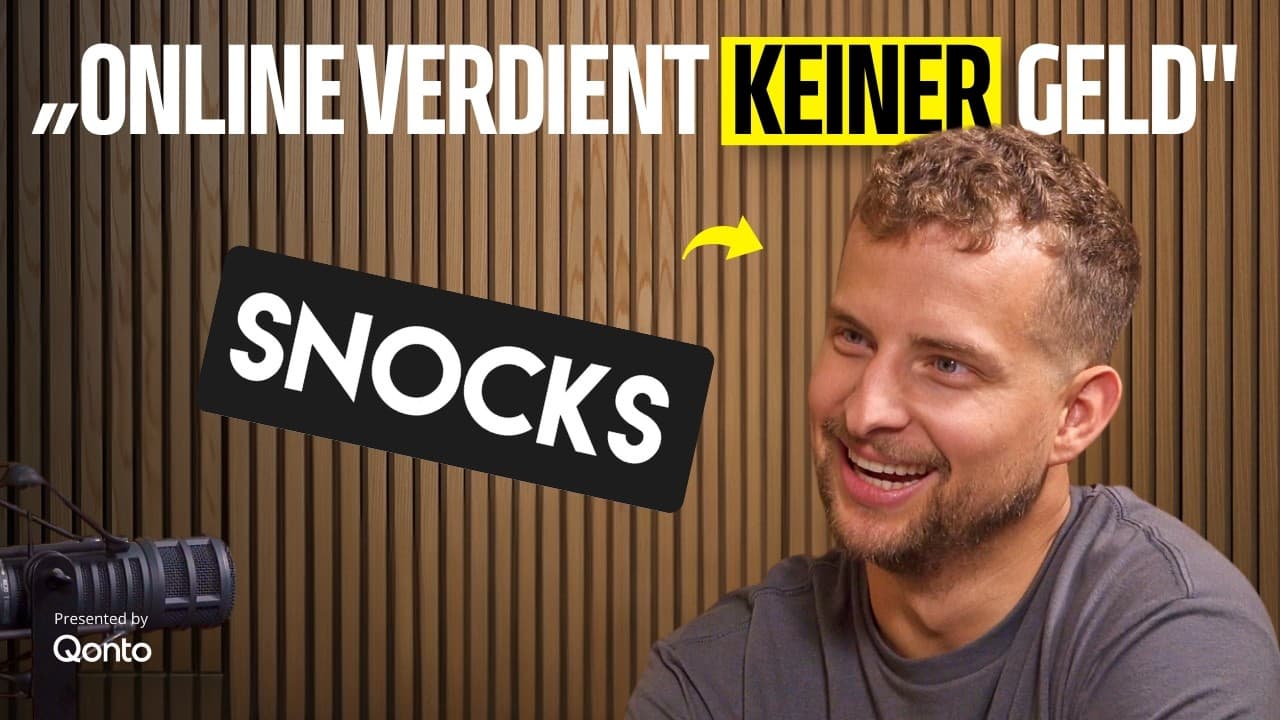
Johannes Kliesch delivers the playbook: Meta ROAS as a test for product-market fit, retention over new customers, and margin via Amazon, Zalando and retail.

Marlena Hien built her channels in the order Amazon, retail, own shop and explains why D2C doesn't automatically have the best margin.

Rafael Frenk shows how 26 products at Primal State became a collagen brand that grew profitably by focusing on a single product.
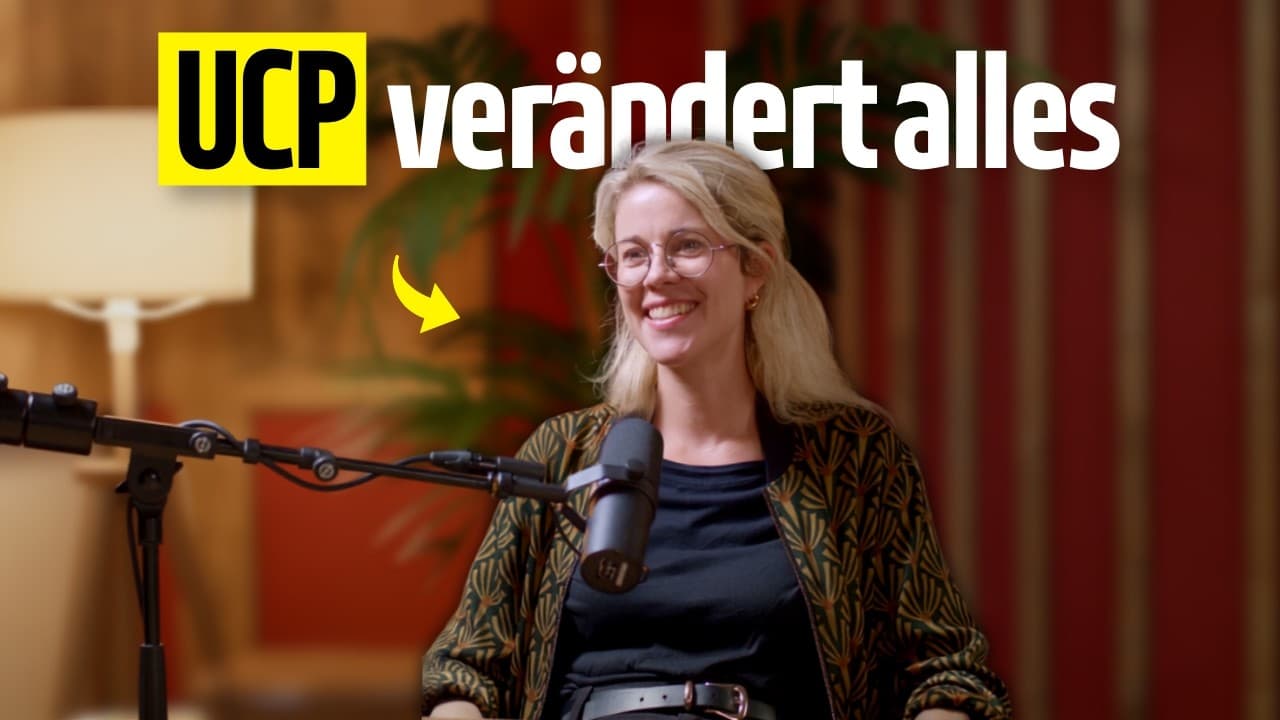
Dana von der Heide explains how Parcel Perform integrates 1,200 carriers and why retailers need to make their product data readable for AI agents.

Damian Maib builds e-commerce in China from Shanghai and explains what TikTok Shop and livestream shopping mean for Germany.

Dr. Vivien Karl makes 80 percent of revenue through her own shop, 55 percent of customers buy again, and she has turned down drugstore retail for now.
What you take away from the episodes
- 1
Read product-market fit from your Meta ROAS
According to Johannes Kliesch, an average e-commerce brand gets 1 to 1.5 euros of revenue back per euro of ad spend. If you get a ROAS of 3 to 5 with normal ads, demand exceeds supply and you should turn up the volume, because that window lasts two to three years.
from: From sock seller to Lion: 130 million with basics - 2
D2C doesn't automatically have the best margin
At Bears with Benefits, retail and Amazon bring more profit than the own shop because marketing, logistics and payment costs almost disappear there. Marlena Hien says 35 percent marketing costs make you a rock star in D2C, while 50 percent or more is realistic.
from: 60 million in revenue, 10 countries, one exit - 3
Become number one in a single category
Rafael Frenk is convinced you can make 10 million euros in e-commerce with a single repeat-purchase supplement. Glow25 would rather be number one in Germany than number five in five countries, which is why it dropped its cosmetics line again.
from: Breathwork instead of burnout: bootstrapping Glow25 to 130 million - 4
Make your product data readable for agents
With the Universal Commerce Protocol, AI agents such as Gemini or ChatGPT are meant to read shops directly and buy within set limits. Dana von der Heide advises retailers to check now how their products, delivery times and return terms show up in AI assistants.
from: The future of online retail: when AI does the shopping for you - 5
Treat a livestream like home shopping TV
According to Damian Maib, viewers usually stay in a stream for only 30 seconds to a minute and a half, so you repeat the offer every few minutes. The first 15 minutes decide how much traffic TikTok sends you afterwards, which is why he announces the stream with a preheat video and starts with cheaper products.
from: TikTok Shop, China speed and lessons learned: the future of e-commerce - 6
Get your customers to actually use the product
At Dr. Vivien Karl, 55 percent of customers buy again within twelve months because the product solves a real problem. On top of that come direct mail, WhatsApp marketing, a monthly founders' newsletter and emails explaining how to use the products.
from: From an intimate cream to a million-euro brand - 7
Sell revenue, not cost savings
Presize set out to reduce returns, but according to Leon Szeli the much bigger effect was on conversion rate, because customers buy when they are sure of their size. Presize took 10 percent of the provably incremental revenue and promised shops a guaranteed tenfold return.
from: Acquired by Meta: six months, 30 lawyers, not a word to anyone
Quotes from the episodes
„Ich bin kein so bekanntes Gesicht, aber Leute, die ein Unternehmen gründen wollen, die pitchen es mir.““I'm not that well-known a face, but people who want to start a company pitch it to me.”
„Weil wer hat denn eigentlich die Marge? Meta hat die Marge, Influencer haben die Marge““Because who actually has the margin? Meta has the margin, influencers have the margin.”
„Man kann einen Sportwagen haben, aber auf einer Schotterstrecke sein. … Und häufig ist das, was du falsch machst, dass du das richtige Vehikel auf der falschen Strecke benutzt.““You can have a sports car and be on a gravel road. And often what you're doing wrong is using the right vehicle on the wrong road.”
„… man geht ja unglaublich gerne als so junger Gründer auf diese ganzen Events mit den anderen jungen Gründern und freut sich darüber massivst. Aber da sind halt deine Kunden nicht.““As a young founder you love going to all those events with other young founders and you're thrilled about it. But your customers aren't there.”
All 12 episodes on e-commerce
FAQ
How do you recognise product-market fit in e-commerce?
Johannes Kliesch looks at Meta ROAS: the average is 1 to 1.5 euros of revenue per ad euro, and anyone getting 3 to 5 with normal or even poor ads has excess demand. Rafael Frenk found his focus through an ABC analysis: 80 percent of Primal State customers bought collagen, which became Glow25. At Presize, Leon Szeli tested a simple questionnaire against the body-scan video, and according to Leon usage rose from 0.5 to 10 percent.
Can you still make money in your own online shop?
According to Johannes Kliesch, CPMs have risen from one to around 10 euros in ten years, Snocks loses 20 euros on every new customer and treats the shop as a cost centre, with margin coming from Amazon, Zalando and retail. Marlena Hien confirms this for Bears with Benefits, though her own shop is still worth it because she can show the full range and achieve bigger baskets there. Dr. Vivien Karl, by contrast, does 80 percent through her own shop because she still needs to get to know her customers.
Is TikTok Shop worth it in Germany?
According to Johannes Kliesch, Snocks makes 200,000 to 300,000 euros a month on TikTok Shop and sells more black boxer shorts there than at About You, because TikTok is heavily subsidising the channel right now. Damian Maib says TikTok Shop has been available in Germany since 31 March 2025, usually takes around 5 percent commission, and that the 50-euro basket rule of thumb doesn't apply there; Genuine sells Essence products for 3 euros.
How much marketing spend is normal in e-commerce?
According to Johannes Kliesch, marketing accounts for around 30 percent of a D2C player's P&L. Marlena Hien says 35 percent marketing costs make you a rock star and 50 percent or more is realistic. That is why Diana zur Löwen works with sets and bundles at artem, so the basket can carry higher customer acquisition costs on Meta.