
Venture capital
These episodes look at venture capital from both sides of the table: how funds do the math, pick founders and win deals, and how founders set up rounds and choose their investors. On the investor side you hear Andre Retterath (Earlybird), Florian Heinemann (Project A) and Christian Meermann (Cherry Ventures); on the founder side Chanyu Xu (HER ONE), Mirko Novakovic (Dash0) and Marius Meiners (Peec AI).
The guests agree that VC only works for companies that can become very large: Andre Retterath shows that your company needs to grow to 10 to 15 times the size of the fund, Florian Heinemann calls the system dysfunctional for everyone outside the top 10 to 25 percent, and Chanyu Xu advises raising only when you have to. On the money itself they disagree: Retterath sees a threefold unicorn chance in large seed rounds, Heinemann warns that too much money breeds indiscipline, and Christian Meermann sees lean building with AI as a route to tens of millions in revenue, but not to a category killer. Heinemann would not build a classic VC fund today; Robin Haak has just launched one as a solo GP.
The episodes are useful if you are ahead of your first round and want to know how an investor runs the numbers on you, if you are torn between bootstrapping and VC, or if you want to work in venture yourself and understand how funds, carry and investment committees work.
Start with these episodes
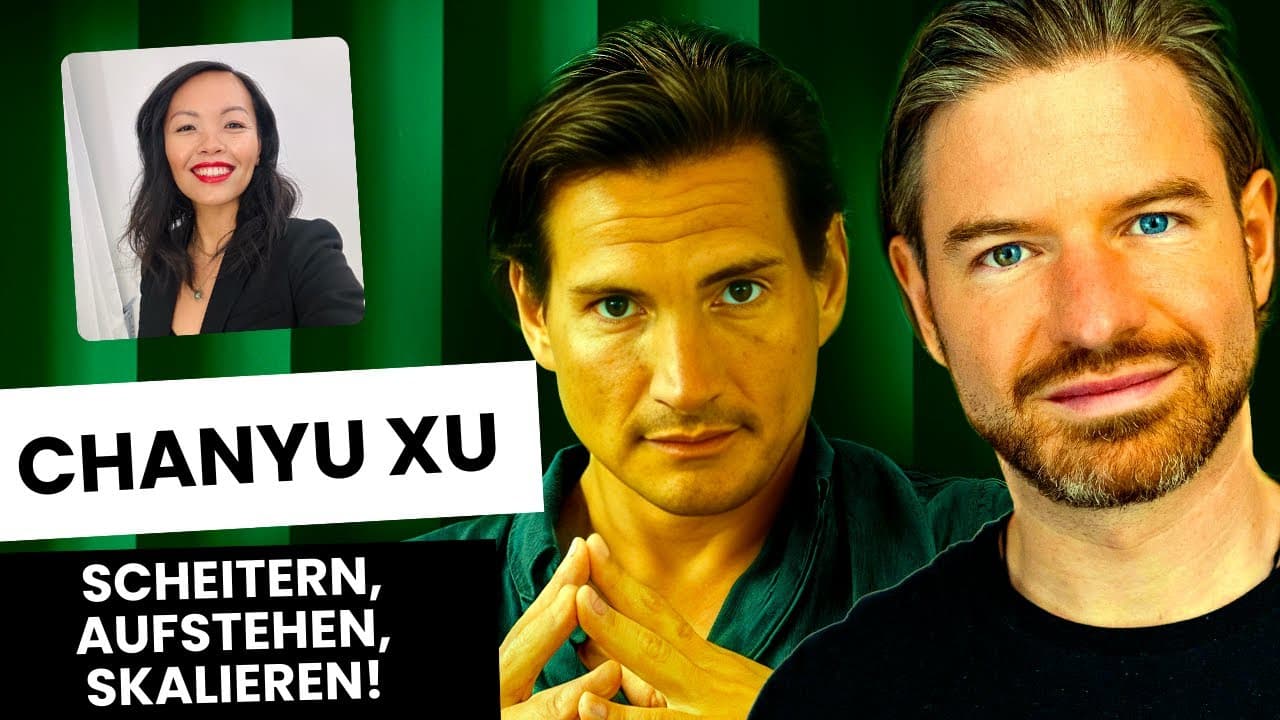
Chanyu Xu raised an eight-figure sum for HER ONE and explains why she was turned down twice as a solo female founder and still advises raising only when you have to.
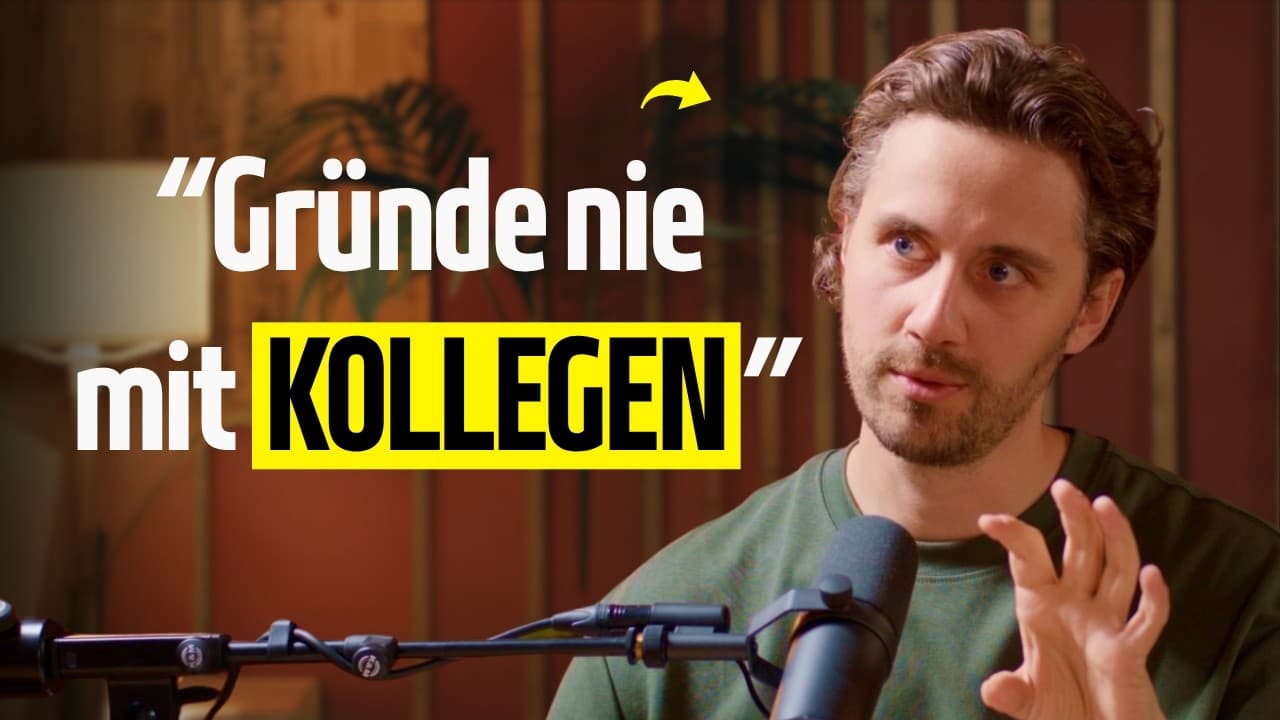
Andre Retterath lays out Earlybird's fund math and uses data to show what serial founders, vesting and large seed rounds mean for your odds.
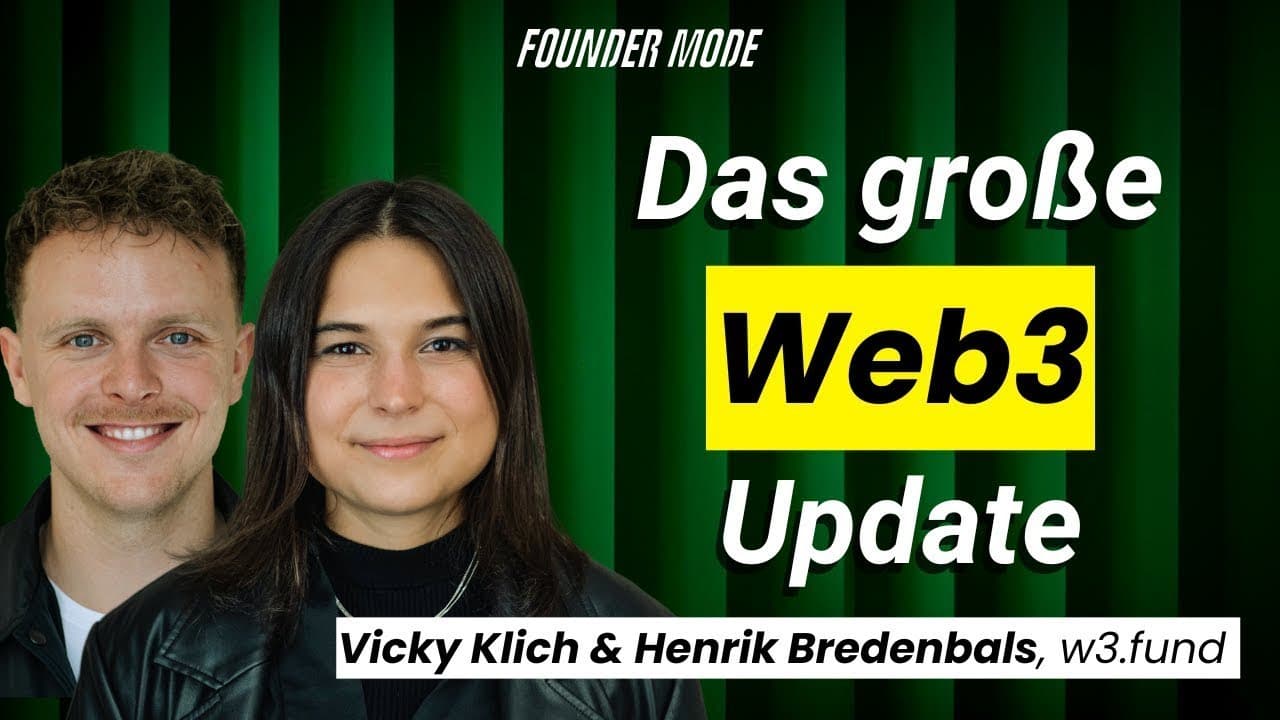
Vicky Klich and Henrik Bredenbals show how a small thesis fund invests, gets into large deals through proximity and ecosystem, and lands its first exit.
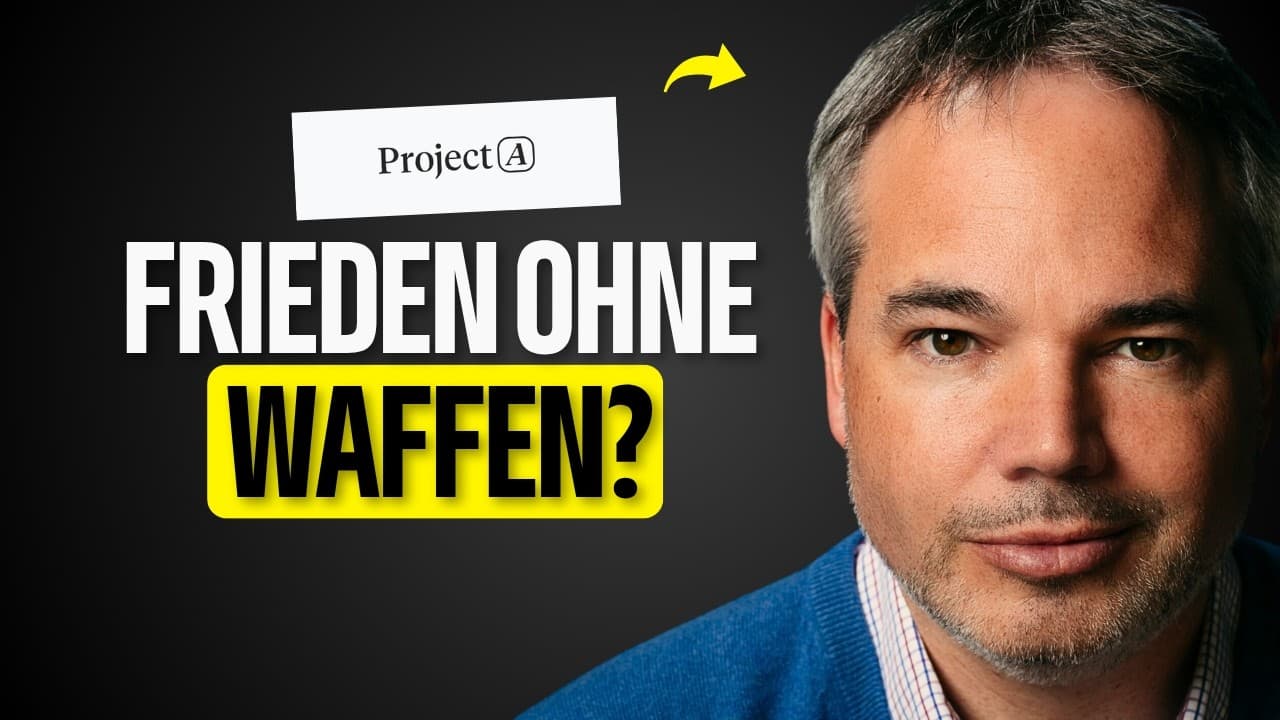
Florian Heinemann explains why a valuation is only a priced chance, what happens in pay-to-play rounds and cap table restructurings, and who VC is the wrong vehicle for.
Christian Meermann describes how Cherry Ventures selects founders and wins contested deals, and where building lean with AI hits its limit.
Mirko Novakovic raised Dash0's 110 million Series B with 29 pitches in three and a half days and explains why he picks the partner, not the brand.
What you take away from the episodes
- 1
Ask every VC about fund size first
Andre Retterath does the math: a lead investor needs investments that can return the whole fund, which for Earlybird's 360 million euro fund means an exit valuation of 4 to 5 billion. His rule of thumb: can your company realistically grow to 10 to 15 times the size of the fund? If not, this VC is not the right partner.
from: Data Driven VC: what the data says about successful founders - 2
A valuation is a priced chance
According to Florian Heinemann a startup valuation says nothing about what the company is worth right now; investors only price the chance to share in future value creation. It gets dangerous when the expectation this creates cannot be met and a liquidation preference sits ahead of founders, employees and early investors.
from: Part 2: Why valuations are nonsense and peace without weapons is naive - 3
The best VC often keeps quiet
Florian Heinemann's concept for this is path dependency: once a startup has the right investors, a sound go-to-market and traction, its path reinforces itself. The biggest way a VC destroys value is by breaking that path with interventions of his own, such as a premature US expansion.
from: “Today I wouldn't build a VC fund anymore” - 4
Pick the partner, not the brand
Mirko Novakovic will not take a VC he has not had dinner with, and he backchannels with founders from the portfolio, including the failed ones. For Dash0's Series B he did not take the highest offer but the partner his board was missing.
from: From a 500-million exit to his own unicorn in under 3 years - 5
Raise only when you have to
Chanyu Xu says every euro adds pressure, and every extra zero multiplies it. She advises keeping the majority as long as possible and also looking at non-dilutive routes such as public funding programmes.
from: From ghost kitchens to million-euro supplements: resilience and success - 6
Investors size you up outside the pitch
At pre-seed and seed it is almost all about the team, says Christian Meermann. Cherry Ventures asks about the real motivation, runs go-to-market workshops and looks for social context, for example at dinner or on a road bike trip with 30 founders.
from: The 5 startups I would found in 2026 - 7
Be honest about your personal VC risk
Thomas Bachem founded two VC-backed companies and got no meaningful return from them; sevenload left him around 50,000 euros. His bootstrapped side project lebenslauf.com earned him a solid seven figures, with no liquidation preferences and no co-shareholders.
from: From indie hacker to university founder
Quotes from the episodes
„Da sollten wir auch viel mehr die Angst davor verlieren. Also natürlich will auch nicht gerne scheitern. Niemand scheitert gerne.““We should lose much more of our fear of it. Of course nobody likes to fail. Nobody fails gladly.”
„Siehst du, dass etwa einer von drei Co-Foundern innerhalb der ersten fünf Jahre das Unternehmen verlässt?““You see that roughly one in three co-founders leaves the company within the first five years.”
„… was ein NFT ist und zwar ganz vereinfacht ausgesprochen einfach ein Dateiformat auf der Blockchain, was einfach Einzigartigkeit abbildet.““Put very simply, an NFT is just a file format on the blockchain that represents uniqueness.”
„Eine Startup-Bewertung hat ja eigentlich nichts mit dem realen Wert der Firma in diesem Moment zu tun.““A startup valuation really has nothing to do with the real value of the company at that moment.”
All 20 episodes on venture capital
FAQ
How big does my company need to become for a VC to invest?
According to Andre Retterath every investment must have the potential to return the whole fund once. For Earlybird's 360 million euro fund that means an exit valuation of 4 to 5 billion. His rule of thumb: ask every VC about fund size and check whether your company can realistically grow to 10 to 15 times that. Robin Haak says that even at pre-seed he needs to see the path to 100 million ARR.
Is venture capital worth it at all?
As an asset class, on average no, says Andre Retterath; VC only becomes attractive in the top quartile or decile of funds. For founders, Florian Heinemann sees the system geared towards the hit cases and dysfunctional for companies outside the top 10 to 25 percent. Thomas Bachem got no meaningful return from two VC-backed companies, while his bootstrapped side project earned him a solid seven figures.
What does my startup's valuation really mean?
Florian Heinemann says a startup valuation has nothing to do with the company's real value; it only prices the chance to share in future value creation. Every round also creates a liquidation preference that sits ahead of founders, employees and early investors. If the valuation does not hold, Heinemann says what follows is a pay-to-play round, a cap table restructuring or a fire sale.
How do I choose the right VC?
Mirko Novakovic says you do not work with a firm but with a partner who makes up 90 percent of your interaction, which is why he backchannels with founders from the portfolio. According to Andre Retterath serial founders look mainly at the person and at governance, while first-time founders often optimise for brand and valuation. Chanyu Xu adds that investors who turn you down because of your gender are not people you want on your cap table for a five to ten year journey.