
Fundraising
These episodes are about when to raise money from investors, how much, and on what terms. Tim Stracke explains how Chrono24 raised more than 200 million while burning less than 10 million euros, Jenni Baum-Minkus describes why the big bets behind gitti's roughly ten million euros in funding did not pay off, and Julian Teicke shares the rule he used to raise a billion for wefox.
Almost everyone agrees that you should not optimise for the highest valuation: Tim Stracke picks the investor with the strongest brand, Mirko Novakovic chose the partner his board was missing. On speed, the experiences differ. Marius Meiners gave himself seven days for Peec AI's Series A, while Tim Stracke talks to investors two to three years before a round. And while Andre Retterath shows that large seed rounds triple the chance of building a unicorn, Fabian Silberer says the 50 million sevDesk raised in 2021 was too much.
The episodes are useful if you are preparing your first pre-seed round, are in the middle of collecting rejections, or need to decide whether you need venture capital at all. Investors like Florian Heinemann and Christian Meermann explain how the other side of the table thinks.
Start with these episodes
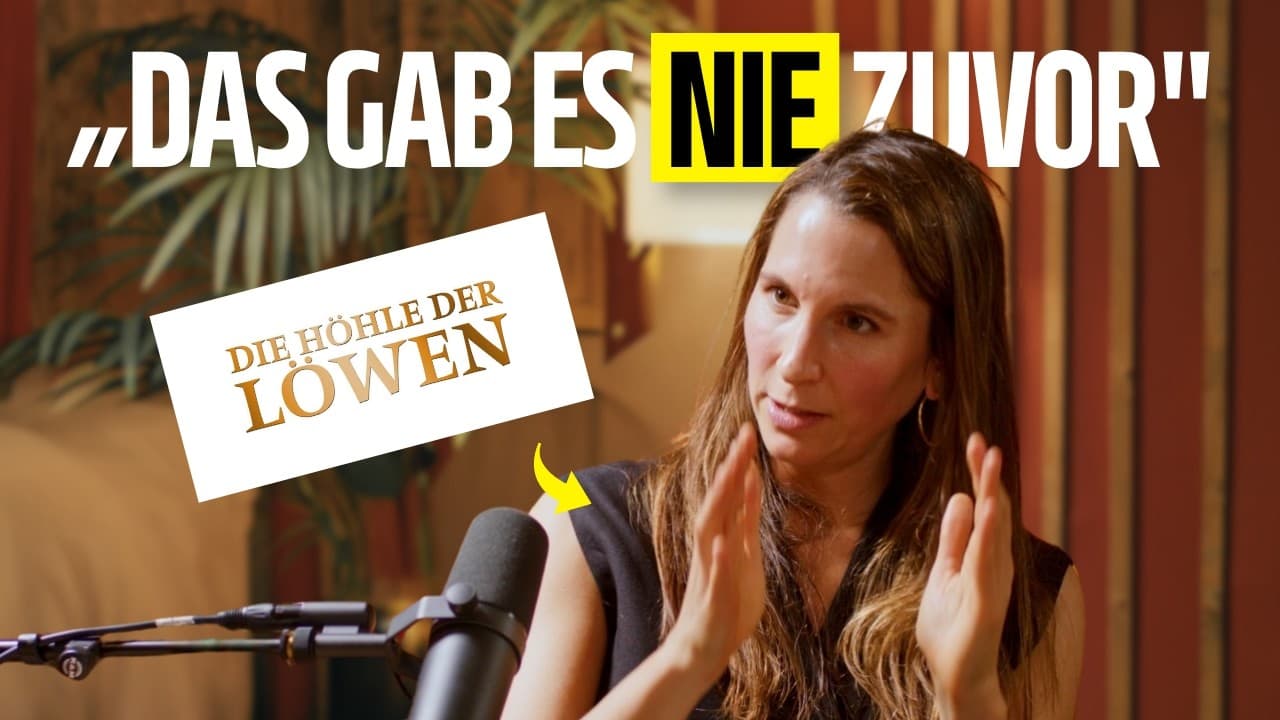
Jenni Baum-Minkus explains what became of roughly ten million euros in funding and why she would now look more closely at when to take which money.
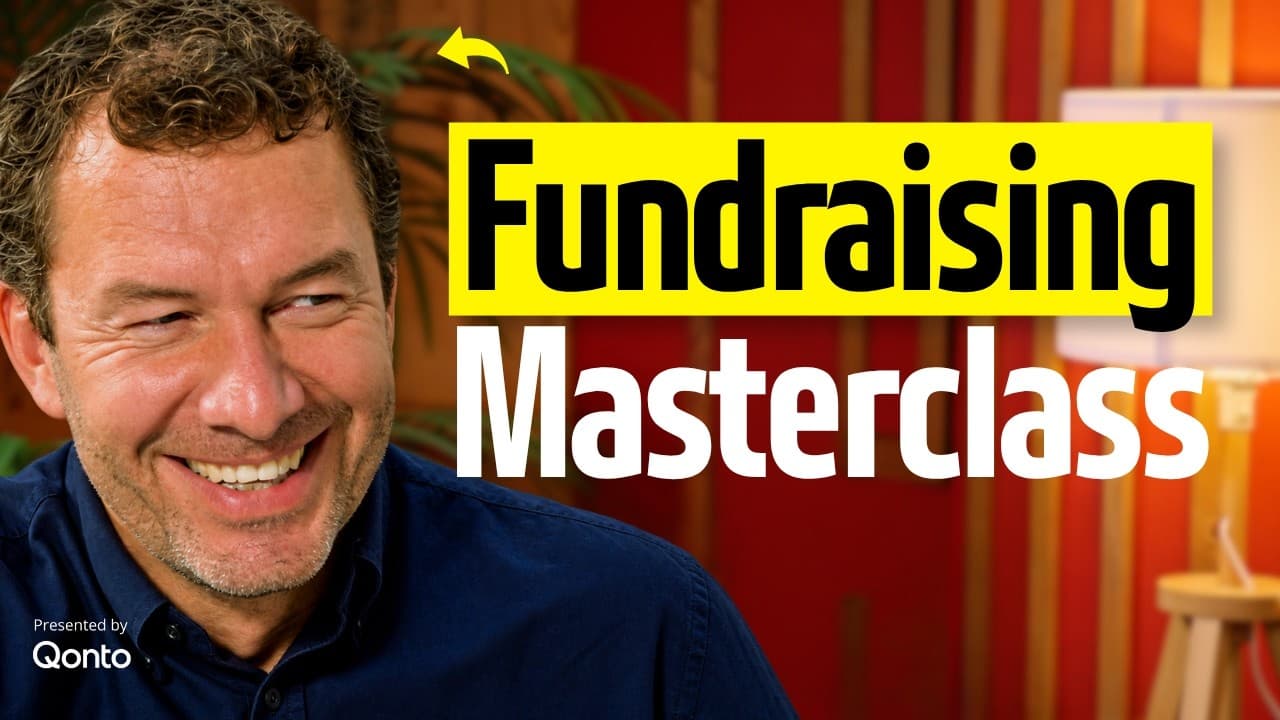
Tim Stracke lays out his fundraising playbook: more than 200 million raised, never under pressure, never at the highest valuation.

Lea-Sophie Cramer talks about 20 rejections in a row, the rule of not doubting yourself before 100 investor conversations, and how she deals with a no.
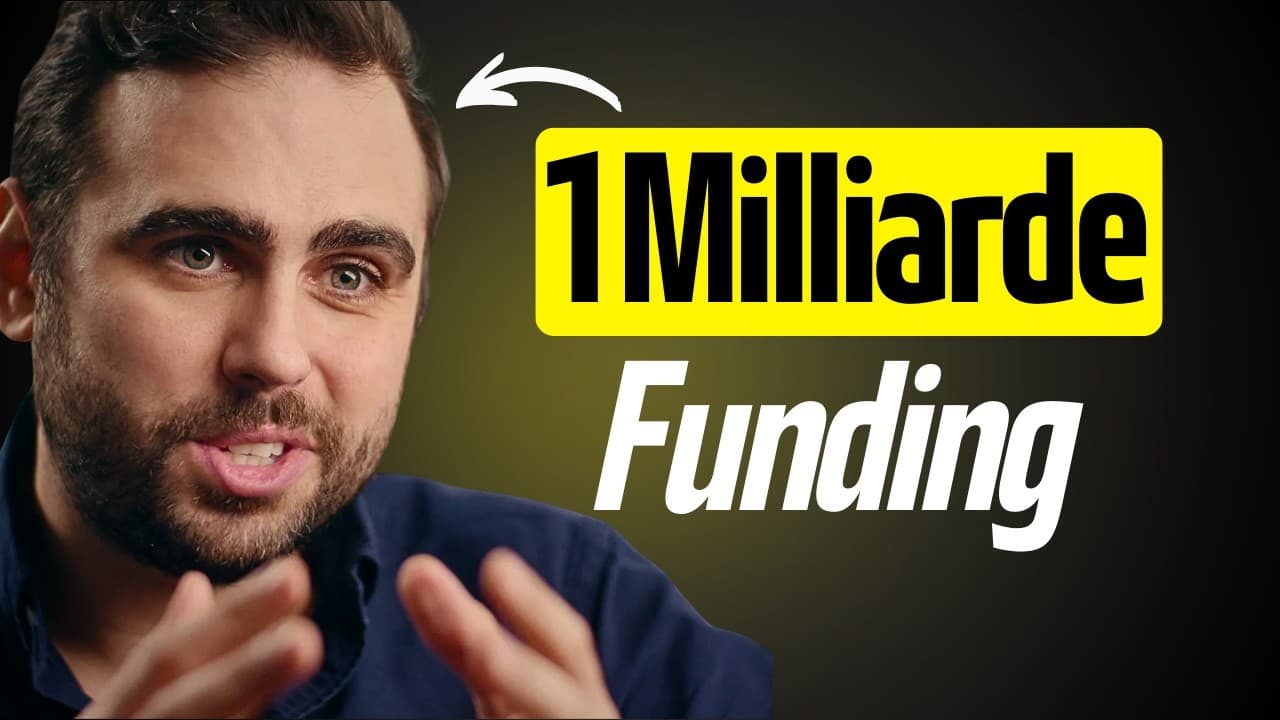
Julian Teicke explains the formula behind a billion in funding for wefox, the pitch to Masayoshi Son, and why the goal was wrong in hindsight.
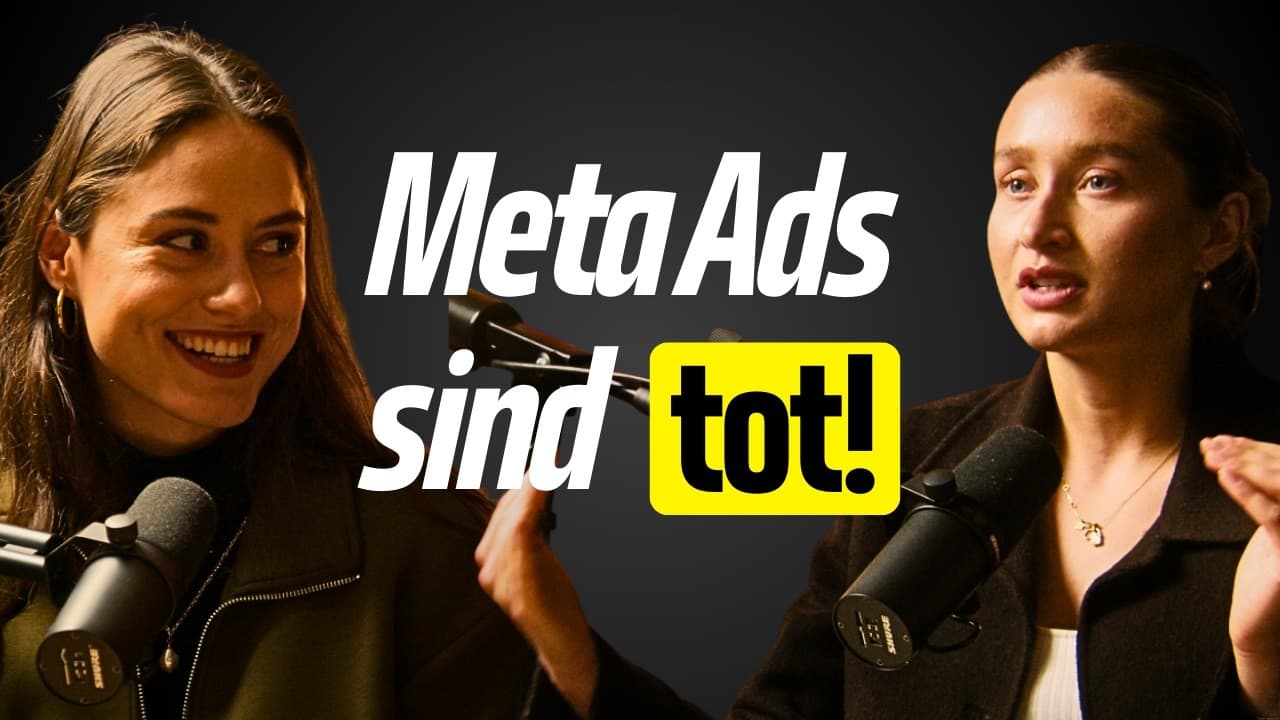
Charlotte Küppers and Sherin Maruhn closed their pre-seed round in five weeks, prepared with a CRM of around 500 investors.
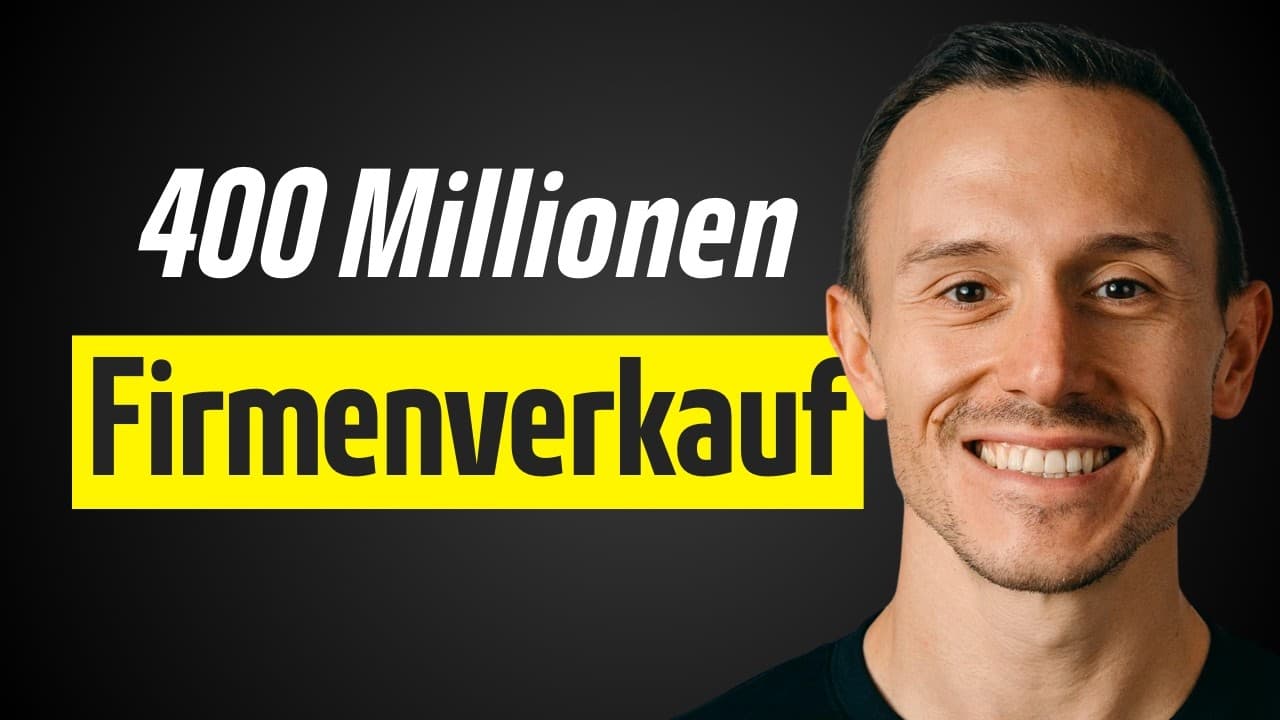
Fabian Silberer describes how sevDesk ran its fundraising like a small IPO and why 50 million in one go was too much.
What you take away from the episodes
- 1
Talk to investors years before the round
Tim Stracke met investors two to three years before a round, without a pitch deck and only with actual numbers, so they would see a film rather than a snapshot over time. His goal was soft commitments for three times what he needed.
from: How he raised 200 million - 2
A valuation is a priced chance
For Florian Heinemann, a startup valuation says nothing about the real value of the company; it only prices the chance of future growth. It becomes dangerous when that expectation cannot be met and a liquidation preference sits ahead of founders and employees.
from: Part 2: Why valuations are nonsense and peace without weapons is naive - 3
Do not doubt yourself before 100 conversations
After around 20 rejections, Lea-Sophie Cramer was told by a founder friend never to question her hypotheses before 100 conversations. Statistically, seed and Series A rounds see 18 to 19 rejections per yes, often clustered back to back.
from: Sports entrepreneur reveals the next big trend for 2027 - 4
Do not take more money than you can spend
After 12 million across three rounds, sevDesk raised 50 million in one go in 2021 and, according to Fabian Silberer, threw new people at every problem until the team had to correct hard in 2022. His premise today: the money you raise has to be enough to reach profitability.
from: From the family farm to a 400 million exit - 5
Choose the partner, not the brand
Mirko Novakovic does not take a VC he has not had dinner with, and he backchannels with founders from the portfolio, including the failed ones. For Dash0's Series B he took not the highest offer but the partner his board was missing.
from: From a 500-million exit to his own unicorn in under 3 years - 6
Prepare fundraising like a sales process
Before LOOSH's pre-seed round, Sherin Maruhn built a CRM with around 500 business angels and investors, about 200 of whom she knew. The round closed after five weeks; mass AI-generated cold emails do not work, according to her and Charlotte Küppers.
from: The 3 marketing channels nobody talks about - 7
Ask every VC about their fund size
According to Andre Retterath, a lead investor needs investments that can return the entire fund. His rule of thumb: check whether your company can realistically become 10 to 15 times the size of the fund; if not, this VC is probably not the right partner.
from: Data Driven VC: what the data says about successful founders
Quotes from the episodes
„Aber irgendwo hinzugehen und zu sagen, das was anscheinend mein Lebenspurpose ist, zu verbessern, ist Nagellack, war lange Zeit super, super schwierig.““But going somewhere and saying that what is apparently my life's purpose to improve is nail polish was really, really hard for a long time.”
„Drei Jahre will ich noch. Und das habe ich am Ende 15 Jahre lang gemacht.““Three more years, I'd say. And in the end I did that for 15 years.”
„Ich habe gegründet, weil ich selber meinen eigenen Kuchen backen wollte.““I founded companies because I wanted to bake my own cake.”
„Also es ist nicht der Druck, es ist nicht die Drohung. Sondern es ist die Connection.““It's not the pressure, it's not the threat. It's the connection.”
All 30 episodes on fundraising
FAQ
How many rejections are normal when fundraising?
According to Lea-Sophie Cramer, seed and Series A rounds statistically see 18 to 19 rejections per yes, and they often come in clusters of 20, 40 or 60 in a row. Fabian Silberer says that even with a tight process, 90 to 95 percent rejections are part of it. Chanyu Xu was turned down twice as a solo female founder because of her gender and says you do not want those investors on your cap table.
How long does a funding round take?
Anywhere from days to years. Marius Meiners gave himself seven days for Peec AI's Series A, and 20VC put down a term sheet after around 18 hours. Charlotte Küppers and Sherin Maruhn closed their pre-seed round in five weeks, Vivien Karl hers in three. Tim Stracke, on the other hand, talks to investors two to three years before a round and advises never raising under pressure.
Should I take the highest valuation?
Tim Stracke says no: Chrono24 never optimised for the highest valuation but chose the investor with the strongest brand, because that brings trust for the next rounds. For Dash0's Series B, Mirko Novakovic chose the partner his board was missing rather than the highest offer. Florian Heinemann warns that every round creates a liquidation preference that sits ahead of founders and employees if the expectation cannot be met later.
How much money should I raise?
Florian Heinemann advises forming your own independent view as a founding team of how much money you need, because every incentive at the table points towards an upround. Fabian Silberer says the 50 million sevDesk raised in 2021 was too much; the money has to be enough to reach profitability. Chanyu Xu advises raising only when you have to, because the pressure grows with every extra zero. Andre Retterath counters that startups with top-decile seed rounds are three times as likely to become unicorns.