
Bootstrapping
These episodes are about companies that grew without investors: how cash flow funds the build-up, which numbers you need to watch every day, and where your own money reaches its limits. Alisa and Frederik Jahnke started Purelei with 500 euros and are aiming for 70 million euros in revenue this year, Rafael Frenk puts Glow25 at 130 million, and Marlena Hien took Bears with Benefits to 60 million in revenue before selling.
The guests agree that bootstrapping forces you to earn money early and keep costs under control. Looking back, opinions diverge: Kati Ernst names not raising capital after two or three years as her only mistake at ooia, and Moritz Holländer would raise money for a new company despite Almedia's run rate of over a billion. Fabian Silberer, on the other hand, would go without outside money for as long as possible after the 50 million euros at sevDesk, and Christoph Jost considers bootstrapping healthy but slow.
The episodes are useful if you are currently deciding whether you need a funding round, if you are building a consumer goods or software business out of your own revenue, or if you want to know how other founders used prepayment, pricing and side businesses as financing.
Start with these episodes

Alisa and Frederik Jahnke explain how Purelei steers by contribution margin 3 without an investor and why below 5 percent EBIT is the death zone for them.

Rafael Frenk took Glow25 to 130 million without investors and tells how the team overlooked several hundred thousand euros in losses during its first hypergrowth.

Marlena Hien built Bears with Benefits from 25,000 euros in starting capital and explains why consumer goods are usually not a VC case in her view.
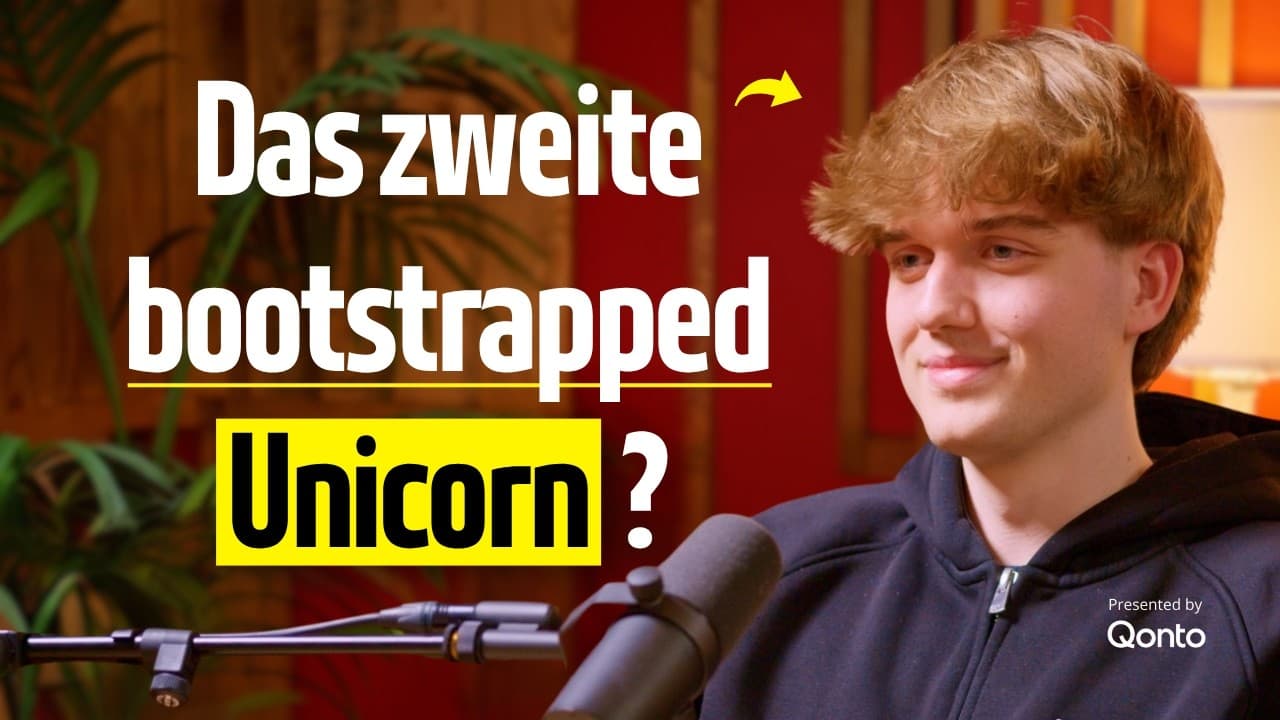
Moritz Holländer never financed Almedia with investor money, holds 90 percent and still says he would raise money for a new company.

Kati Ernst financed ooia through her customers' pre-orders and openly names the one mistake she made while bootstrapping.
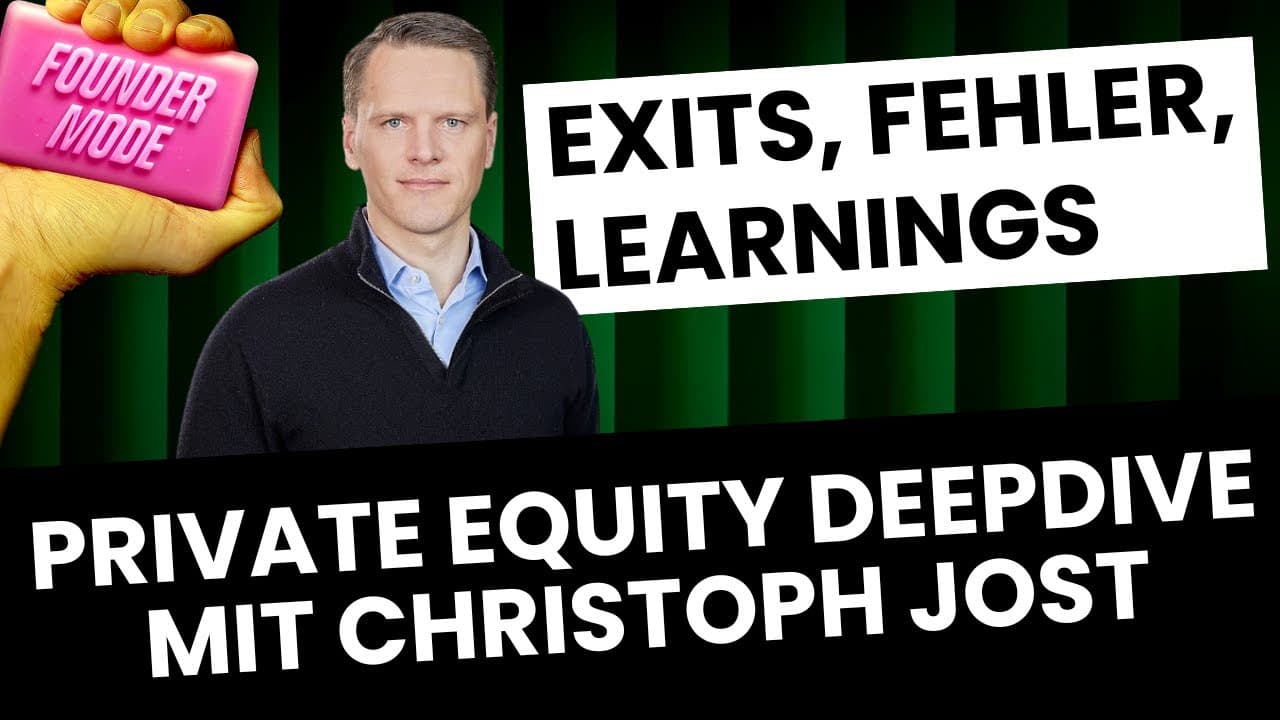
Christoph Jost burned through 1.5 million euros of VC in one year with Absolventa and today buys bootstrapped software companies with FLEX Capital.
What you take away from the episodes
- 1
Define your death zone without an investor
Because no investor can inject money, Alisa and Frederik Jahnke set zones for Purelei: below 5 percent EBIT at year end is the death zone, the target is towards 10 percent. Since 2023 the company has steered by contribution margin 3.
from: Why Purelei still belongs to its founders - 2
Let your customers pre-finance production
Because ooia was constantly sold out, Kati Ernst introduced a pre-order option: customers bought up to twelve weeks in advance and thereby financed the next production run, without investors.
from: Why my podcast is a better business than my 10-million brand - 3
Start on Amazon instead of expensive D2C
In consumer goods, Marlena Hien advises not to start with expensive D2C but to find product-market fit on Amazon. A small round at the start is fine for her, but the path has to head straight towards profitability instead of from round to round.
from: 60 million in revenue, 10 countries, one exit - 4
Use prepayment as financing
Because sevDesk was bootstrapped for a long time, pricing was like funding for Fabian Silberer: 12 and 24 month terms with prepayment made customers profitable from day one. Discounts only ran until the first renewal.
from: From the family farm to a 400 million exit - 5
Know your numbers, every day
During Glow25's first hypergrowth the team looked at revenue in the ads manager and discovered several hundred thousand euros in losses in the summer. After that, Rafael Frenk wrote net revenue, new and returning customers, marketing spend and efficiency into a KPI sheet every morning.
from: Breathwork instead of burnout: bootstrapping Glow25 to 130 million - 6
Fund the start with a side business
The Runtastic founders paid themselves nothing for two years and paid employees through an app agency that was later sold. According to Florian Gschwandtner, Runtastic was cash-flow positive after 18 months.
from: From the family farm to a 220 million exit - 7
Bootstrapping is healthy but slow
Christoph Jost says bootstrapped companies have a healthy structure and a good product, but take years to decades. If you start every company that way, you only get a few attempts in your career.
from: Private equity, bootstrapping and million-euro exits: a deep dive
Quotes from the episodes
„… selbst nach zehn Jahren, ich hänge so an dieser Vision, ich stehe da so dahinter, hinter allem, was wir tun, und das wird jetzt 100.““Even after ten years, I'm so attached to this vision, I stand behind it, behind everything we do, and this is going to turn 100.”
„Man kann einen Sportwagen haben, aber auf einer Schotterstrecke sein. … Und häufig ist das, was du falsch machst, dass du das richtige Vehikel auf der falschen Strecke benutzt.““You can have a sports car and be on a gravel road. And often what you're doing wrong is using the right vehicle on the wrong road.”
„Weil wer hat denn eigentlich die Marge? Meta hat die Marge, Influencer haben die Marge““Because who actually has the margin? Meta has the margin, influencers have the margin.”
„Ich habe gemerkt, dass am Ende des Tages, wenn man sich auf eine Sache fokussiert, wird man die auch schaffen und man kommt da durch.““I realized that in the end, if you focus on one thing, you'll manage it and you'll get through.”
All 22 episodes on bootstrapping
FAQ
How do you finance a startup without investors?
At ooia, Kati Ernst let customers pre-order up to twelve weeks ahead and used that to pay for the next production run. Fabian Silberer says that at sevDesk, 12 and 24 month terms with prepayment were the customers' way of financing the company. According to Florian Gschwandtner, the Runtastic founders paid their employees through an app agency, and Marlena Hien used a Corona KfW loan and revenue-based financing, among other things, at Bears with Benefits.
Bootstrapping or venture capital: which is better?
According to the guests, it depends on the business. Christoph Jost considers bootstrapping healthy but slow because it takes years to decades. Kati Ernst advises starting with bootstrapping, because every successful year strengthens your position with investors, and then raising capital when the market consolidates. Fabian Silberer, after the 50 million euros at sevDesk that were too much, would go without outside money for as long as possible.
How big can a bootstrapped company get?
Moritz Holländer says Almedia had 320 million in revenue last year and is now at a run rate of over a billion, without ever having had an investor. Rafael Frenk puts Glow25 at 130 million this year, and Alisa Jahnke names a revenue target of 70 million euros for Purelei. According to Marlena Hien, Bears with Benefits reached 60 million in revenue without VC.
Which metrics do you need to watch when bootstrapping?
Frederik Jahnke describes a death zone for Purelei below 5 percent EBIT at year end, with the target towards 10 percent, steered by contribution margin 3. At Glow25, Rafael Frenk writes net revenue, new and returning customers, marketing spend and efficiency into a KPI sheet every morning. Fabian Silberer names CAC payback, looked at on the cash side, as the most important metric.