
Creator economy
In these episodes, the creator economy means building reach, turning it into brand deals, agencies, apps or your own products, and not becoming dependent on a single platform. Niklas Schwab turned anonymous business memes into a media company with almost one million euros in revenue under Hedgefonds Henning, Janet Pawelczyk sold her creator agency MOONGENCY to MYTY after two and a half years, and Sarah Emmerich places business creators with B2B companies like HubSpot through Emmerich Relations.
The guests agree that follower counts say little: Janet Pawelczyk looks at engagement and real conversations in the comments, Sarah Emmerich at positioning and audience, Tim Bengel at who is following. On money their paths diverge. Pip and Philipp of the Doppelgänger podcast live off advertising and deliberately went without it for two years, while Niklas Schwab calls advertising the easiest but worst form of monetisation and wants to build something of his own on top of his reach. On equity for creators, Diana zur Löwen is sceptical, while Janet Pawelczyk thinks a few creators with a real stake make sense.
These episodes are useful for creators who want to turn reach into a business, for founders who work with creators or are asked to give up equity for it, and for anyone starting from zero on TikTok, Instagram or LinkedIn today.
Start with these episodes
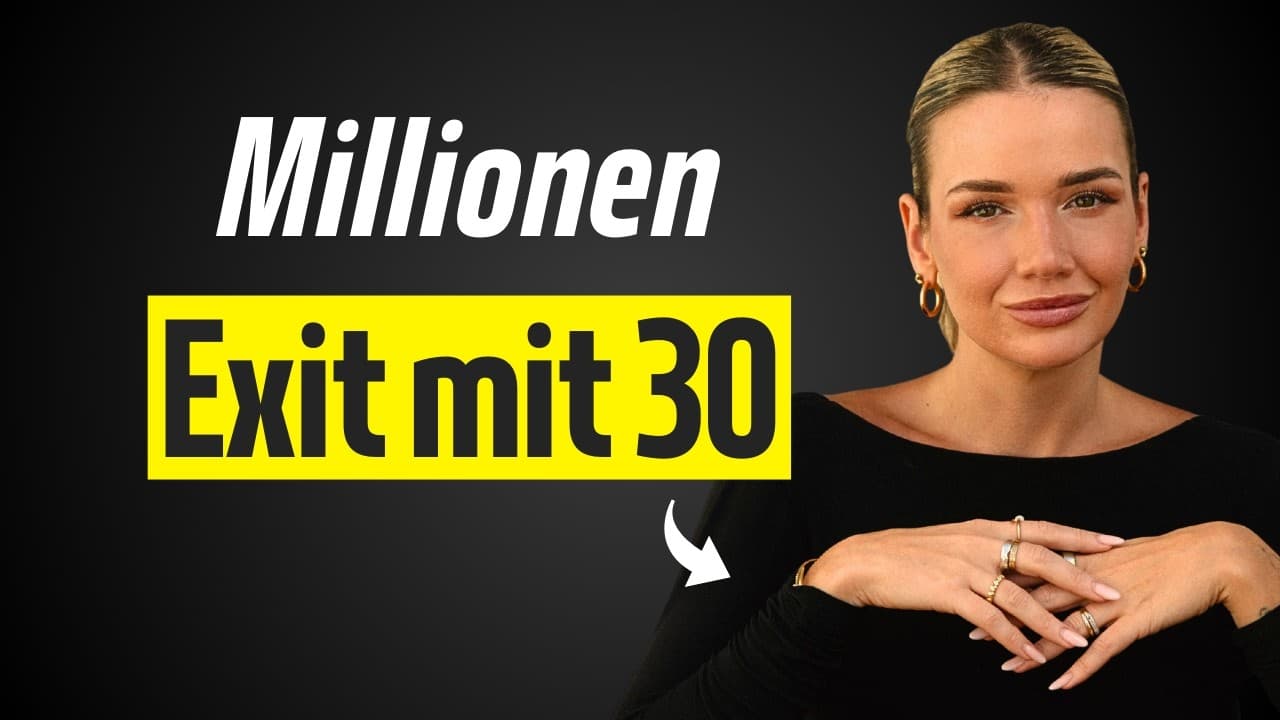
Janet Pawelczyk explains how a commission-based creator agency works, how she spots potential and how the exit to MYTY was structured.
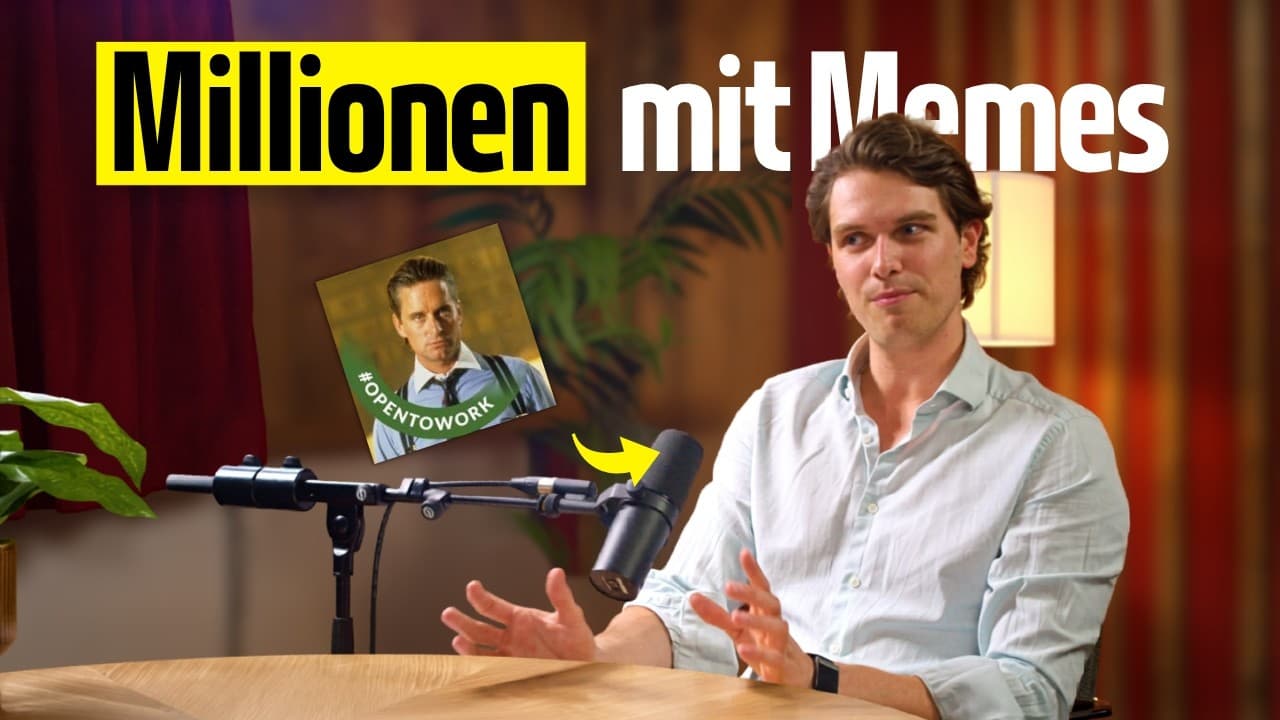
Niklas Schwab shows how he turns memes into branding campaigns, a print magazine and a production company, and why advertising is only the beginning for him.
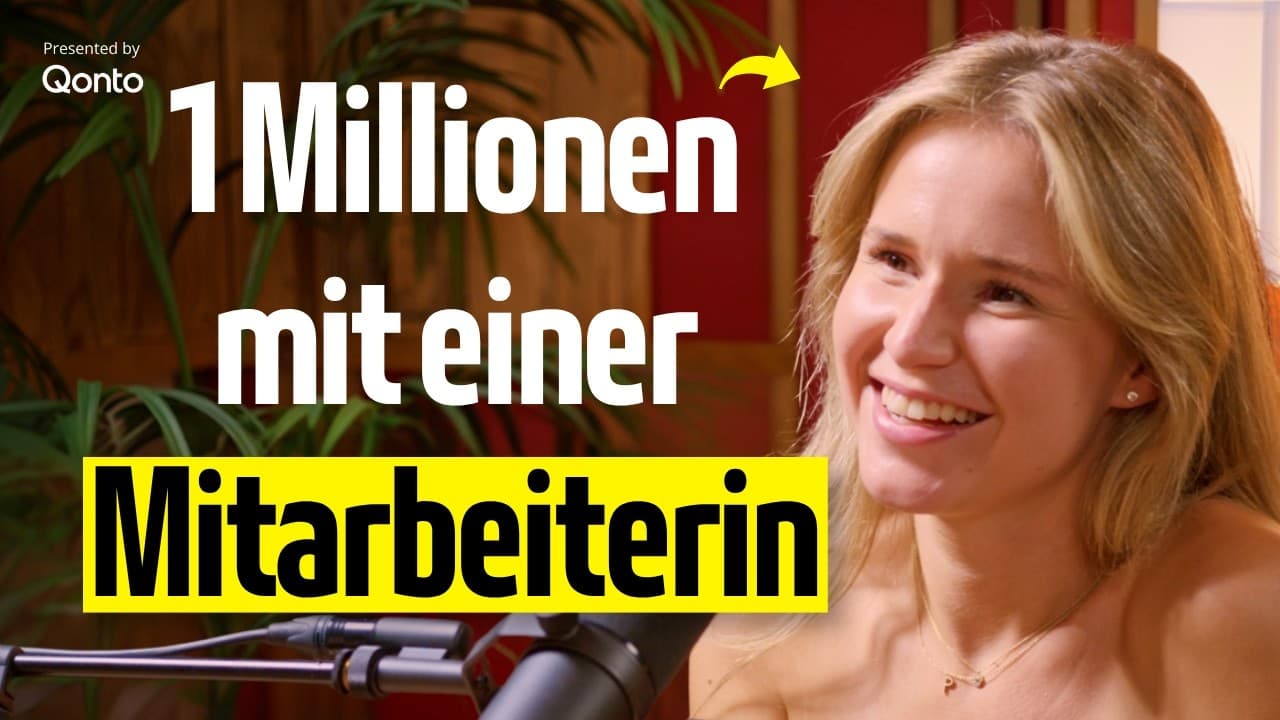
Sarah Emmerich makes one million in revenue with one employee by placing business creators with B2B tech companies and running the Business Creator Summit.
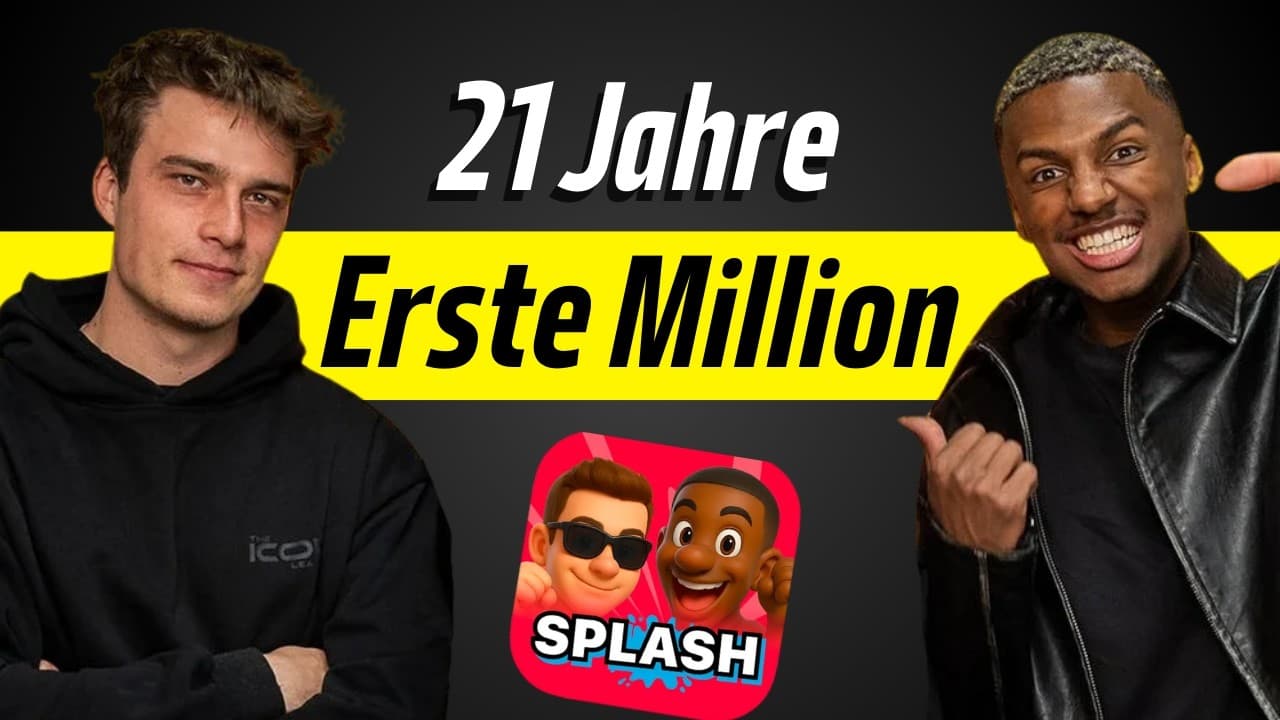
Jeremy Okoth and Hannes Kessel turned TikTok pranks into a personal brand and then into the party game app Splash with around 10 million users.
Lili Vogelsang became a creator in around two months with three TikToks a day and used that to fund first a brand and then the app fredie.
Philipp Klöckner and Philipp Glöckler open the books of their podcast: 40,000 to 50,000 listeners per episode, a team of three and ads only after two years.
What you take away from the episodes
- 1
Treat reach as an asset, not ad space
For Niklas Schwab, advertising is the easiest but worst form of monetisation, because you only get the marketing share while the partner keeps the margin. So he is building reach and infrastructure now and wants to build something of his own on top of it in three to five years, ideally software.
from: How I turn memes into a million-euro business - 2
Look at conversations, not followers
Janet Pawelczyk first checks likes, comments and shares relative to followers; above 4 percent counts as very good. What matters to her is whether real conversations develop under the posts and whether the creator has a mission.
from: A seven-figure exit at 30 and why a million followers can be worthless - 3
Copy first, then find your own format
Jeremy Okoth advises trying proven formats from the US in Germany one after another, scaling the one that works and testing more in parallel. With four or five formats you become a personality, and only then do personal videos come in.
from: 21-year-old TikTok millionaires reveal how to succeed on social media - 4
Pick creators by audience, not brand fit
According to Sarah Emmerich, the most common mistake in creator marketing is looking for a creator who fits the brand instead of one whose audience fits the company. Very few of the personal brands she works with have more than 100,000 followers.
from: How I would build a personal brand today - 5
Stay small and give the key person equity
The Doppelgänger podcast team is three people; editor Jan gets 10 percent of revenue, and the first 50,000 euros went entirely to him. Philipp Klöckner says a bigger team doesn't make something more fun.
from: The incredible success story of the Doppelgänger podcast - 6
A series format with a clear promise
Lili Vogelsang's breakthrough came with a spontaneous video in which she promised to ask one question every day from then on; the next morning she had 40,000 new followers. Her lesson: tell people who you are and what they get, then deliver it reliably.
from: Why Gen Z is the loneliest generation - 7
Don't give creators too much equity
Diana zur Löwen often sees startups that aren't doing well offering creators equity so they will push. She advises against paying for reach with large percentages, especially since many creators prefer cash over shares anyway.
from: From teen influencer to investor
Quotes from the episodes
„Und ich bin der festen Überzeugung, dass die Dinge, die einem Energie geben, auch die Dinge sind, in denen man gut ist.““And I'm firmly convinced that the things that give you energy are also the things you're good at.”
„Du kannst Kreativität nicht gut systematisieren.““You can't really systematise creativity.”
„Also mein Kapital ist halt meine Personal Brand und mein Netzwerk. Dadurch habe ich halt viele Möglichkeiten.““My capital is my personal brand and my network. That's what gives me so many opportunities.”
„Ich sage, wenn man das eins zu eins befolgen würde, würde man es actually schaffen.““I'd say if you followed this one to one, you'd actually make it.”
All 12 episodes on creator economy
FAQ
How do creators make money?
For Diana zur Löwen, brand deals make up the biggest share, mostly via Instagram stories, plus platform payouts, affiliate links, speaking and her own products such as fragrances for dm and Rossmann. Niklas Schwab does 70 to 80 percent of his deals as branding campaigns and generated more than 400,000 euros in revenue for Chronext through his code alone. Pip and Philipp fund the Doppelgänger podcast purely through ads and, according to Philipp Glöckler, expect seven-figure revenue next year.
How many followers do you need to earn money as a creator?
Fewer than many think. According to Sarah Emmerich, very few of the personal brands she works with have more than 100,000 followers, because in B2B it's leads and deals that count. Janet Pawelczyk looks at engagement rate rather than followers; above 4 percent counts as very good. Diana zur Löwen says TikTok pays for videos over one minute from 10,000 followers.
Should I give creators equity instead of money?
Diana zur Löwen advises against paying for reach with large percentages, because the company is stuck with the shares even if the creator stops performing, and many creators prefer cash anyway. For media for equity, Janet Pawelczyk would not spread shares across many creators but pick one person with a real stake who is an expert in the topic, and put their deliverables in the contract.
How do you start as a creator from zero today?
Diana zur Löwen recommends a clear core niche, everyday topics, TikTok for practice and Instagram for earning. Lili Vogelsang uploaded three videos a day and analysed which elements worked. Céline Flores Willers says you need at least three of your own LinkedIn posts a week and should spend most of your time on the visual and the first line.