
Positioning
These episodes are about what a company should stand for and what it deliberately leaves out: which audience, which category, which price. Rafael Frenk (Glow25) turned 26 products into one and would rather be number one in Germany than number five in five countries, Jenni Baum-Minkus (gitti) brought her brand back to its core of nails after expanding too broadly, and Markus Baulig explains why specialists sell at high prices.
The guests agree that spreading too thin is the most common mistake: Matthias Aumann advises doing only one thing, Markus Baulig cites time management for dentists instead of for everyone, and Max Wittrock (zeroLabs) says whoever wants to please everyone pleases no one. On dealing with competition, opinions diverge. Fedor Holz advises picking the table with less competition, while Mirko Novakovic (Dash0) deliberately enters the red ocean against Datadog and Splunk because nobody there argues about budgets. Jonas Andrulis (Aleph Alpha) positioned his company against the race for the biggest LLM and says himself that he took a beating for it because he did not manage expectations.
The episodes are useful if you are deciding which product or audience to cut, whether your brand needs to be sharper, or how to take on much larger competitors.
Start with these episodes
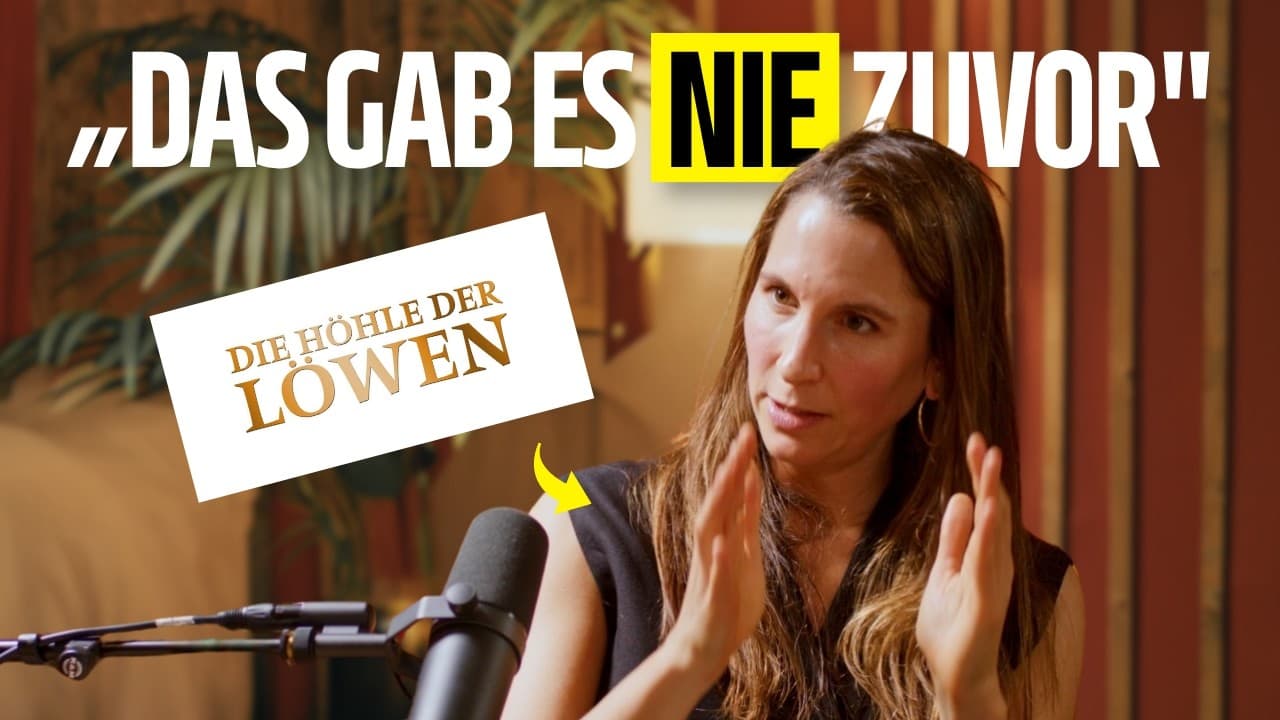
Jenni Baum-Minkus tells how lipstick, make-up and skincare diluted gitti's positioning and why she radically brought the brand back to its core of nails.
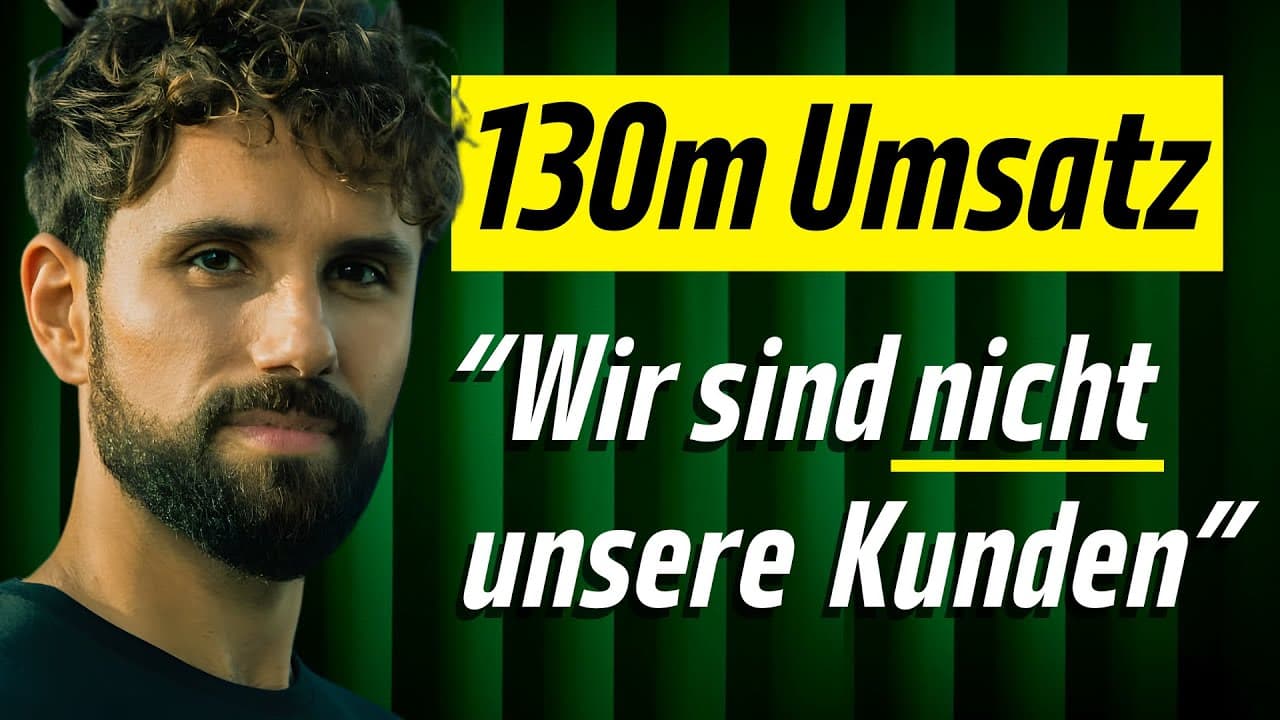
Rafael Frenk focused Primal State's 26 products down to collagen, turned it into Glow25 and cut the cosmetics line again to be number one in a single category.
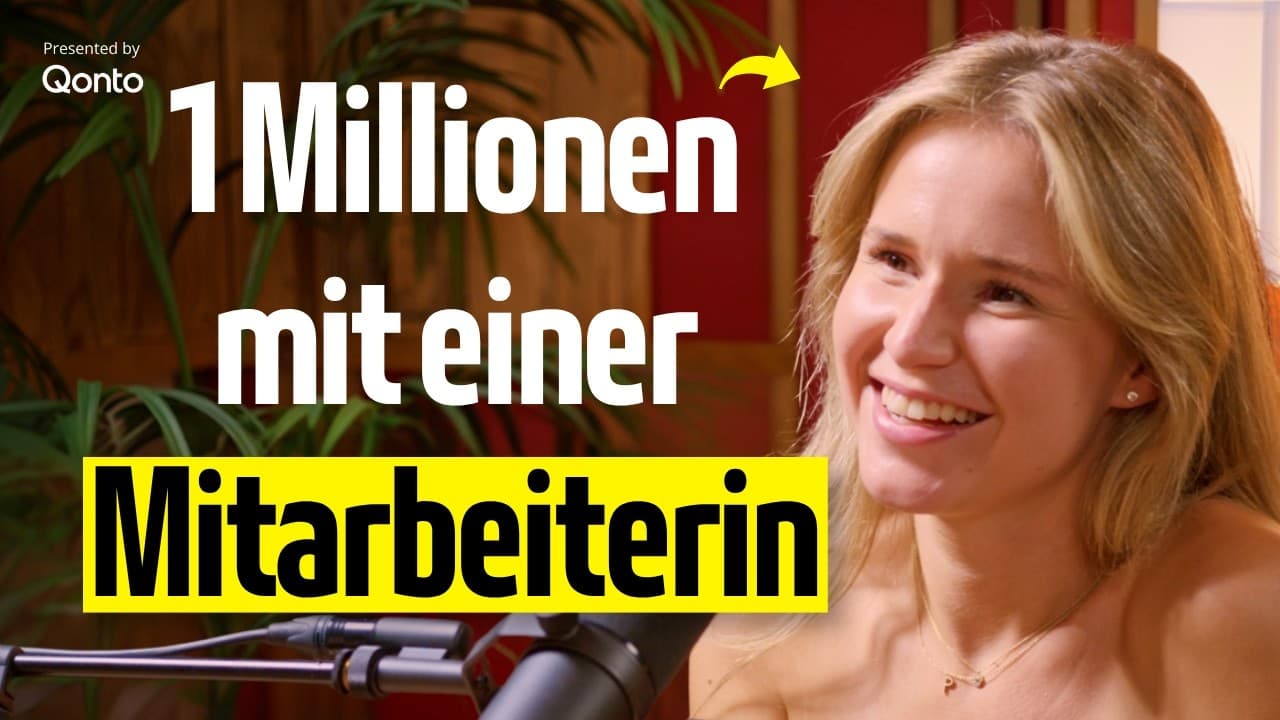
Sarah Emmerich deliberately kept her agency small and specialised in B2B tech, with personal brand and network as leverage instead of team or capital.
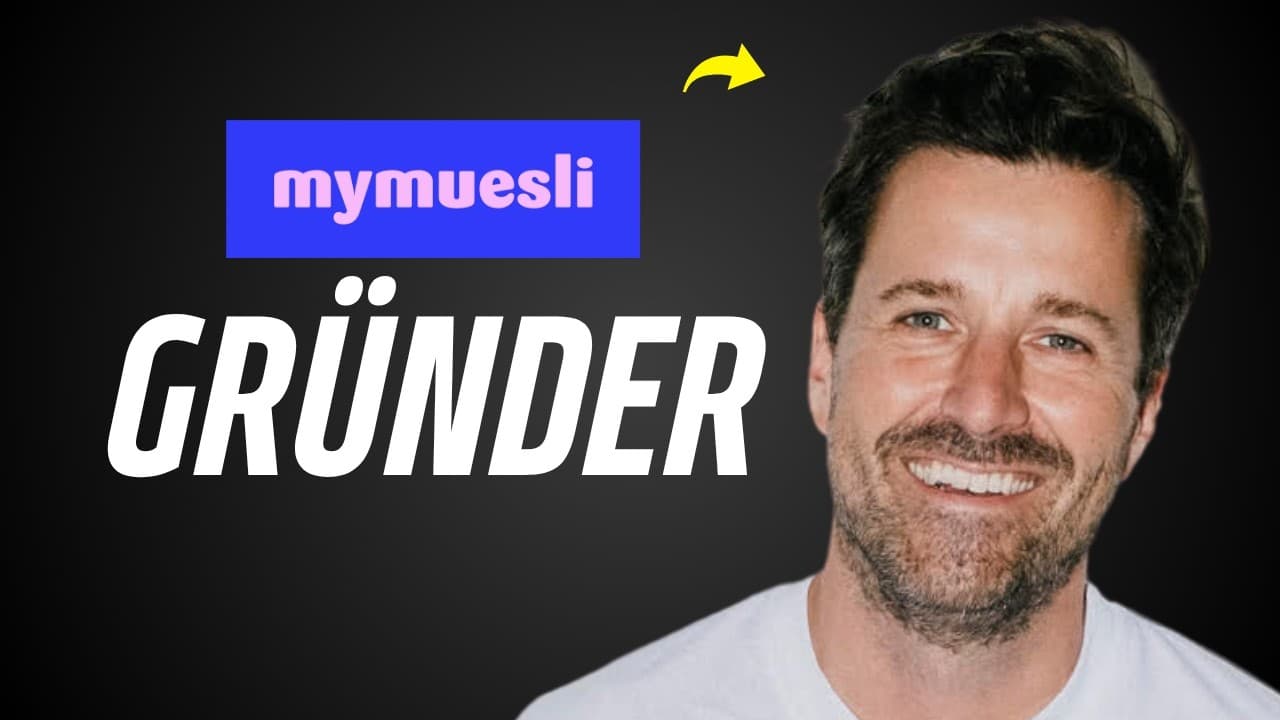
Max Wittrock explains why a brand needs an edge: zeroLabs is a pink 0.0 percent beer in a country with around 1,500 breweries.
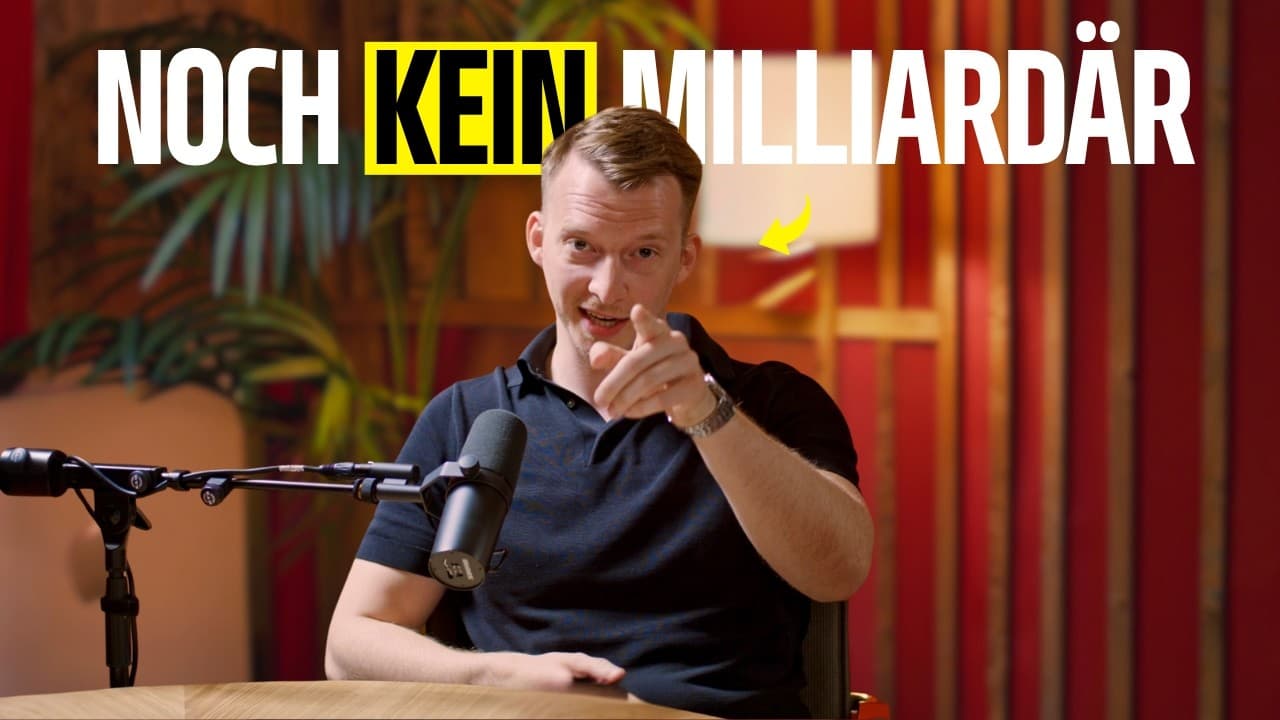
Markus Baulig shows why spreading too thin is the biggest positioning mistake and how a no-brainer offer is built from a clear outcome and a solvent audience.
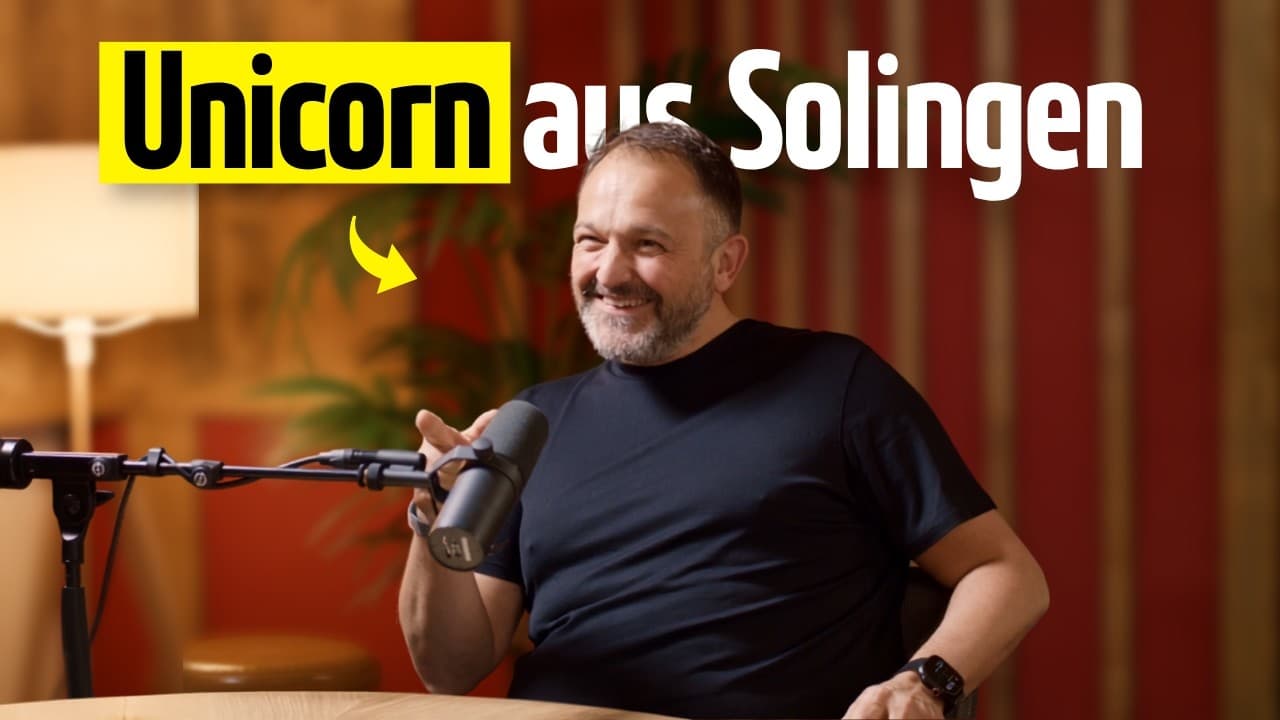
Mirko Novakovic positions Dash0 in the red ocean against Datadog, Dynatrace and Splunk through the open standard OpenTelemetry, but explicitly not through price.
What you take away from the episodes
- 1
Become number one in a single category
Rafael Frenk is convinced that in e-commerce you can make 10 million euros with a single repeat-purchase supplement. Glow25 would rather be number one in Germany than number five in five countries, and the premium product is simply called Kollagen Intensiv instead of Peptide Pro Deluxe.
from: Breathwork instead of burnout: bootstrapping Glow25 to 130 million - 2
A sharp positioning cannot be stretched
To customers, gitti was healthy nail polish, not a natural beauty brand, says Jenni Baum-Minkus. Lipstick, make-up and skincare brought new labs and enormous complexity, and the cost per new customer exploded; she stopped skincare in summer 2025.
from: A TV record, millions in funding & the comeback - 3
No bazaar: specialists sell at high prices
If you injure your hand you go to a hand surgeon, not a general practitioner, says Markus Baulig. As a time management coach you are one of thousands; time management for dentists is 90 percent the same work, but you can charge perhaps 1,000 euros an hour instead of 100.
from: Company stakes, haters as customers and the road to a billion - 4
Do not be vanilla ice cream, your brand needs an edge
Max Wittrock got the line from a founder of the agency Heimat: you must not be vanilla ice cream, you need an edge. At zeroLabs the edge is the product itself, a pink alcohol-free beer in a country with around 1,500 breweries; the fierce comments under the ads are even good for the algorithm.
from: Why would you leave an eight-figure company after 12 years? - 5
Do one thing and cut the rest
A janitorial service that does everything cannot scale, says Matthias Aumann. His three questions: what earns you the most money, what comes easily to you and where is there a large audience? Two electricians from Hamburg switched to renting out construction power boxes this way and grew strongly.
from: Why 8 out of 10 German founders fail within 5 years - 6
Enter the red ocean, but not on price
A market with Datadog, Dynatrace and Splunk has one advantage, says Mirko Novakovic: anyone already spending two million on Datadog needs no budget discussion, and 1 percent of 40 billion is 400 million. Dash0 positions itself through OpenTelemetry and transparent pricing, but being cheaper is not a winning strategy.
from: From a 500-million exit to his own unicorn in under 3 years - 7
Pick your table before you play
At the poker table, says Fedor Holz, the most important decision is which table you sit at and who you play against. For founders that is market choice: take on billion-dollar AI labs or enter a market with less competition, a topic he considers hugely underrated.
from: What entrepreneurs can learn from a poker world champion
Quotes from the episodes
„Aber irgendwo hinzugehen und zu sagen, das was anscheinend mein Lebenspurpose ist, zu verbessern, ist Nagellack, war lange Zeit super, super schwierig.““But going somewhere and saying that what is apparently my life's purpose to improve is nail polish was really, really hard for a long time.”
„Man kann einen Sportwagen haben, aber auf einer Schotterstrecke sein. … Und häufig ist das, was du falsch machst, dass du das richtige Vehikel auf der falschen Strecke benutzt.““You can have a sports car and be on a gravel road. And often what you're doing wrong is using the right vehicle on the wrong road.”
„Also mein Kapital ist halt meine Personal Brand und mein Netzwerk. Dadurch habe ich halt viele Möglichkeiten.““My capital is my personal brand and my network. That's what gives me so many opportunities.”
„Bewerte nie eine Entscheidung mit Informationen, die du später bekommen hast.““Never judge a decision with information you only received later.”
All 13 episodes on positioning
FAQ
What is a good positioning for a startup?
According to Markus Baulig, a no-brainer offer sells a clear outcome to a solvent audience, and specialists can charge much more for it than generalists. Matthias Aumann asks three questions: what earns you the most money, what comes easily to you and where is there a large audience? Rafael Frenk adds the question of what happens if you put 100 times more time or money into what already works best.
Niche or broad range: which is better?
Jenni Baum-Minkus saw lipstick, make-up and skincare dilute gitti's positioning while the cost per new customer exploded; today the brand is back to its core of nails. Rafael Frenk saw at Primal State, with 26 products, that 80 percent of customers bought collagen and built Glow25 from that. Niklas Schwab says a solvent niche beats mass: his audience of bankers and consultants allows deals with neobrokers and a Swiss private bank at the same time.
How do you position against large competitors?
Mirko Novakovic deliberately takes Dash0 up against Datadog, Dynatrace and Splunk because nobody there argues about budgets, and positions it through the open standard OpenTelemetry rather than price. Fedor Holz, by contrast, advises picking the table with less competition, as in poker. Jonas Andrulis did not build Aleph Alpha as a ChatGPT competitor but bet on sovereign, traceable AI for authorities and corporations, and says he took a beating for it because he did not manage expectations.
Should a brand polarise?
Max Wittrock says whoever wants to please everyone pleases no one, and deliberately builds zeroLabs as a pink alcohol-free beer with an edge. Markus Baulig wants marketing to trigger an emotion first, whether hate or love, because he can steer it afterwards, while the invisible can do nothing at all. Fabian Huber deliberately gives SUPER POP the bright, loud look of classic lemonades instead of natural tones so the can is recognisable at a glance on the shelf.