
Personal branding
These episodes are about how founders make themselves visible and what it does for the company: LinkedIn routines, ghostwriters, face reveals, founder content in ads. Céline Flores Willers (The People Branding Company) describes the climb over the cringe mountain, Christoph Zöller (Instaffo) gets 5 million impressions in 365 days from 2 to 3 posts a week, and Sarah Emmerich (Emmerich Relations) calls her personal brand and network the lever that lets her make one million euros in revenue with a single employee.
The guests agree that personal branding needs a routine: Max Wittrock blocks LinkedIn time every day from 8 to 8:20, Céline Flores Willers considers at least three posts of your own per week the minimum, and Niklas Schwab says in hindsight he should have shown his face earlier than after almost four years. They disagree on frequency and outsourcing: Vivien Wysocki and Larissa Schmid deliberately post only about once a week and write everything themselves, Christoph Zöller works with a ghostwriter, and Max Wittrock thinks it can hardly be outsourced. Diana zur Löwen warns that founder content attracts would-be founders rather than buyers of her toothpaste.
The episodes are useful if you are a founder about to start on LinkedIn, Instagram or TikTok and want to know how much effort is realistic, whether you can get help, and when reach actually pays off in investors, hiring or revenue.
Start with these episodes
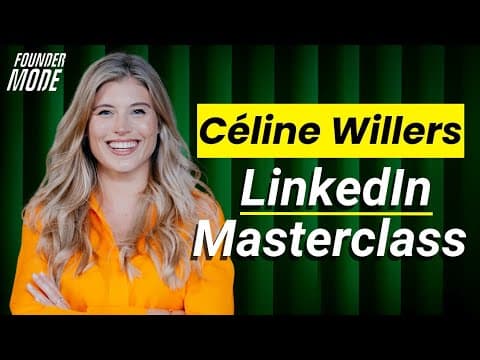
Céline Flores Willers bootstrapped a LinkedIn agency and lays out in her masterclass how to get over the cringe mountain: three posts a week, 100 connection requests, visual and first line.
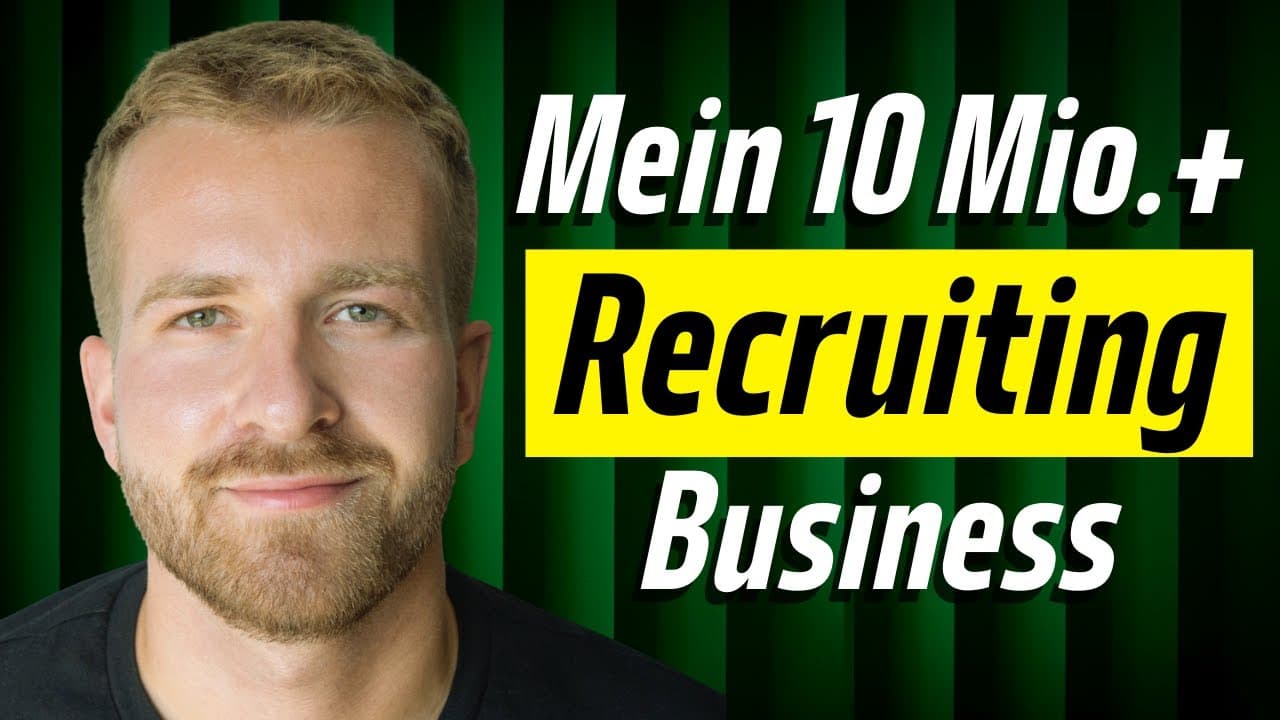
Christoph Zöller uses personal branding as a touchpoint machine in B2B: 2 to 3 LinkedIn posts a week with a ghostwriter, 5 million impressions in 365 days, plus podcast ads.
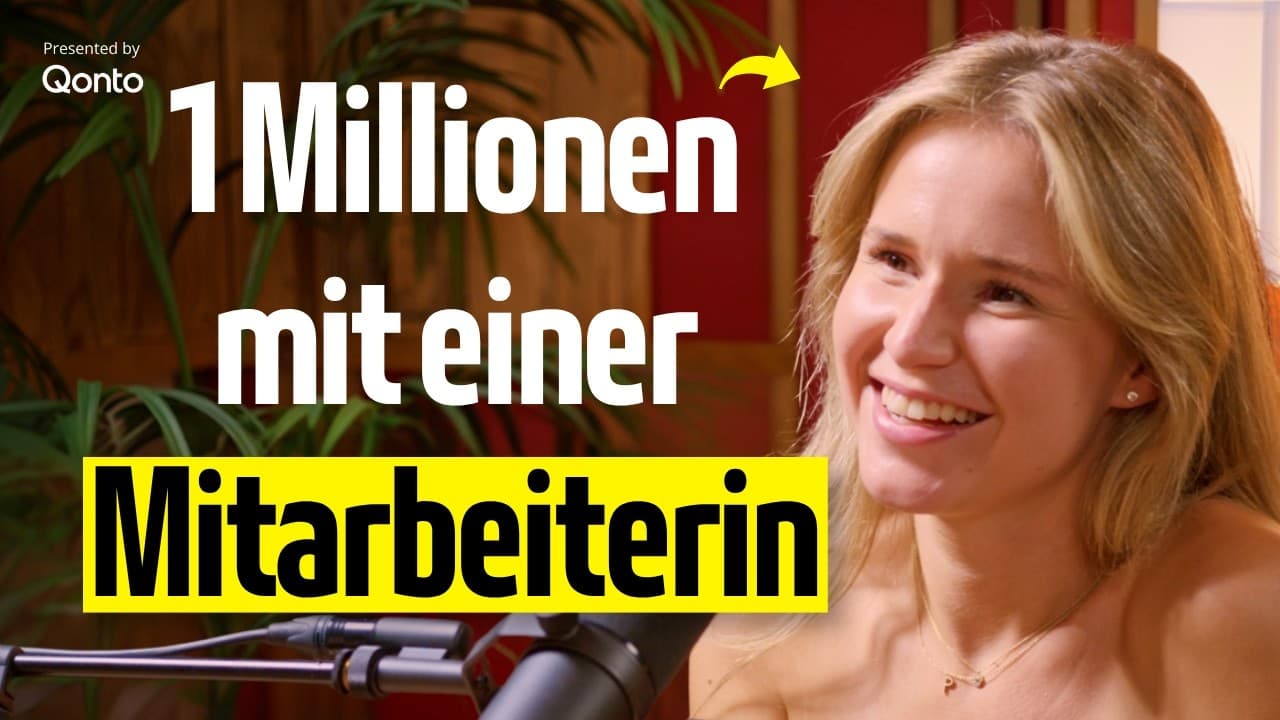
Sarah Emmerich makes one million in revenue with one employee and says her capital is her personal brand and network, not team or money.
Max Wittrock splits storytelling into strategy and tactics, posts on LinkedIn every day from 8 to 8:20, and explains why personal branding can hardly be outsourced.
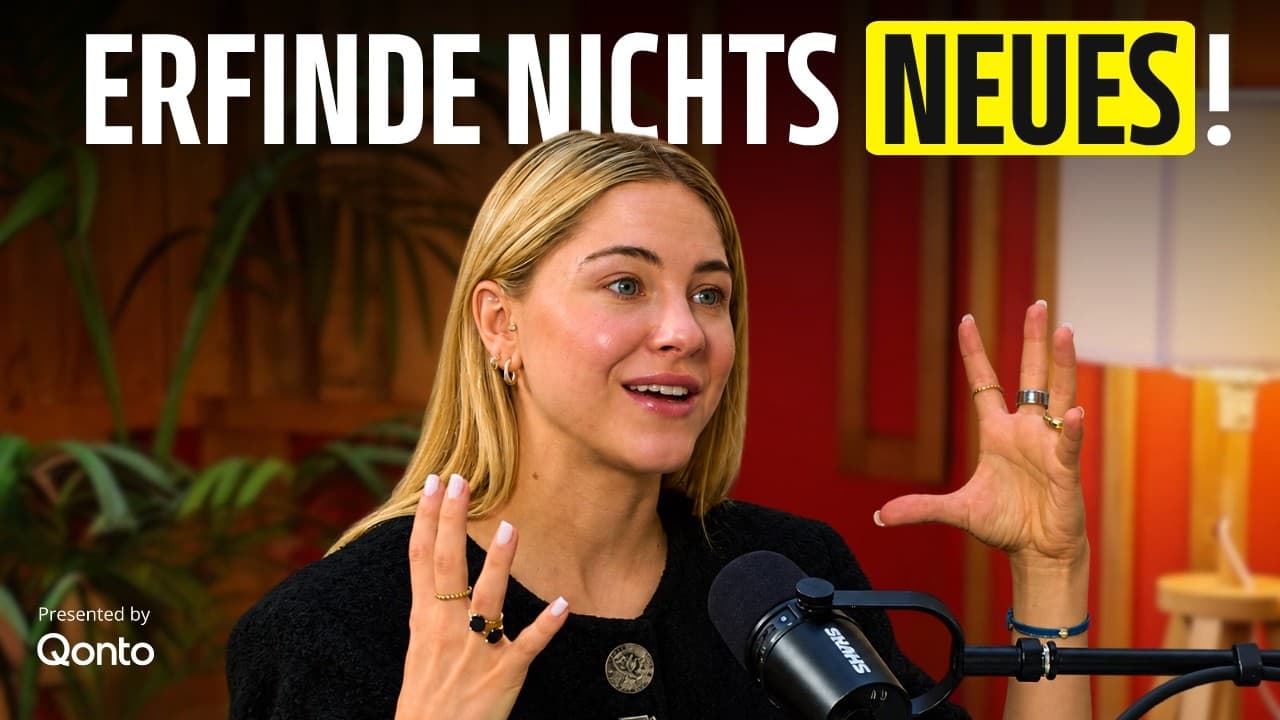
Diana zur Löwen has had reach for more than ten years and is still sceptical about building in public: founder content attracts founders, not toothpaste buyers.
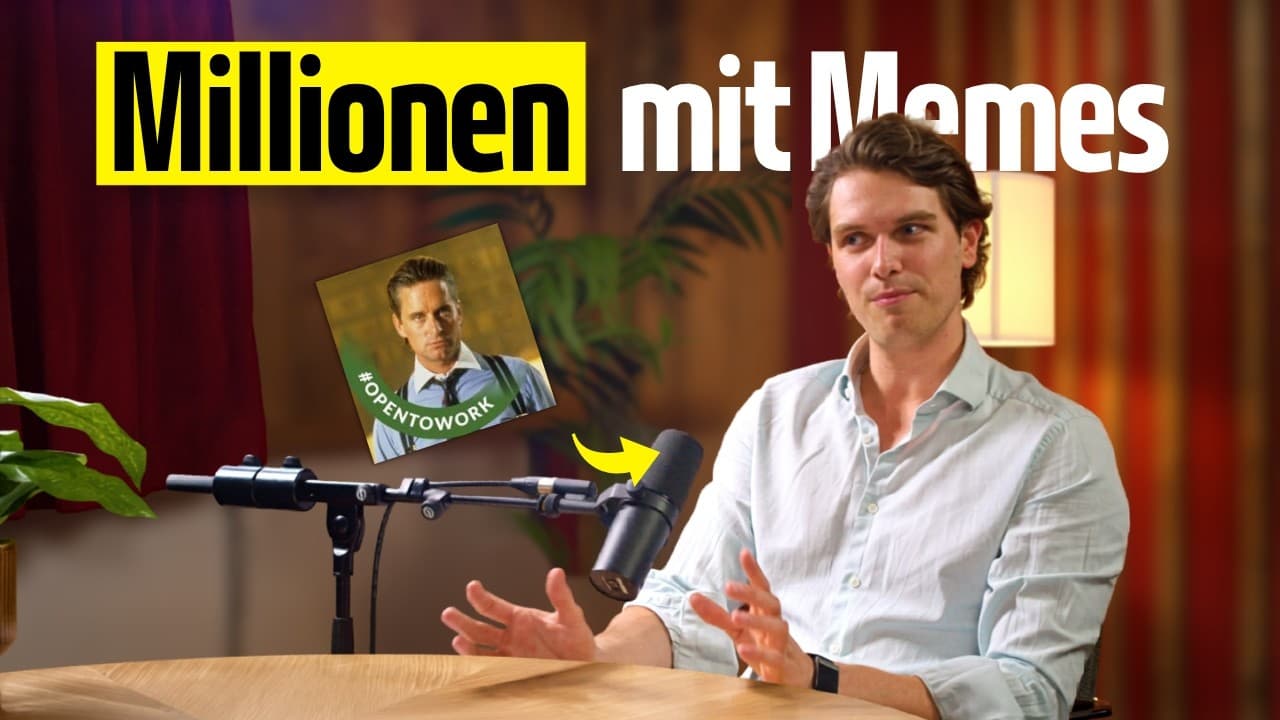
Niklas Schwab stayed anonymous for almost four years and now says a face always sells better than a meme; his personal brand brings in most of his invitations and deals.
What you take away from the episodes
- 1
Post your own content, don't share
According to Céline Flores Willers you need at least three LinkedIn posts a week for relevant reach, each with your own photo or video and your own text. Sharing other people's posts does nothing, and don't spend long on your profile, because without posts nobody gets there.
from: LinkedIn masterclass: from Cringe Mountain to millions of views - 2
Visual and first line decide
Whether someone stops or scrolls on is decided by the visual and the first line, says Céline Flores Willers; she wrote one post in 15 minutes and then spent another 15 minutes on the headline alone. She answers comments mainly in the first two hours because that boosts reach.
from: LinkedIn masterclass: from Cringe Mountain to millions of views - 3
Personal branding as a B2B touchpoint machine
In B2B a brand needs many contacts before anyone buys, so Christoph Zöller posts about Instaffo 2 to 3 times a week and reaches 5 million impressions in 365 days. A ghostwriter collects topics via WhatsApp voice messages and a weekly check-in; video does little on LinkedIn, posts without a photo work well.
from: From party host to tech CEO - 4
Content needs a system and accountability
Max Wittrock splits storytelling into strategy (a 30-minute mind map on the topic you want to stand for) and tactics (one or two channels, a daily block in the calendar). For him that means LinkedIn time every day from 8 to 8:20, the post goes out whether it is good or not, and it can hardly be outsourced.
from: Why would you leave an eight-figure company after 12 years? - 5
Network and personal brand are a lever of their own
Some founders build leverage through a big team, others through capital; Sarah Emmerich's lever is the network that grew out of ten years of personal branding. Without it she could run neither her agency nor the Business Creator Summit, because the speakers would not come, and certainly not on those terms.
from: How I would build a personal brand today - 6
Decide whether the person or the product is the hero
Founder content attracts people who want to become founders, not people who buy toothpaste, says Diana zur Löwen. That is why she and her co-founder started the TikTok channel Zahnbeauties, where a video about the ingredient nano-hydroxyapatite got over 100,000 views, and she advises you to decide whether you want to build a personal brand or make your product the hero.
from: How I would launch a consumer brand in 2026 - 7
Show your face earlier than you think
Niklas Schwab stayed anonymous for almost four years and only showed his face at OMR in May 2024; in hindsight he says a face always sells better and a meme alone carries little trust. Anonymous brand deals did work, but today his personal brand brings in most of his invitations and deals.
from: How I turn memes into a million-euro business
Quotes from the episodes
„Dieser Initialinvest ist so klein im Vergleich das zu dem was du an Reichweite rausholst, dass es sich immer lohnt am Anfang mit reinzugehen in meinen Augen.““The initial investment is so small compared to the reach you get out of it that, in my view, it always pays to get in at the start.”
„Und da hatte ich den schlechtesten Abschluss, aber das höchste Einstiegsgehalt.““I had the worst grades, but the highest starting salary.”
„Also mein Kapital ist halt meine Personal Brand und mein Netzwerk. Dadurch habe ich halt viele Möglichkeiten.““My capital is my personal brand and my network. That's what gives me so many opportunities.”
„Bewerte nie eine Entscheidung mit Informationen, die du später bekommen hast.““Never judge a decision with information you only received later.”
All 16 episodes on personal branding
FAQ
How often should I post on LinkedIn as a founder?
According to Céline Flores Willers you need at least three posts of your own per week to build relevant reach over time. Christoph Zöller posts 2 to 3 times a week and reaches 5 million impressions in 365 days that way. Vivien Wysocki and Larissa Schmid of Saint Sass, on the other hand, deliberately post only about once a week and go for quality over quantity.
Can I outsource personal branding to a ghostwriter?
Christoph Zöller says yes: his ghostwriter collects topics via WhatsApp voice messages and a weekly check-in, with input from the team as well. Max Wittrock, on the other hand, thinks it can hardly be done; his comparison is wanting to become a pro boxer without wanting to box. Vivien Wysocki and Larissa Schmid write their texts themselves, and when ideas run dry Céline Flores Willers recommends interview mode: what did you experience last week, who did you meet?
Does founder content actually bring in customers?
It depends on the product. Diana zur Löwen says founder content attracts people who want to become founders, not people who buy toothpaste. Max Wittrock cites Johannes Kliesch, who used post-purchase surveys at Snocks to find that about one percent of customers came through his personal brand. In B2B it looks different, according to Christoph Zöller: there a brand needs many touchpoints before anyone buys, and LinkedIn delivers them.
Does a personal brand help with fundraising?
According to Dr. Vivien Karl, yes: Tina Müller commented on one of her LinkedIn posts and came in as one of the first angels, after which the pre-seed round closed in three weeks with roughly double the planned 800,000 euros. Vivien Wysocki was found by an investor through her roughly 5000 Clubhouse followers and her LinkedIn profile, which is how Saint Sass came about. Vivien Wysocki and Larissa Schmid say their LinkedIn posts get investors, VCs and business partners to notice them.