
Monetization
In these episodes, monetization means turning reach, users or viewers into a business model, whether through advertising, subscriptions, commission or your own products. Niklas Schwab sells branding campaigns to banks and watch brands through Hedgefonds Henning, Diana zur Löwen has lived off brand deals, platform payouts and her own fragrances for more than ten years, and Pip and Philipp fund the Doppelgänger podcast through advertising alone.
Many agree that advertising is the beginning, not the goal: Niklas Schwab calls it the easiest but worst form of monetization, and Ralf Reichert sold sponsorship first at ESL and sees the future in direct-to-consumer. On timing the guests differ. Pip and Philipp had no ads at all for two years, Jeremy Okoth and Hannes Kessel show Splash's paywall the moment the app opens but still put growth before cashing in. Moritz Holländer doesn't focus on margin while Freecash is growing, while Paul Aierle and Lukas Tomasek already cover KlausurBuddy's costs with subscriptions from 5.99 euros.
These episodes are useful if you have reach and are wondering how to turn it into money, if you are planning a subscription model for an app, or if you want to know what share platforms like Apple, OnlyFans or TikTok keep.
Start with these episodes
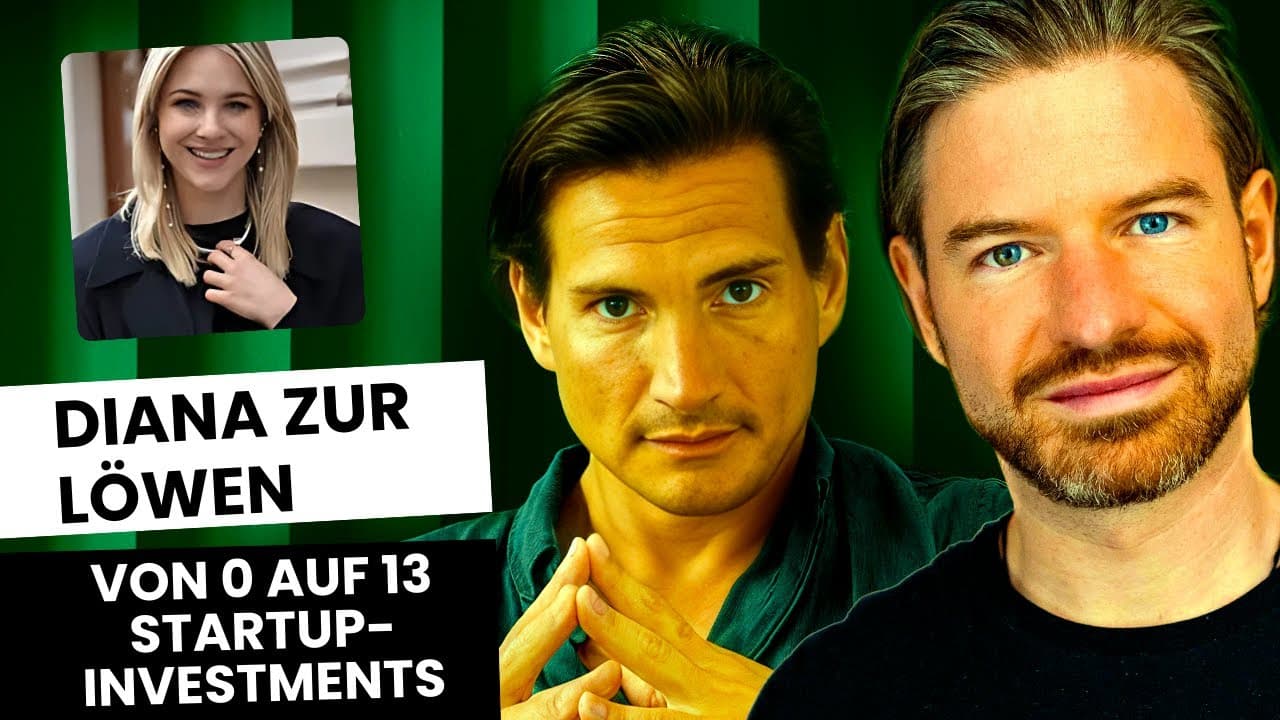
Diana zur Löwen explains how she turns reach into money through brand deals, platform payouts, affiliate links, speaking and her own drugstore products.
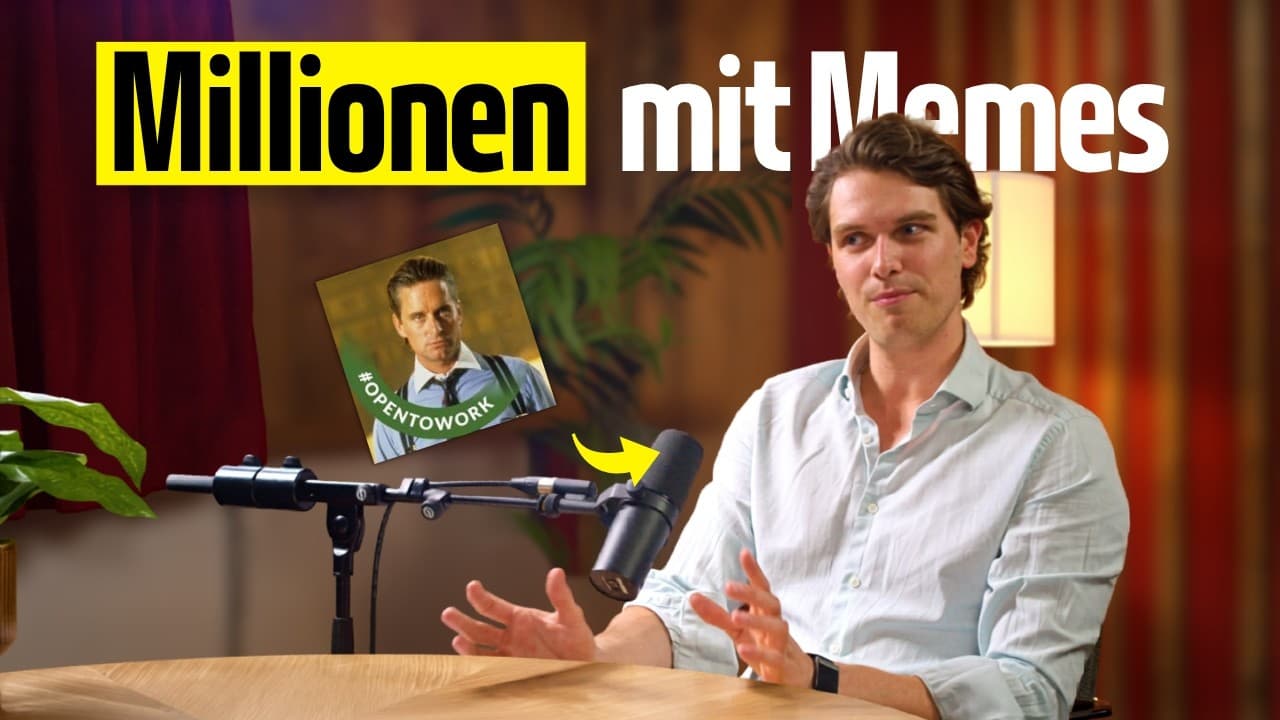
Niklas Schwab shows how he monetizes memes through branding campaigns, a print magazine and a production company, and why advertising is only a transitional phase for him.
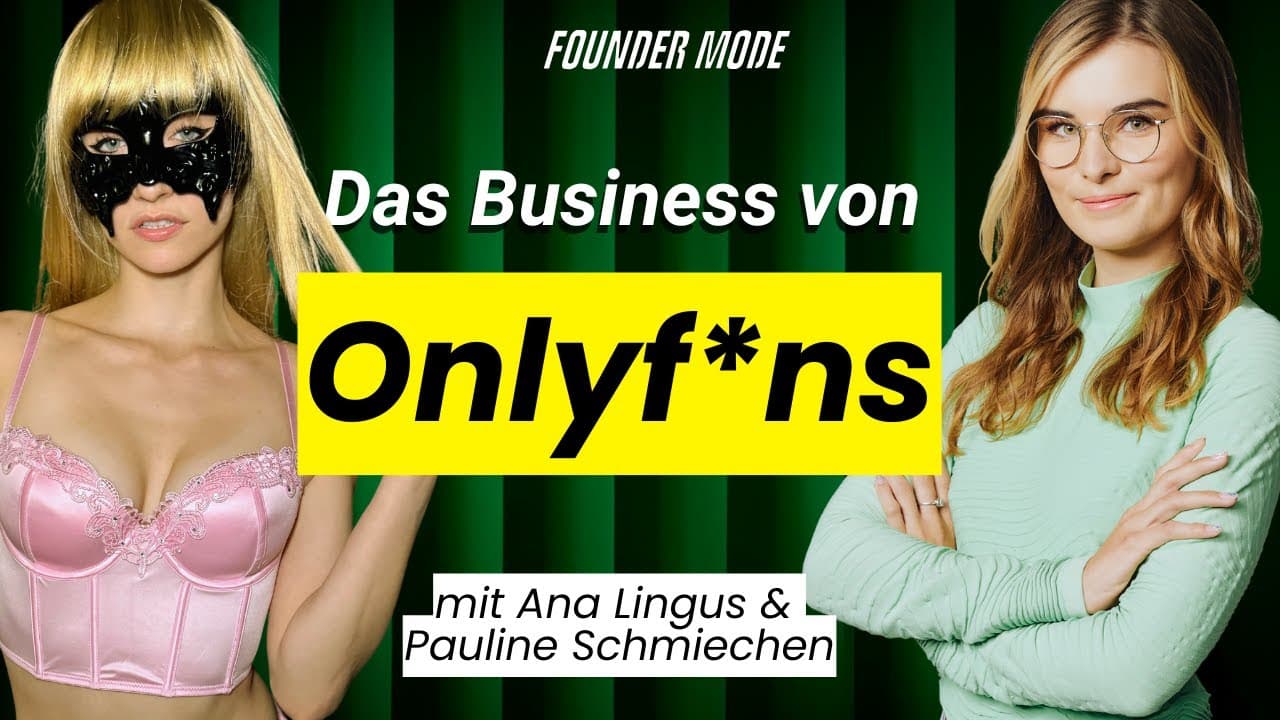
Pauline Schmiechen and Ana Lingus break down the OnlyFans business model: 80/20 split, expensive payment and income from subscriptions, pay-per-view and tips.
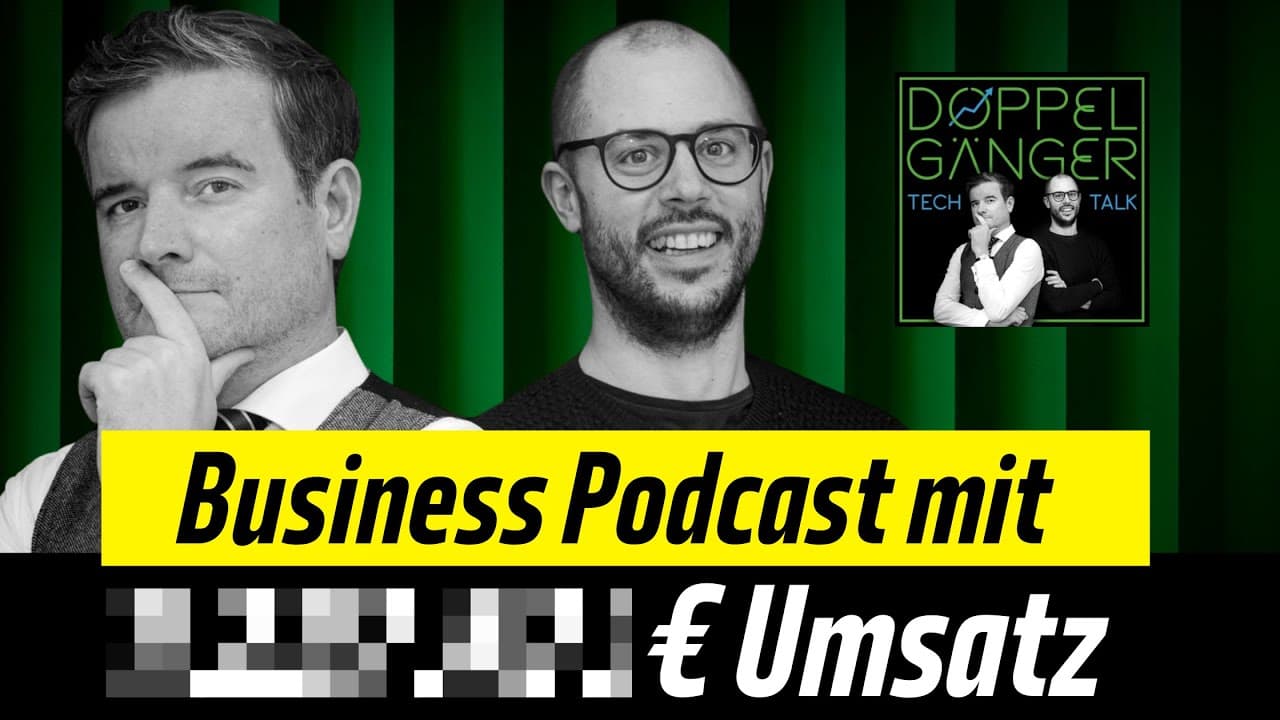
Philipp Klöckner and Philipp Glöckler explain how a podcast with a team of three reaches seven-figure ad revenue and why they went without ads for two years.
Moritz Holländer explains Freecash's rewards model, in which 40 to 50 percent of the ad budget goes back to users.
Jeremy Okoth and Hannes Kessel earn with Splash through subscriptions only and made 4 million dollars in revenue in seven months.
What you take away from the episodes
- 1
Sell branding, not affiliate, and not too cheap
Niklas Schwab now does 70 to 80 percent of his deals as branding campaigns, because nobody buys a high-priced product straight from a story. Early on he sold himself far too cheaply because he didn't know the going rates in the influencer industry.
from: How I turn memes into a million-euro business - 2
Don't think about monetization too early
The Doppelgänger podcast ran without any ads for its first two years; Philipp Glöckler estimates they left at least a seven-figure sum on the table. Philipp Klöckner thinks that was right, because 99 percent of revenue lies in the future and ads only came once companies asked whose tools he uses himself.
from: The incredible success story of the Doppelgänger podcast - 3
Show the paywall right away, test the price
Splash shows the paywall the moment the app opens: 5 euros a week, 20 to 30 euros a year depending on the country, plus a student discount nobody has to prove. According to Jeremy Okoth and Hannes Kessel, everything rests on testing, and Apple takes 38 percent.
from: 21-year-old TikTok millionaires reveal how to succeed on social media - 4
Measure how much revenue comes from interaction
Ana Lingus separates subscription income from pay-per-view and tips; for her the ratio is 50 to 50, and around 60 percent of her roughly 1,000 videos are custom productions for individual fans. If only 20 percent comes from pay-per-view, Ana says you are barely interacting with your fans.
from: The business of OnlyFans - 5
A rewards model has to double user value
Freecash hands back around 4 of every 10 dollars of ad budget to its users. Moritz Holländer does the maths: 5 dollars of lifetime value have to become 10 for it to still pay off for the advertiser.
from: Germany's least-known billion-dollar founder is 24 - 6
Monetize like a traditional sport
At ESL, Ralf Reichert thought like a sports organisation from day one: sponsorship first, then media rights, then direct-to-consumer with tickets and merchandise. As a fourth stream he names government money, which almost everyone forgets.
from: Esports World Cup, Saudi Arabia and million-dollar deals: the future of esports - 7
Practise on TikTok, earn on Instagram
Diana zur Löwen recommends starting on TikTok and sharing the videos on Instagram too, because Instagram is the easiest to monetize. Brands there mainly book stories and pay based on reach or conversions.
from: From teen influencer to investor
Quotes from the episodes
„Ich finde, die sollte jeder jetzt langsam beherrschen, weil es einfach eine große Power ist, Videos zu drehen, in der Kamera zu reden und die auch so easy zu schneiden.““I think everyone should slowly master this by now, because being able to shoot videos, talk to the camera and edit them so easily is simply a huge power.”
„Du kannst Kreativität nicht gut systematisieren.““You can't really systematise creativity.”
„Ich glaube, OnlyFans war sehr, sehr wichtig für unsere Industrie, weil OnlyFans hat den Creatern die Power zurückgegeben.““I think OnlyFans was hugely important for our industry, because OnlyFans gave the power back to the creators.”
„Gründersein macht ja nicht jeden Tag Spaß. … irgendwie 360 Tage im Jahr nicht besonders viel Spaß. Es ist einfach nur Kampf jeden Tag.““Being a founder isn't fun every day. Somehow it's not much fun 360 days a year. It's just a fight every day.”
All 10 episodes on monetization
FAQ
How does a podcast make money?
The Doppelgänger Tech Talk is funded by advertising alone. According to Philipp Glöckler, the podcast reaches 40,000 to 50,000 listeners per episode in the first 30 days and should make seven-figure revenue next year, with editor Jan receiving 10 percent of revenue. Philipp Klöckner estimates there are fewer than 20 podcasts in Germany with more than one million in revenue.
How much can you earn with advertising on Instagram?
Niklas Schwab says his Instagram unit Hedgefonds Henning stays below 500,000 euros in revenue but at a high margin, and that Chronext generated more than 400,000 euros in revenue through his code alone. For Diana zur Löwen, brand deals make up the biggest share, paid by reach or conversions, mostly via stories.
Subscription or ads: how do you monetize an app?
According to Jeremy Okoth and Hannes Kessel, Splash earns exclusively through subscriptions, 5 euros a week or 20 to 30 euros a year, with no ads, and Apple takes 38 percent. Daniel Minini runs Nametests entirely on advertising and Beer Buddy on a subscription model that makes almost 100,000 euros in profit a month in summer. Paul Aierle and Lukas Tomasek charge 5.99 to 12.99 euros a month for KlausurBuddy and, according to Paul, cover their costs with that.
How much do creators earn on OnlyFans?
According to Pauline Schmiechen, creators keep 80 percent of their earnings on OnlyFans, but payment fees start at 8 percent. Ana Lingus earns a five-figure sum a month across all platforms with a 10-dollar subscription, several livestreams a week and custom videos. According to co-host Moritz Blees' research in the episode, the average creator makes around 2,000 euros a year.