
Brand building
In these episodes, brand building comes down to the practical decisions behind a brand: which shelf you go after, how packaging and price work, and whether you sell online or in retail first. Marlena Hien launched Bears with Benefits on Amazon and reworked the packaging until it stood out in the search results, Max Wittrock is building a pink alcohol-free beer with zeroLabs in a country with around 1,500 breweries, and Diana zur Löwen deliberately picked a dusty drugstore shelf for artem oral care instead of inventing something new.
Almost everyone agrees on focus: Dr. Vivien Karl turns down body lotion and shower gel because both would dilute the brand, and Alisa and Frederik Jahnke stopped cosmetics at Purelei after six months. On distribution they disagree. Max Wittrock and Vivien Karl start with D2C, Marlena Hien says retail and Amazon earn her more than her own shop, and Fabian Huber sells 99 percent of SUPER POP through retail because beverages are no fun in an online shop.
These episodes are for you if you are planning a consumer brand or have just started selling and need to decide what your brand stands for, which channels to open first and when to cut a category again.
Start with these episodes
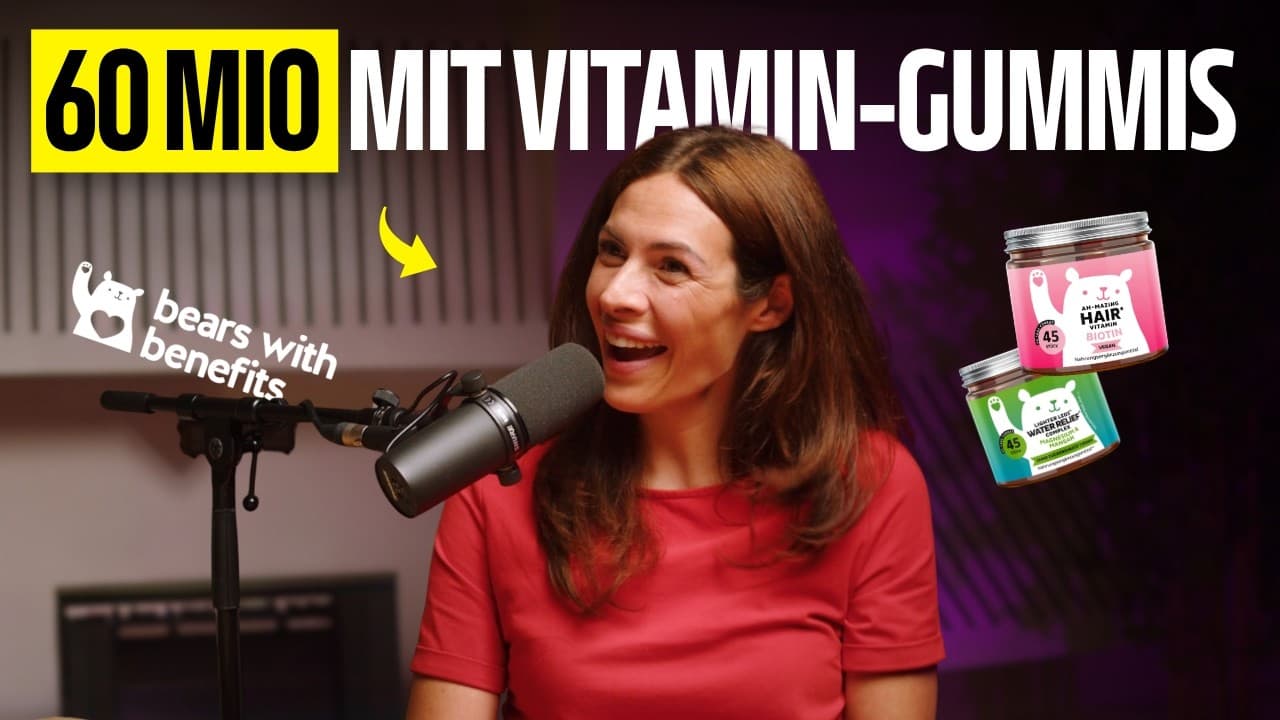
Marlena Hien designed Bears with Benefits' packaging for the Amazon search result and explains why retail earns her more than her own shop.
Max Wittrock explains why a brand needs an edge, why a price is like a tattoo and how zeroLabs starts online.
With artem oral care, Diana zur Löwen shows how to take over a dusty shelf and shoot ads that don't look like ads.
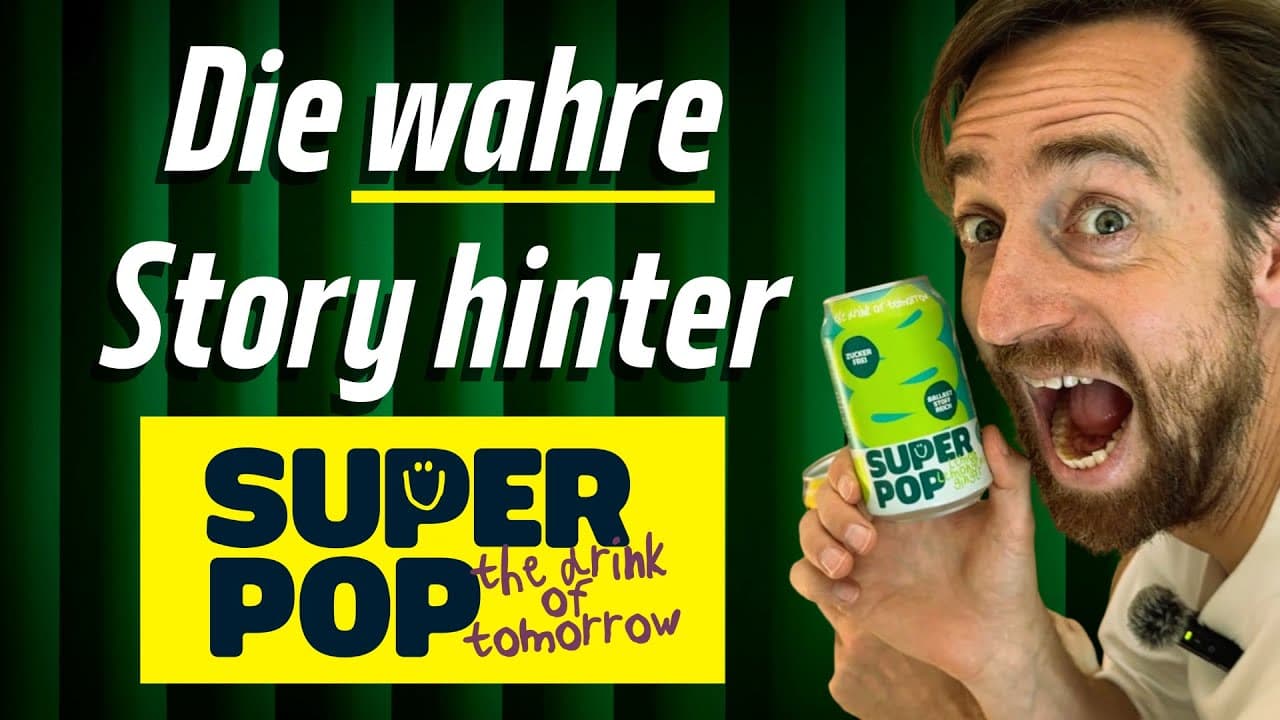
Fabian Huber explains how SUPER POP gets onto the shopping list, why the can is colourful and how to reach retail buyers.
Dr. Vivien Karl keeps her brand deliberately narrow, sells 80 percent through her own shop and has turned down drugstore retail for now.
Moritz Fürste tells how HYROX grew out of a statistic, why the name was a business decision and why the event itself is the best marketing.
What you take away from the episodes
- 1
Your brand needs an edge
Max Wittrock took the line from a founder of the agency Heimat: don't be vanilla ice cream. At zeroLabs the edge is the product itself, a pink beer with 0.0 percent alcohol, and the angry comments under the ads even help the algorithm.
from: Why would you leave an eight-figure company after 12 years? - 2
Design your packaging for the Amazon thumbnail
Marlena Hien placed Bears with Benefits' packaging straight into Amazon's search results and adjusted it until the ingredient was readable within a second. Because 10,000 micrograms of biotin was an important keyword, the product was even developed around that dosage.
from: 60 million in revenue, 10 countries, one exit - 3
Find a dusty shelf
Diana zur Löwen goes to the drugstore almost daily and checks which shelves have been selling the same products from the same corporations for decades. Oral care, detergent and intimate care are such categories, where you can compete with better design and more modern ingredients without inventing anything new.
from: How I would launch a consumer brand in 2026 - 4
Get on the shopping list, not the shelf
Fabian Huber says hardly anyone browses the drugstore for inspiration, most people work through their shopping list. So SUPER POP explains on social media why you should try the can and uses the loud look of classic sodas on the shelf instead of natural tones.
from: The secret behind 3 million cans sold - 5
Protect your brand from dilution
Many customers ask Dr. Vivien Karl for body lotion or shower gel, and the products would work for men too. Vivien Karl and her co-founder Julia do neither because it would dilute the brand, and they only want to go international after the first 10 million.
from: From an intimate cream to a million-euro brand - 6
The event is your best marketing
Around 650 people, many of them invited, started at the first HYROX in Hamburg's exhibition hall, and Moritz Fürste hosted every event himself for the first three years. More important than the number was that it happened, because afterwards there were pictures instead of just stories.
from: From Olympic gold to a global fitness revolution - 7
Your own shoots can beat UGC
Vivien Wysocki and Larissa Schmid initially relied heavily on user-generated content at Saint Sass, but their own shoot images always outperformed the UGC videos. With their product the statement has to be in focus, and other people's outfits or backgrounds distract.
from: From Clubhouse to a multi-million brand
Quotes from the episodes
„Weil wer hat denn eigentlich die Marge? Meta hat die Marge, Influencer haben die Marge““Because who actually has the margin? Meta has the margin, influencers have the margin.”
„Bewerte nie eine Entscheidung mit Informationen, die du später bekommen hast.““Never judge a decision with information you only received later.”
„Ich glaube, generell sind so viele Nischen interessant, die einfach über Jahrzehnte so ein bisschen vergessen wurden.““I think so many niches are interesting simply because they've been more or less forgotten for decades.”
„… wir sehen sie jetzt weniger als Testimonial, sondern eher als Sparingspartner.““We see her less as a testimonial and more as a sparring partner.”
All 13 episodes on brand building
FAQ
How do you build a brand without a big budget?
Dr. Vivien Karl developed her first MVP in her pharmacy's compounding lab, filled it into small jars and gave it to customers to test, with no factory and no budget. According to the Purelei episode, Alisa Jahnke bought the first products with 500 euros and cycled from boutique to boutique. Diana zur Löwen shoots artem's ads herself and gathers the first learnings before booking UGC creators.
Should a new brand sell online or in retail first?
The guests disagree. According to Max Wittrock, a consumer brand should usually start with D2C and build the brand online, because retail pays the interest later. Marlena Hien sold Bears with Benefits on Amazon first, then in retail and only then in her own shop, and says retail and Amazon earn more than D2C. Fabian Huber sells SUPER POP almost entirely through retail because beverages are heavy and low in value.
How much marketing spend is normal for a D2C brand?
According to Marlena Hien, 35 percent marketing costs make you a rock star in D2C, while 50 percent or more is realistic. Diana zur Löwen says a single toothpaste doesn't cover shipping, so artem sells sets and bundles to raise the basket size and afford customer acquisition on Meta.
Does a brand need the founder's face?
Not necessarily. Diana zur Löwen says founder content attracts people who want to start a company themselves, which is why she launched the product channel Zahnbeauties. Fabian Huber describes Pamela Reif at SUPER POP as a sparring partner rather than a testimonial, while BraTee depends heavily on Capital Bra. Max Wittrock, on the other hand, says personal branding can hardly be outsourced and blocks LinkedIn time from 8 to 8.20 every morning.