
Sales
These episodes are about the craft of selling: how to get your first customers on the phone, how a demo leads to a deal and how to win large companies. Yilmaz Köknar (Superchat) made 100 to 150 calls a day before there was a product, Dana von der Heide (Parcel Perform) sells at a conference almost every week, and Jan Dzulko (Everphone) worked on one DAX customer for four years.
The guests agree that sales does not happen by itself: Christian Lindner (Autoland) talks about the embarrassment barrier you have to get past, and Björn Jopen only invests in teams where someone can sell. On cold outreach, experiences differ. For Yilmaz Köknar cold calls were the starting channel, Gero Decker (Signavio) says outbound only worked for him once the brand was known, and Leon Szeli (Presize) got no reply to thousands of cold emails but landed the Otto deal with a handwritten letter.
The episodes are useful if you sell a B2B product, are building your first sales process or want to move from small customers to corporations. You get concrete numbers on close rates, lead costs, payback periods and sales cycles.
Start with these episodes
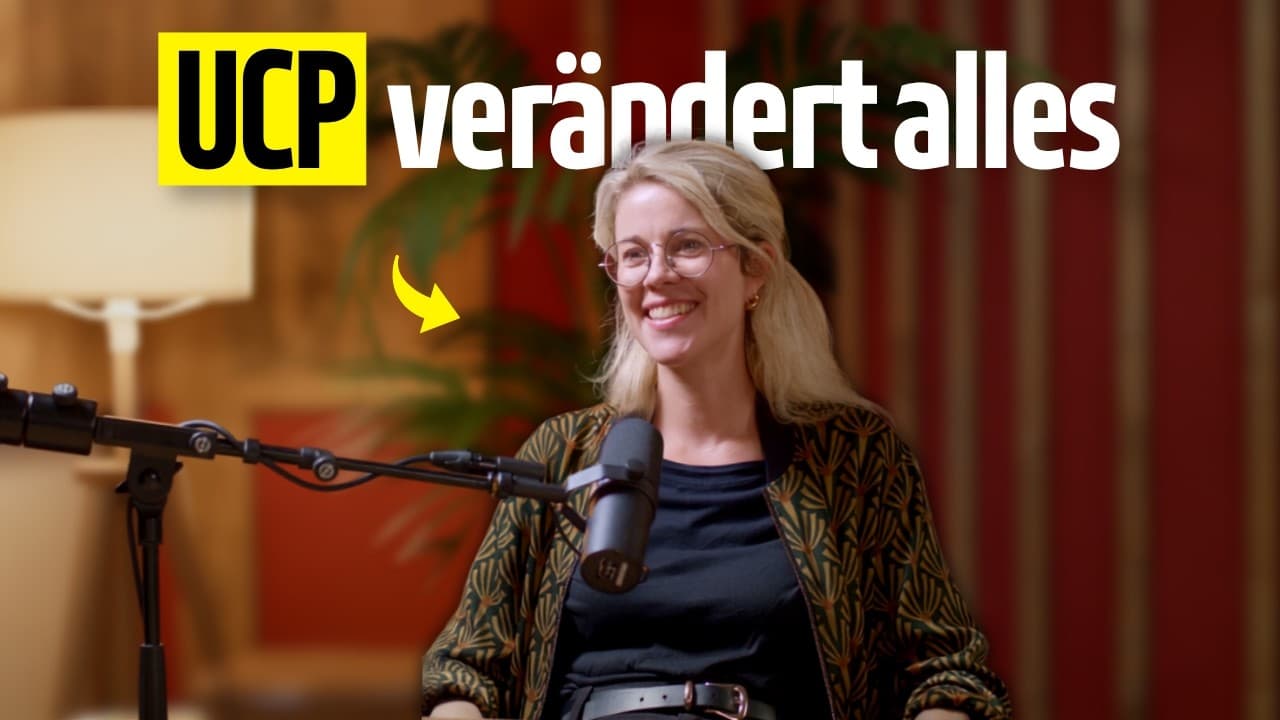
Dana von der Heide explains her conference playbook: only go where the customers are, take the stage and side events, demos in the customer's design and follow-up from the train.
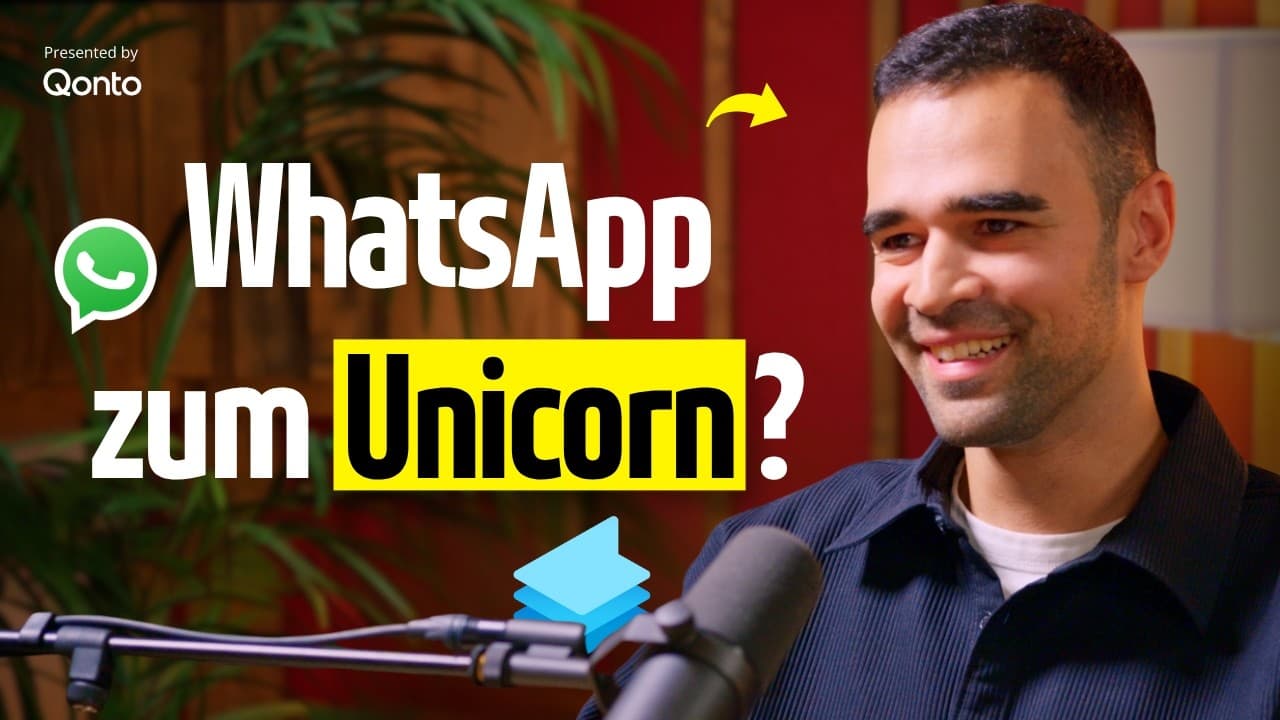
Yilmaz Köknar shows Superchat's go-to-market in three stages: cold calls for the first 100 customers, Meta leads below 15 euros and a demo with a 30 percent close rate.
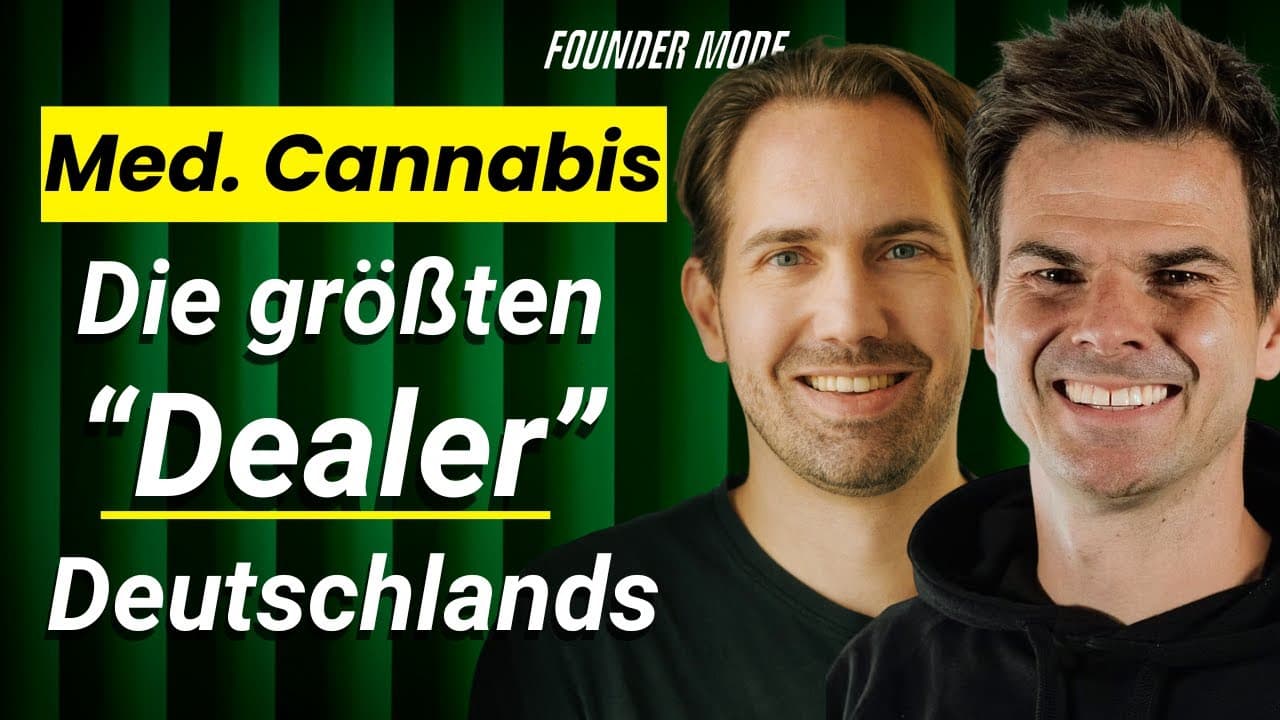
Torsten Greif and Albert Schwarzmeier sell medical cannabis to pharmacies without being allowed to make efficacy claims, relying on knowledge, supply reliability and a sales team of twelve.
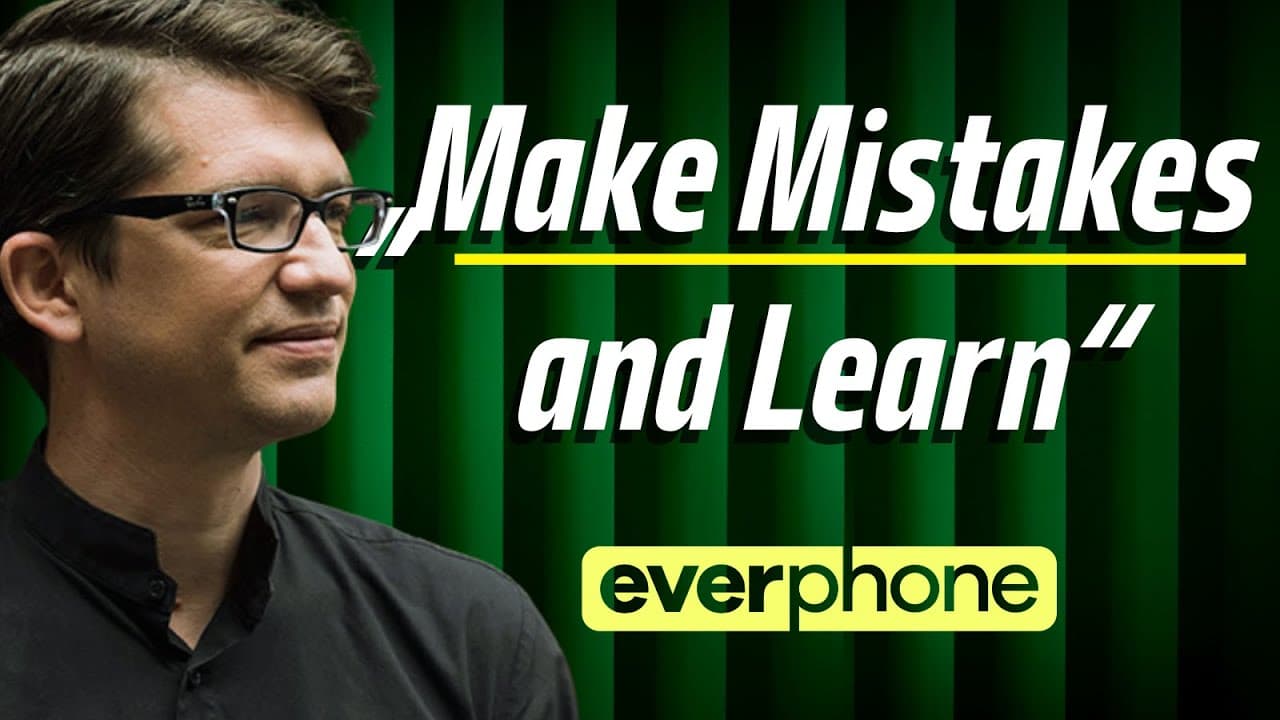
Jan Dzulko explains enterprise sales from bakeries to a DAX corporation: excite the business unit, influence procurement and observe customers instead of just interviewing them.
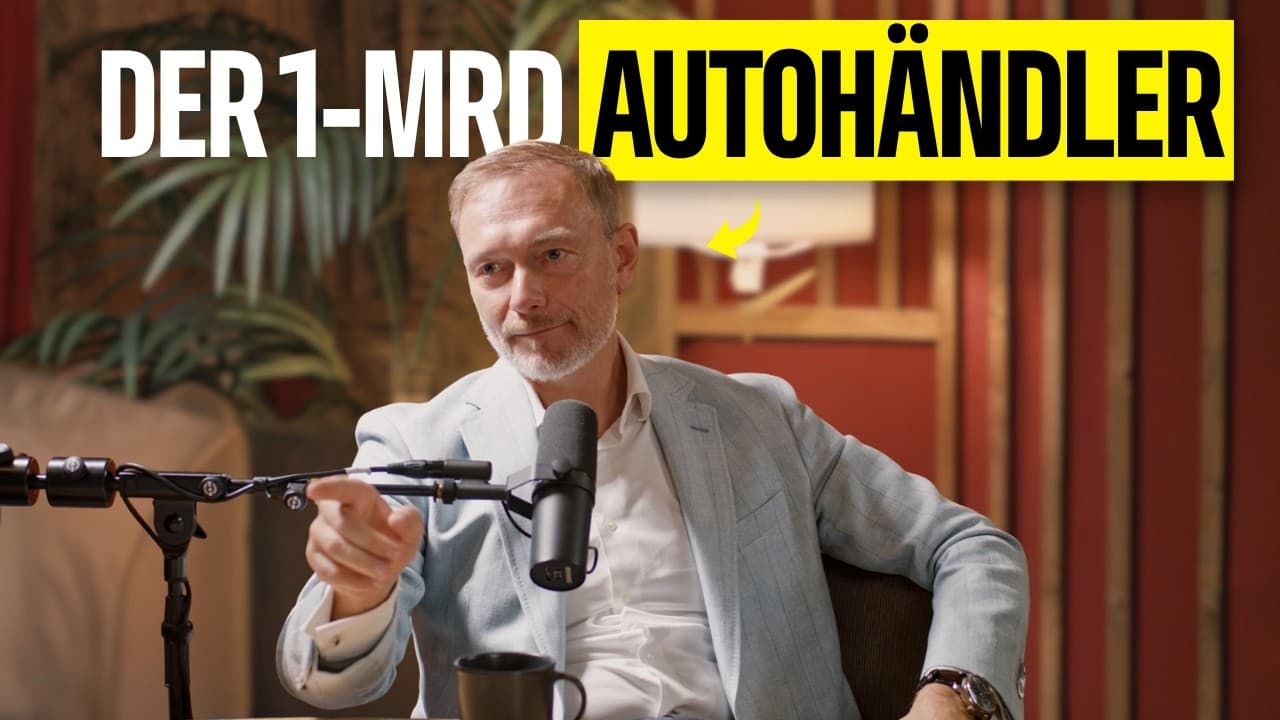
Christian Lindner wrote the phone script for Autoland's salespeople himself and tells how, as a student selling door to door, he got past the embarrassment barrier in sales.
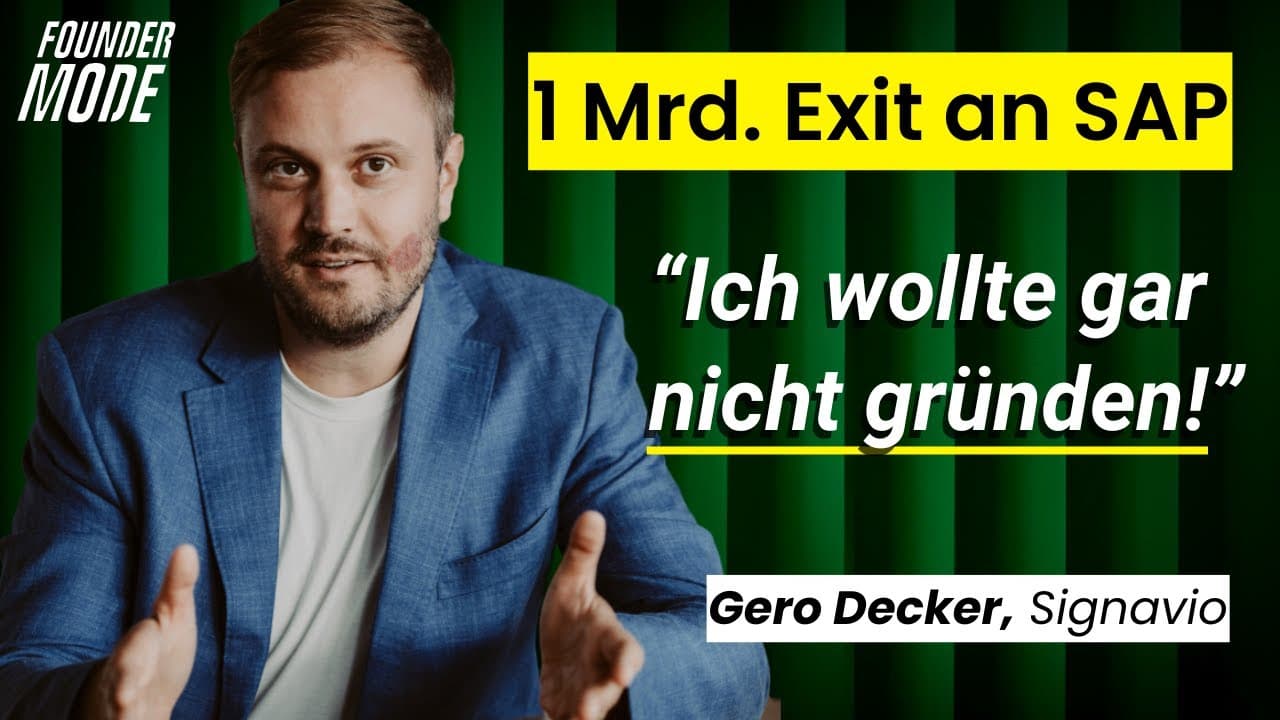
Gero Decker learned that Signavio only had paying customers where it had salespeople, and that outbound only worked for him once the brand was known.
What you take away from the episodes
- 1
Sell before you build
Yilmaz Köknar and his co-founder scraped Google Maps, kept an Excel list instead of a CRM, made 100 to 150 calls a day and collected 10 LOIs before there was a product. The LOIs tested the market and built the confidence that it could work.
from: 20 million in revenue with WhatsApp - 2
Build a one-stop demo with a money-back guarantee
At Superchat, says Yilmaz Köknar, every lead got a 45-minute demo on their problem and an immediate offer with a 30-day money-back guarantee, otherwise a 12-month contract, plus an onboarding appointment the same day. Around 30 percent of demos closed, the fastest deal took nine minutes.
from: 20 million in revenue with WhatsApp - 3
Go where your customers are
Dana von der Heide is at a conference almost every week, but only those where her customers are, even if logistics fairs are not fancy. She announces herself on LinkedIn beforehand, gets on stage wherever possible and sends the follow-ups from the train.
from: The future of online retail: when AI does the shopping for you - 4
Excite the business unit, influence procurement
In enterprise sales, says Jan Dzulko, the business unit does not decide alone; procurement decides through a tender. You turn the business unit into your champion by solving more problems than expected, then make sure your strengths appear as criteria in the tender.
from: The cracked screen that started a business model - 5
Sales is technique: script and objection handling
Christian Lindner wrote the phone script for Autoland's salespeople himself. A script leads through forks: if the customer says no, you go back to objection handling, for instance when they say the car still runs fine.
from: From finance minister to car dealer: a fresh start, startup investments and the AI future of selling - 6
Customers are where your salespeople are
Signavio's sign-ups came mainly from India, the USA and Brazil, says Gero Decker, but the paying customers almost only from Germany, because that was the only place with salespeople. The consequence was simple: pick a country and hire people there.
from: A billion-euro exit and business lessons - 7
Set a payback limit instead of budgets
SumUp has no fixed budgets for customer acquisition, says Marc-Alexander Christ: spend as much as possible as long as the payback period stays under twelve months. Anything above gets switched off, anything below gets more money, which is how direct sales came back.
from: The future of fintech: why AI now makes cold calls & the road to the super app
Quotes from the episodes
„… man geht ja unglaublich gerne als so junger Gründer auf diese ganzen Events mit den anderen jungen Gründern und freut sich darüber massivst. Aber da sind halt deine Kunden nicht.““As a young founder you love going to all those events with other young founders and you're thrilled about it. But your customers aren't there.”
„Wir hatten kein Pricing, keine Pakete, gar nichts. … Nur Google Maps und ein Telefon.““We had no pricing, no packages, nothing. Just Google Maps and a phone.”
„Eine Branche ist nicht alleine groß.““No industry gets big on its own.”
„Wir haben alle Pfeile in unserem Köcher verschossen. Das wird einfach nichts mehr.““We've fired every arrow in our quiver. It's just not going to work.”
All 15 episodes on sales
FAQ
How does a B2B startup win its first customers?
Yilmaz Köknar scraped Google Maps for Superchat, made 100 to 150 calls a day and collected LOIs before there was a product. Jan Dzulko got into B2B through a call from a customer with 200 company phones and then spent two or three days next to that customer's IT administrator. Gero Decker says Signavio grew in its early years where the big players were not looking, in deals of 5,000 to 50,000 euros.
Does cold outreach still work?
It depends on the form. For Yilmaz Köknar cold calls were Superchat's starting channel, and Christian Lindner says deals do not come by themselves, you have to endure the awkwardness. Gero Decker only made outbound work at Signavio years later and says it did not work without a known brand behind it. Leon Szeli got no reply to thousands of cold emails; what worked was a single message with real context, in Michael Otto's case a handwritten letter.
How do you sell to large companies?
According to Jan Dzulko, procurement decides in enterprise sales through a tender, so you make the business unit your champion and ensure your strengths appear as criteria in the tender; Everphone won one DAX customer only after four years. Björn Jopen says enterprise customers need predictability and switched DemoUp from usage pricing to fixed prices. Dana von der Heide shows customers a demo in their own design within two minutes instead of a generic one.
How much can acquiring a new customer cost?
Marc-Alexander Christ measures every channel at SumUp by its payback period: nine months at first, twelve today, with no fixed budgets. Yilmaz Köknar optimised Meta lead ads to below 15 euros per lead and closed around 30 percent of demos at Superchat. Moritz Kreppel says corporate customers have the higher customer lifetime value at Urban Sports Club, while private members are cheap to win and then make intros to their employers.