
Angel investing
These episodes cover the practice of angel investing: how big a ticket should be, how many stakes a portfolio needs and how to spot founders worth backing. Diana zur Löwen (artem oral care) usually invests 25,000 euros per startup, Björn Jopen holds 36 stakes through his Jale Holding, and Daniel Dippold (EWOR) turned around 50 angel deals into seven unicorns.
The guests agree that the person comes before the idea: Jan Dzulko only backs founders he has worked with or who come recommended by an entrepreneur he respects, Roman Kirsch asks whether someone gives him energy, and Björn Jopen bets on hustlers and salespeople. On portfolio size the numbers diverge: Florian Gschwandtner says you need at least ten tickets, Björn Jopen does not call it a portfolio below 20 to 30 stakes. And while Daniel Dippold and Robin Haak run the numbers on returns and the path to 100 million ARR, Christian Lindner warns not to overrate the financial side, and Björn Keune funds a calling rather than a pitch deck.
The episodes are useful if you are planning your first angel tickets, want to review an existing portfolio, or are a founder trying to understand how angels decide and when they follow on or sell.
Start with these episodes
Diana zur Löwen lays out her angel rule: 25,000 euros per ticket, ideally pre-launch and below a 5 million valuation.
Björn Jopen uses his 36 stakes to show how he reserves capital for follow-on rounds, organises secondaries and turned 200,000 euros in Fit Analytics into 2.7 to 2.8 million.

After her exit Marlena Hien invests as a business angel through Panda Ventures and explains why consumer goods are usually not a VC case in her view.
Daniel Dippold explains why an investor has to miss many unicorns and what separates the top 0.1 percent of founders from the top 3 percent.
Diana zur Löwen talks about her first angel investment, 25,000 euros in Femtasy, and why she now gets in as early as possible.
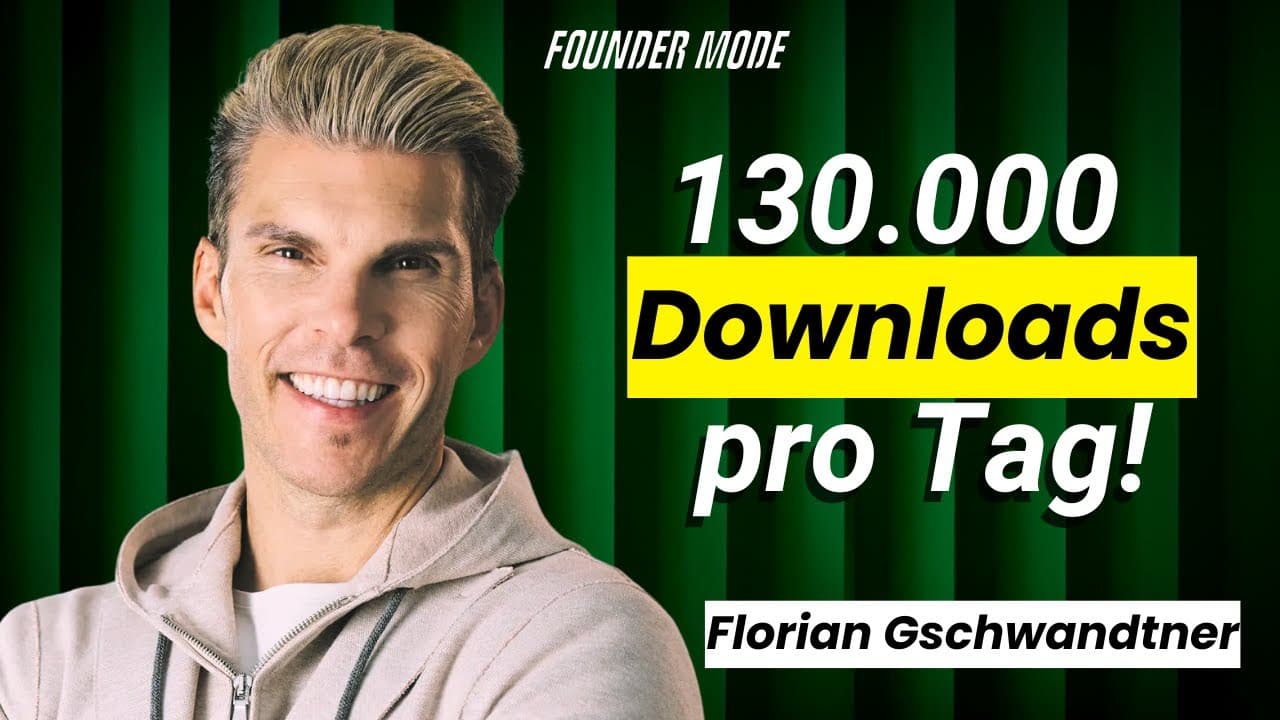
Florian Gschwandtner has invested in 16 funds and explains why he now prefers to write angel tickets himself, at least ten of them.
What you take away from the episodes
- 1
Keep half your capital for follow-on rounds
If you build an angel portfolio with 50,000 euro tickets, Björn Jopen says you should only spend half the money on first investments. The other half is needed to follow on in the second and third rounds of your best three to five companies.
from: Why buying a company beats founding one - 2
Organise secondaries yourself
At Parkdepot Björn Jopen sold everything at 3.5x and regrets it today. His lesson: when a round goes well, actively offer to sell 30 to 50 percent of your stake at a 20 to 25 percent discount.
from: Why buying a company beats founding one - 3
Get in early and below 5 million
Diana zur Löwen usually invests 25,000 euros per startup, ideally pre-launch and at a valuation below 5 million. Her maths: if you enter at 10 million, the company has to become worth 100 million for a 10x.
from: How I would launch a consumer brand in 2026 - 4
As an investor you have to miss unicorns
Daniel Dippold does the maths: if 100 out of 10,000 founders have real potential, the base rate is 1 in 100. Anyone who finds one in 50 has beaten the market twice over and still holds 49 investments with no return.
from: 7 unicorns from 50 deals: how to find the top 0.1% of founders - 5
Ten angel tickets rather than 16 funds
Florian Gschwandtner has invested in 16 funds and now considers that far too broad, three or four would be better. If you want to invest actively, he says, write angel tickets, at least ten, so the maths works out with the outliers.
from: From the family farm to a 220 million exit - 6
No track record yet? Be useful first
If you have no big investments to show yet, send founders analyses or concrete proposals, Roman Kirsch advises. Hardly anyone spends a few hours on serious feedback, and those who do are better than 99 percent of the rest, he says.
from: From paperboy to entrepreneur and investor - 7
Offer capital plus sparring
Christian Lindner puts small tickets into around ten startups and adds coaching, networking and advice on financing and sales. The financial side should not be overrated, he says.
from: From finance minister to car dealer: a fresh start, startup investments and the AI future of selling
Quotes from the episodes
„Ich glaube, generell sind so viele Nischen interessant, die einfach über Jahrzehnte so ein bisschen vergessen wurden.““I think so many niches are interesting simply because they've been more or less forgotten for decades.”
„Bei mir ist ganz wichtig, dass in einem Management-Team immer einer da ist, der auch verkaufen kann.““For me it is essential that every management team has someone who can actually sell.”
„Weil wer hat denn eigentlich die Marge? Meta hat die Marge, Influencer haben die Marge““Because who actually has the margin? Meta has the margin, influencers have the margin.”
„… eigentlich ist gutes Unternehmertum meiner Meinung nach jeden Tag die Disziplin zu haben, die langweiligen Dinge zu tun.““Good entrepreneurship, in my view, is really having the discipline to do the boring things every day.”
All 20 episodes on angel investing
FAQ
How much money do you need to become a business angel?
Diana zur Löwen usually invests 25,000 euros per startup; her first ticket was 25,000 euros in Femtasy, split across two rounds. Björn Jopen works with 50,000 euro tickets and says you do not have a portfolio below 20 to 30 stakes; if you only want to write three tickets, leave it. Florian Gschwandtner considers at least ten angel tickets necessary for the maths to work with the outliers.
What do business angels look for in founders?
According to Jan Dzulko, resilience cannot be tested in a pitch, so he only invests in founders he has worked with himself or who are recommended by an entrepreneur he respects. Björn Jopen bets on hustlers and salespeople: every management team needs someone who can sell. Daniel Dippold looks for obsession rather than trauma, and Roman Kirsch asks whether the person gives him energy and the topic appeals to him.
Is angel investing worth it compared to VC funds?
Florian Gschwandtner has invested in 16 funds, considers that far too broad and says management fees eat into returns while only a small share of funds delivers a good multiple. If you want to invest actively, he says, write angel tickets yourself. Björn Jopen's best deal shows the upside: around 200,000 euros in Fit Analytics returned roughly 2.7 to 2.8 million euros when the company was sold to Snap.
When should an angel sell their stake?
Björn Jopen advises organising secondaries actively: when a round goes well, offer 30 to 50 percent of your stake at a 20 to 25 percent discount, which reduces risk and frees up money for new investments. He regrets selling everything at once: at Parkdepot, now Wemolo, he exited completely at 3.5x and the stake would be worth many times that today. Christoph Jentzsch says business angels can sell their shares through Tokenize.it's secondary market.