From paperboy to entrepreneur and investor
with Roman Kirsch, Serial entrepreneur, investor and founder of the Rapid Pioneers Group
Summary
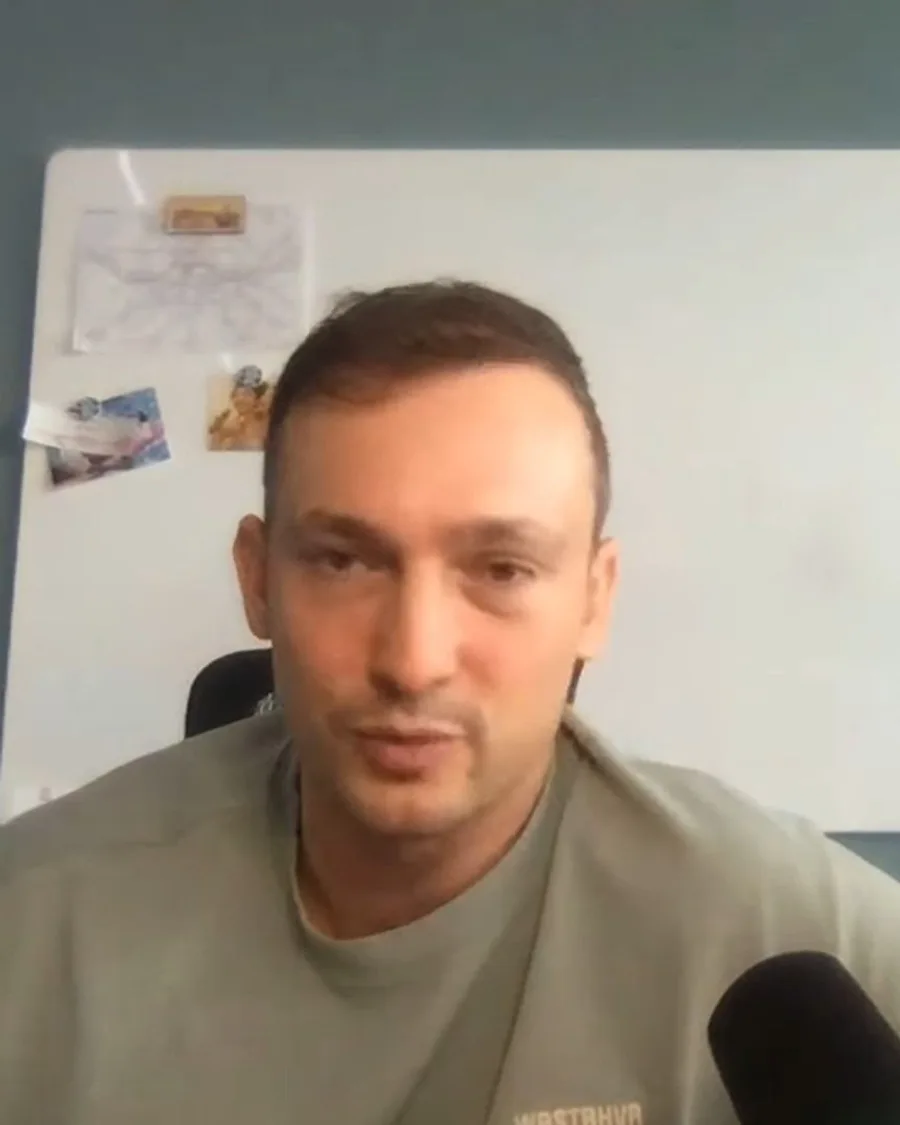
Roman Kirsch joins Feliks and co-host Moritz Blees, with Feliks dialing in from Bali. It starts with their first side hustles: as a teenager Roman delivered newspapers, and after his father covered for him during the autumn holidays and needed seven hours instead of three, he bought three or four more routes and handed the work to others. Next he bought discounted perfume at Douglas and resold it on eBay. His observation: many e-commerce founders used to be eBay or Amazon sellers, many in content used to host parties.
Then Roman tells how he became a company shareholder. At 23 he co-founded Casacanda in Berlin, a shopping club for furniture and home accessories. When Rocket Internet copied the site with Westwing, VCs pulled their term sheets, and within 48 hours Fab.com came in with an acquisition offer, mostly paid in shares. With the money from that exit he and a friend invested around 60,000 euros in Amorelie. No VC was allowed to touch the category back then and Facebook and Google blocked the ad accounts, so the company grew through TV and was sold to ProSiebenSat.1 after two years.
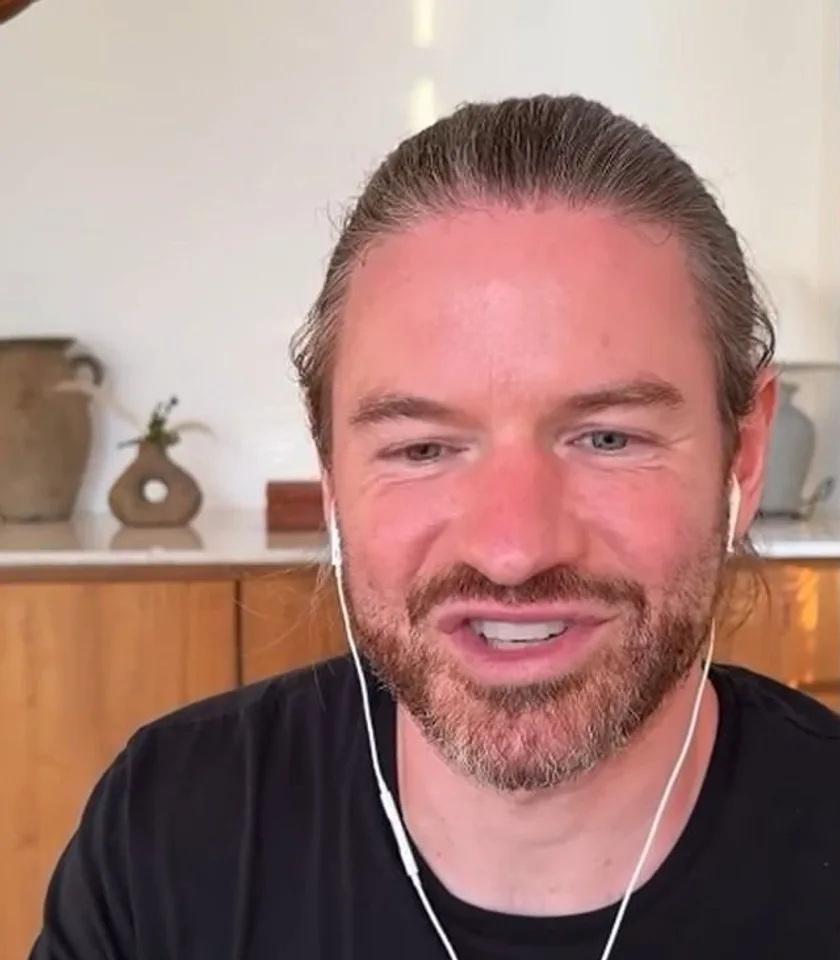
At the core is Roman's model somewhere between founder and investor. With the Rapid Pioneers Group he co-builds companies as a company studio and also invests as an angel, preferably in people he enjoys working with and topics that excite him. Using LAP Coffee as an example, he explains how his thesis shifted from a price play to a community brand, why e-commerce is no longer a tech and BI game and why successful consumer brands end up on every channel, in stores and at events. Moritz calls it the end of attention arbitrage, and Feliks describes a HYROX class in Bali.
Finally they cover experience businesses such as padel, Playtomic and WeRoad, low prices combined with prestige, their joint investment in EterniTeam, which solves SME succession through employee ownership, and Roman's new company The Global Talent He also explains his two frameworks: balance over time and regret minimization.
Numbers from the episode
3 more numbers
What the conversation was mostly about
Chapters
- 00:00Side hustles & the path to becoming a shareholderSide hustles & exits
- 23:47Company building & active dealsCompany building & angel investing
- 42:02International cases & attention arbitrageConsumer, community & offline
- 47:39Offline experience businessesConsumer, community & offline
- 54:01Will low prices matter more in the future?Consumer, community & offline
- 57:03Investment case EterniBusiness succession
- 01:01:29What is Roman Kirsch working on himself?Global Talent & frameworks
Key learnings
- 1
Build your own deal instead of buying into expensive rounds
At Fab, Roman saw that the category behind Amorelie worked, and together with an acquaintance from university he built his own deal around it instead of joining someone else's round as an angel. Feliks sums up the advantages: an insight few people had, no competition with other angels and therefore a significant stake for a comparatively small ticket.
- 2
Invest in people you enjoy working with
Roman's angel thesis is simple: does he like the person, do they give him energy, and does the topic genuinely excite him? Founders he has known for years, such as former employees, are easier to assess. That matters because you often get only a week to decide.
- 3
No track record as an angel? Be useful first
If you can't point to big investments yet, Roman suggests sending founders analyses or concrete suggestions. Feliks adds that hardly anyone takes a few hours to give serious feedback. Those who do, the two agree, are better than 99 percent of the rest.
- 4
In consumer, community and brand win today
Ten years ago e-commerce was a game of tech, BI and performance marketing. Shopify and no-code have commoditized the tech, and Google and Facebook have become almost a black box, Roman says. Today the teams that win are those who understand community and brand, and they have to be present on every channel: Amazon, retail, their own stores, pop-ups and events.
- 5
Watch for experiences people are happy to pay for
Roman's thesis: people spend more on shared experiences, while the share going to physical goods shrinks. Health, travel, sports and entertainment are growing. Examples from the episode are padel with the booking and community app Playtomic, WeRoad with group trips by age cohort, and HYROX with classes and big events.
- 6
A low price plus prestige is a strong combination
Roman points to the principle known in beauty as masstige: a price many people can afford, combined with a brand people are proud to be seen with. Having the cooler brand, the better community and the better price is a win-win strategy, Roman says.
- 7
Build rather than buy when it comes to brands
Asked by Feliks why he doesn't buy companies, Roman says he wants to fall in love with his businesses, and building a brand with a community from scratch is often easier than bending the DNA of an existing company. He sees search funds, private equity or roll-ups as a better fit for SMEs and trades.
- 8
Think in balance over time and regret minimization
Roman sees life as a decathlon: work, friends, family and health don't need to be balanced every month, but over the years. He also asks himself what he would regret not having done in 10 to 40 years. Moritz adds that with more experience, regret minimization can also mean deliberately not doing something.
About the guest
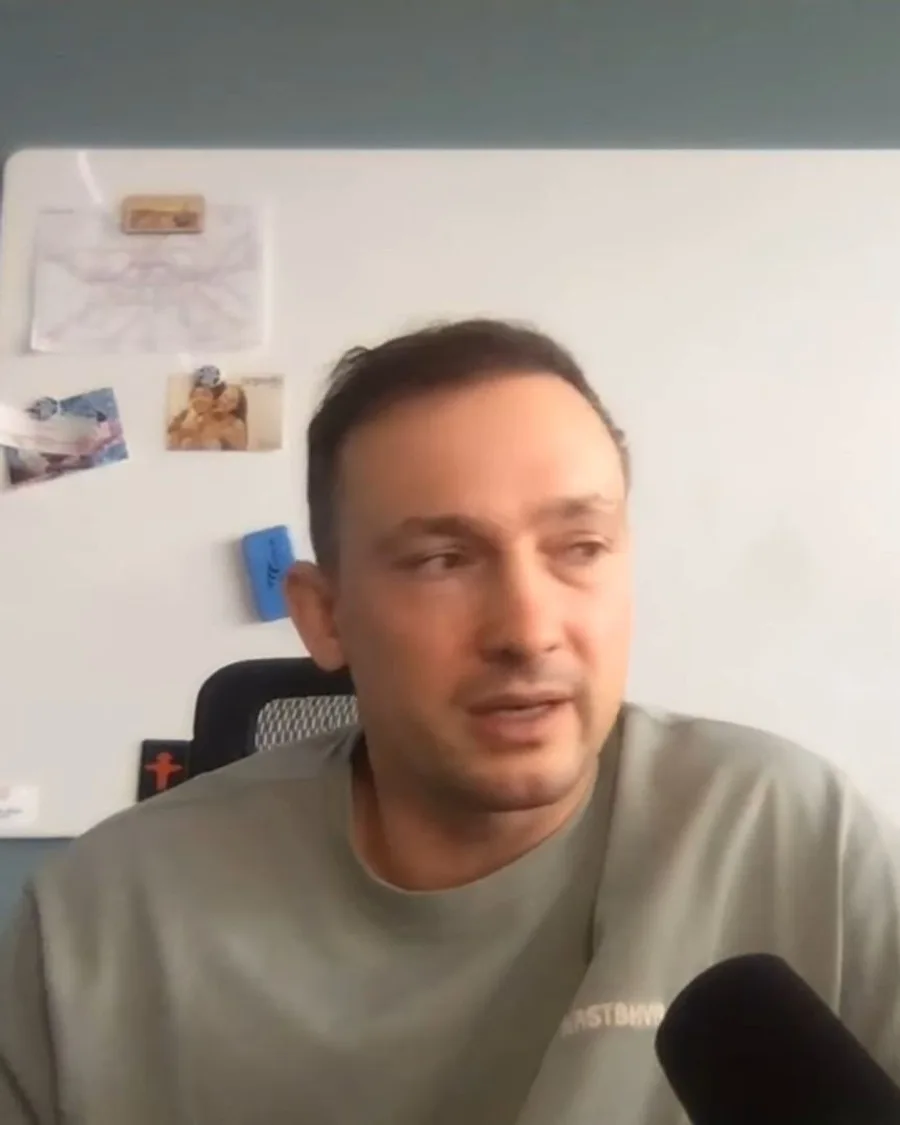
Roman Kirsch
Roman Kirsch was born in 1988, grew up in Hamburg and studied at WHU and the London School of Economics. As a schoolboy he was already merging newspaper routes and reselling discounted perfume on eBay. Straight after university he moved to Berlin and co-founded Casacanda, a furniture shopping club, with two fellow students; the US company Fab.com acquired it within months. He then helped build Amorelie, which ProSiebenSat.1 later bought, and founded the fashion retailer Lesara. Today he builds consumer companies through his holding and company studio, the Rapid Pioneers Group, invests as a business angel and has launched The Global Talent, which places marketing and sales talent from South Africa and Argentina remotely with tech companies in Europe and the US.
FAQ
Who is Roman Kirsch?
Roman Kirsch is a serial entrepreneur and investor based in Berlin. He co-founded the furniture shopping club Casacanda, which was sold to Fab.com, helped build Amorelie and founded the fashion retailer Lesara. Today he builds consumer companies with the Rapid Pioneers Group, invests as an angel and co-founded The Global Talent
How did the Casacanda exit happen?
Shortly before a funding round, Rocket Internet copied the website with Westwing and the VCs withdrew their term sheets. After TechCrunch reported on it, Fab.com got in touch within 48 hours and offered to build the European business together. The sale was paid mostly in shares.
How did Roman get into Amorelie?
At Fab a matching product category was among the strongest, and Roman had a business case for it in his drawer. Together with a friend he invested around 60,000 euros for roughly 12 to 15 percent. Because no VC was allowed to invest and the ad accounts were blocked, Amorelie grew through TV and was sold to ProSiebenSat.1 after two years.
What does The Global Talent do?
The company recruits, trains and supports marketing and sales talent in South Africa and Argentina who work remotely for tech companies in Europe and the US. Roman calls it talent as a service: the company handles contracts and compliance, accepts only the top 3 to 5 percent of applicants and keeps training them, for example in working with AI.
What is EterniTeam?
EterniTeam wants to solve the succession problem of German SMEs: companies that can't find a successor shouldn't close or be sold off cheaply, but pass into the hands of their employees over time, for example at a roofing company, a hair salon or a car repair shop. Feliks and Roman are both investors.
What does Roman mean by balance over time?
Roman compares life to a decathlon: being the best CEO is pointless if health, friends or family fall by the wayside. Not every month has to be balanced, but over the years he wants to invest in every area that matters to him.
Mentioned in this episode
- Rapid Pioneers GroupCompanyRoman's holding and company studio for building consumer businesses.
- CasacandaCompanyRoman's first company, a furniture shopping club sold to Fab.com.
- Fab.comCompanyUS company that acquired Casacanda to build its European business.
- Rocket InternetCompanyCopied Casacanda with Westwing, after which VCs pulled their term sheets.
- AmorelieCompanyRoman's early investment, grew through TV and was sold to ProSiebenSat.1.
- FitviaCompanyD2C brand of Roman's former employee Sebastian Merkhoffer, one of the first influencer marketing cases to be sold.
- FJ LabsCompanyUS investor whose studio deals, according to Roman, deliver the highest returns.
- LAP CoffeeCompanyCoffee chain Roman uses to explain his shift from a price play to a community brand.
- Flash CoffeeCompanySoutheast Asian coffee model at metro stations that Roman initially thought wouldn't transfer to Germany.
- HYROXCompanyFitness race format whose class Feliks joined in Bali.
- PlaytomicProductPadel app combining court bookings with community and a player rating.
- WeRoadCompanyItalian group travel company organised by age cohort, always profitable according to Roman.
- EterniTeamCompanySolves SME succession through employee ownership; Feliks and Roman are both investors.
- The Global TalentCompanyRoman's new company for remote talent from South Africa and Argentina.