
Crisis management
In these episodes, crisis management means a collapsed funding round, a shitstorm, a hack or an app thrown out of the store, and the question of what you do in the first days. Alexander Müller had already prepared the insolvency filing for Greator, Oliver Merkel negotiated with insolvency lawyers in the morning and investors in the afternoon at Flink, and Alisa and Frederik Jahnke spent two months working customer service late into the night at Purelei after Black Friday 2019.
The guests agree that calm on the outside and a small circle help: Moritz Holländer put five people on the App Store case at Almedia while the rest worked as usual, and Oliver Merkel told only his CFO and co-founder. On dealing with the public they disagree. Christoph Jentzsch went for full transparency after the DAO hack and kept the company name Slock.it, Alisa Jahnke personally called the loudest critics, while Fynn Kliemann advises never taking short-term anger online and putting the phone away. Patrick Andrae relies on activity instead of self-pity at HomeToGo, Björn Jopen on hard cost cuts within a week.
These episodes help if your company is sliding into a crisis or you want to prepare for one: how to cut costs, whom to inform, how to talk to investors, customers and critics, and how to get yourself through the phase.
Start with these episodes

Alisa and Frederik Jahnke recount Black Friday 2019, when tens of thousands of zero-euro orders came in and Alisa personally called the harshest critics.
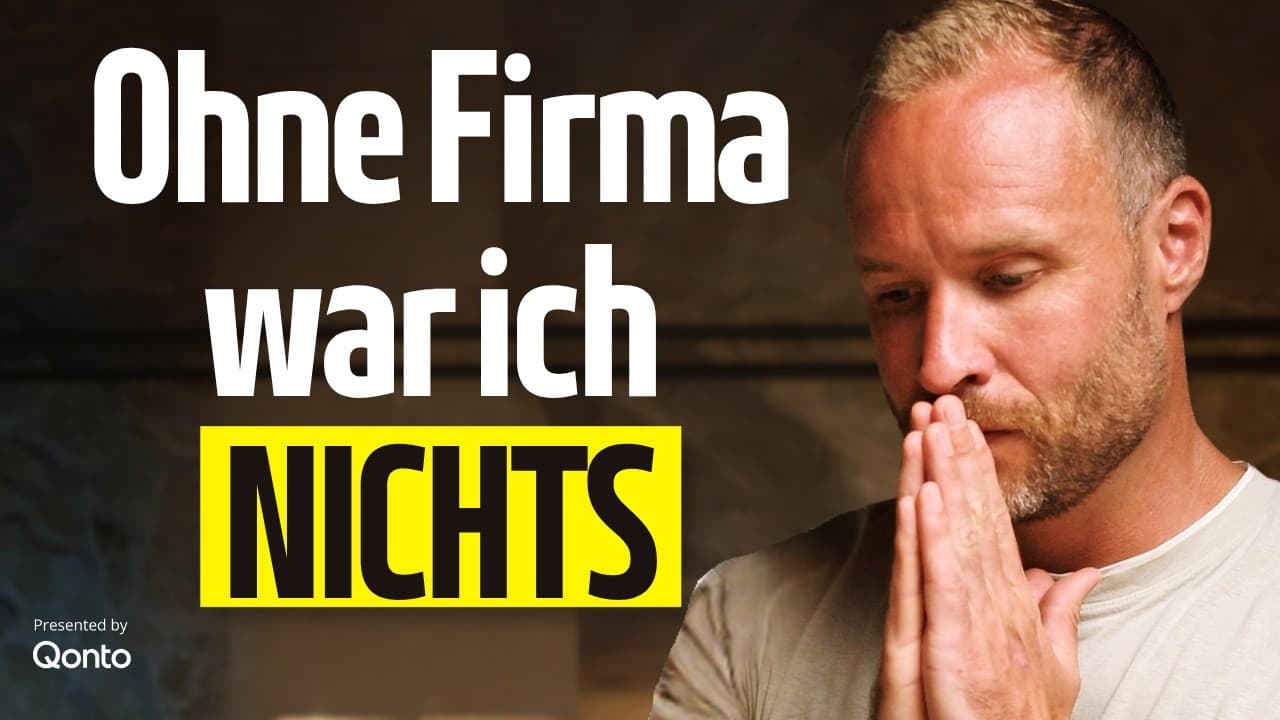
Alexander Müller had prepared Greator's insolvency filing, raised 3 million euros in two or three weeks and made 60 percent more revenue with 60 percent fewer people.
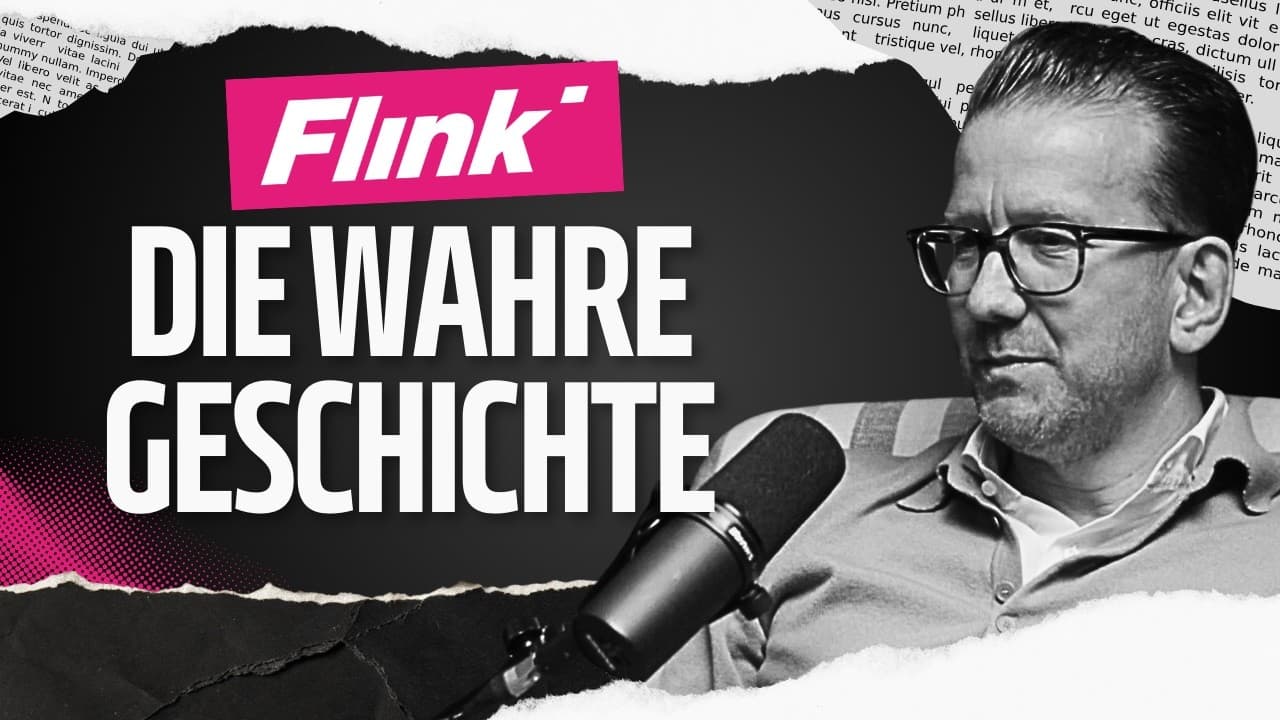
At the end of 2023, Oliver Merkel negotiated with insolvency lawyers, investors and Getir at the same time at Flink, without the team finding out.
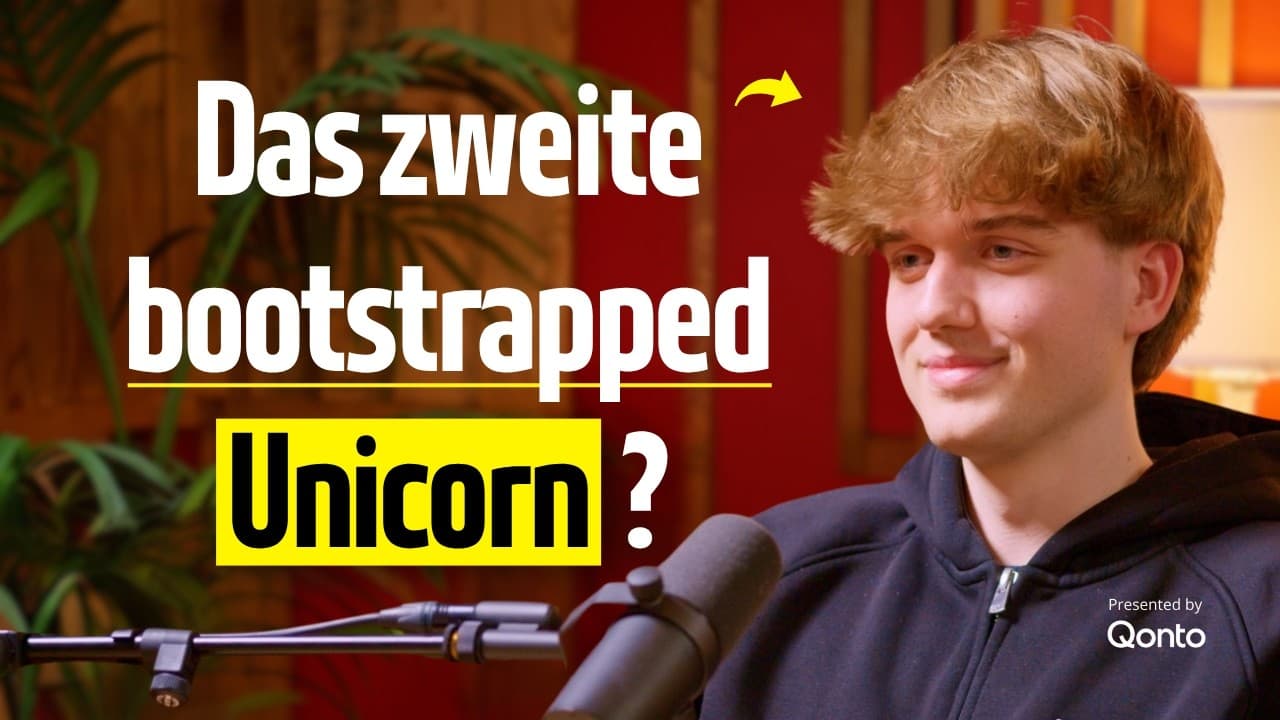
Moritz Holländer explains how Almedia survived 63 days without the App Store and why he now almost sees the crisis as a gain.
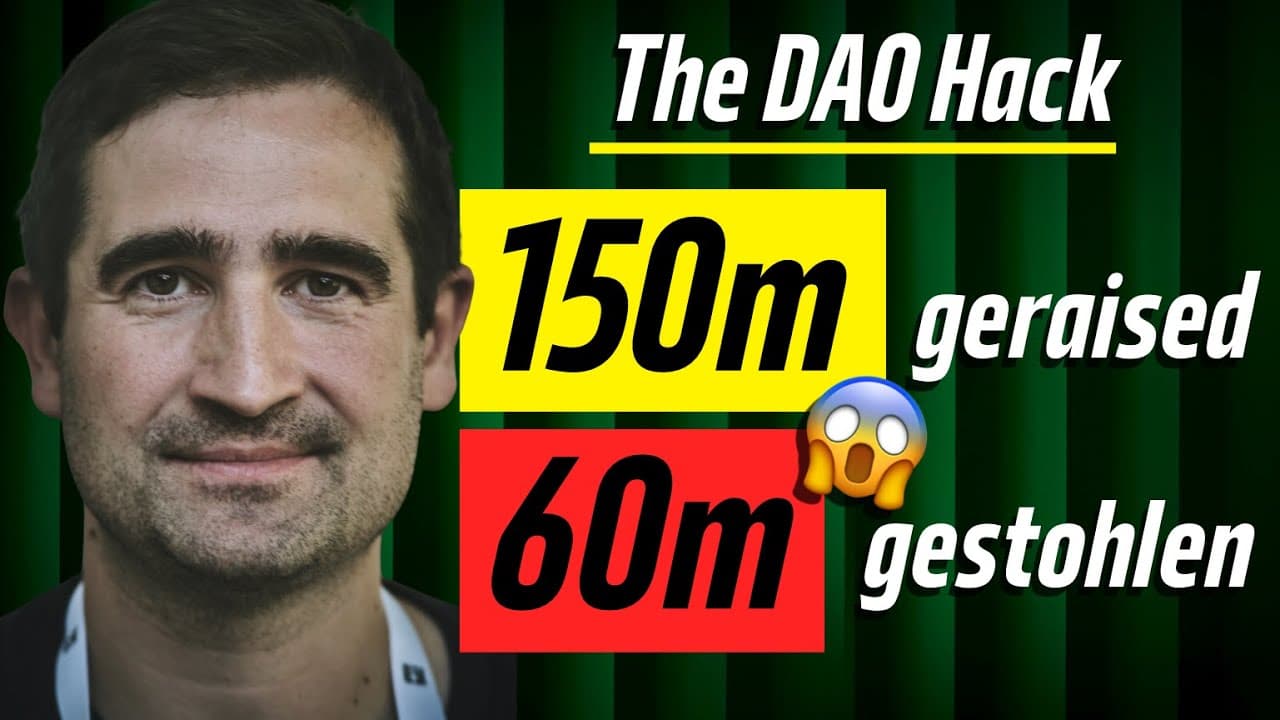
With The DAO, Christoph Jentzsch lost roughly a third of 150 million to a hacker and recovered the money through a hard fork.
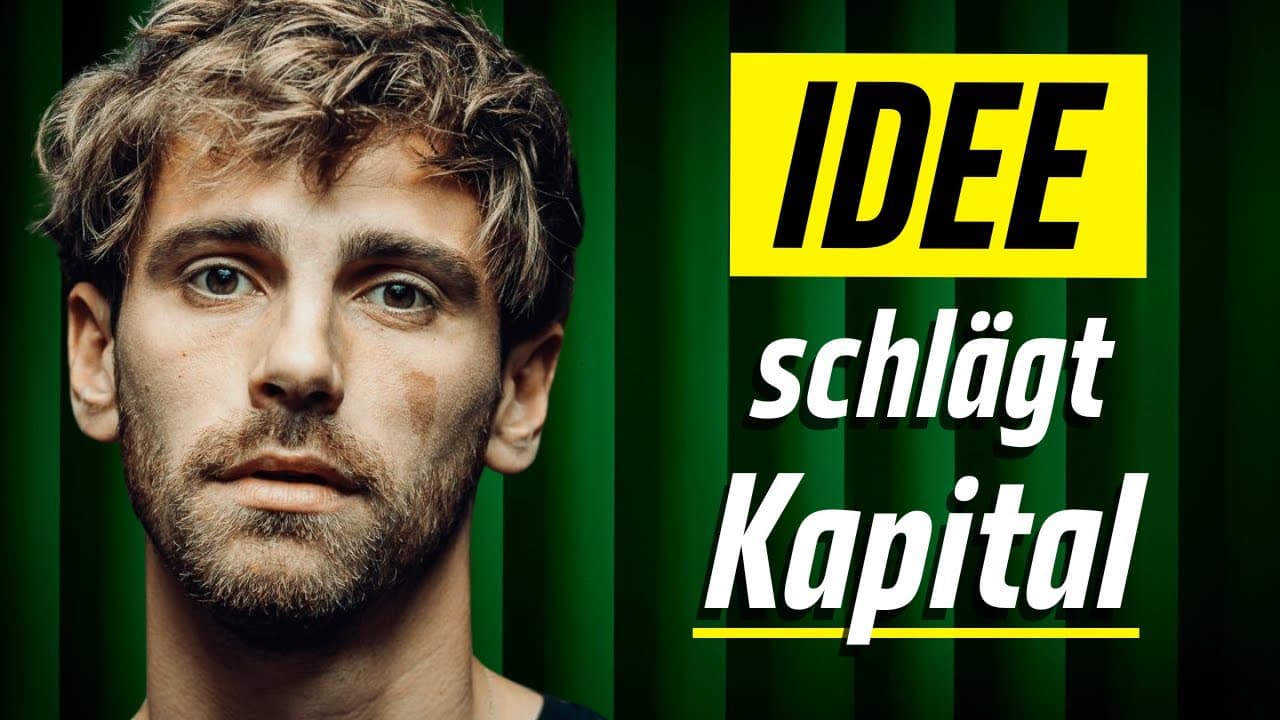
Fynn Kliemann talks about the shitstorm after the Böhmermann piece, two years of cleaning up and his practical tips for people in the same situation.
What you take away from the episodes
- 1
In a crisis, call the loudest critics first
After the Black Friday mistake in 2019, Alisa Jahnke recorded an apology video, wrote to the people with the worst comments and called them to understand their motives. Those very people became fans and helped moderate the situation on social media.
from: Why Purelei still belongs to its founders - 2
Throw cargo overboard, talk about the South Seas
Alexander Müller took Dieter Lange's image of the ship off Cape Horn: throw cargo overboard before the storm, pick a crew that wants to go through it, and tell everyone about the South Seas beyond. The core team signed up immediately, and within a few months Greator was back on course.
from: How do you become Europe's biggest coach trainer? - 3
Blinkers on, build plan B, keep it small
When an investor pulled his commitment at the end of 2023, Oliver Merkel ran the worst-case scenario with insolvency lawyers without the team finding out; only the CFO and his co-founder knew. In parallel he negotiated a sale to Getir as plan B and looked for new investors.
from: The billion-dollar offer and his exit as CEO - 4
Small team on the problem, rest works normally
When Freecash was thrown out of the App Store, Moritz Holländer put five people solely on Apple while everyone else carried on as before. At the same time he had to project calm towards advertisers, competitors and his own team, even though he had doubts himself.
from: Germany's least-known billion-dollar founder is 24 - 5
Handling a crisis well builds trust
After the DAO hack, Christoph Jentzsch stayed honest and transparent and recovered the investors' money through a hard fork. Afterwards he again received investments in the millions and customers who chose him precisely because of that story.
from: He helped build Ethereum, now he is disrupting the commercial register - 6
Put the phone away in a shitstorm
Fynn Kliemann gives people who call him in a similar situation practical tips: take a cold shower, put the phone away, go for a walk and don't read everything. Back then he consumed everything at once himself, and no head can process that.
from: How to win with clever ideas - 7
Think of every stakeholder in a crisis
When Covid closed every studio, Moritz Kreppel sat down with four or five people and planned for each group: livestreams from partner studios for members, day-by-day pausing, 80 percent of fees for the studios, short-time work and virtual shares for employees.
from: From a Betahaus flex desk to Europe's biggest sports flat rate
Quotes from the episodes
„… selbst nach zehn Jahren, ich hänge so an dieser Vision, ich stehe da so dahinter, hinter allem, was wir tun, und das wird jetzt 100.““Even after ten years, I'm so attached to this vision, I stand behind it, behind everything we do, and this is going to turn 100.”
„Der Coaching-Branche wird immer gern nachgesagt, dass das Geldmacherei ist. … Ich wünschte manchmal, dass da mehr dran ist.““People love to say the coaching industry is a money grab. I sometimes wish there were more truth to that.”
„Ich habe mal gelernt in meinem Leben, if people throw money at you, you take it.““One thing I've learned in life: if people throw money at you, you take it.”
„Ich habe gemerkt, dass am Ende des Tages, wenn man sich auf eine Sache fokussiert, wird man die auch schaffen und man kommt da durch.““I realized that in the end, if you focus on one thing, you'll manage it and you'll get through.”
All 11 episodes on crisis management
FAQ
How should you behave in a shitstorm?
Fynn Kliemann advises putting the phone away, going outside and not reading everything; taking short-term anger straight online is never a good idea, he says. At Purelei, Alisa Jahnke went towards the customers and personally called the harshest critics, who then became fans. When Flink had a data breach, Oliver Merkel went on the offensive, emailed all 3,600 customers and cooperated with the authorities.
What do you do when a funding round collapses?
At Flink, Oliver Merkel ran the worst case with insolvency lawyers, negotiated a sale to Getir in parallel and looked for new investors; Flink was saved with a convertible loan. Alexander Müller called the insolvency lawyer for Greator and then raised 3 million euros in two or three weeks from a strategic investor who knew the numbers. According to Patrick Andrae, a bridge financing with existing investors helped HomeToGo in spring 2020, along with savings and short-time work.
How does a company survive a sudden revenue collapse?
At HomeToGo, bookings fell 90 percent in April 2020; Patrick Andrae relied on activity instead of panic, and by June the company was well above double the bookings of 2019. At Urban Sports Club, Moritz Kreppel passed 80 percent of fees on to the studios and says it was mainly corporate clients that carried the company through. At Aleph Alpha, Jonas Andrulis lost 700,000 euros in promised orders when Covid hit and, by his own account, considered closing the company.
How do you turn around a loss-making company?
At Cornelsen's e-learning business, Björn Jopen announced site closures within a week, parted with more than 50 of the 83 employees, cut software costs from 650,000 to 250,000 euros and visited every customer in person; after six months the company was break-even. By his own account, Alexander Müller made 60 percent more revenue in 2022 with 60 percent fewer employees, once he was fighting for a purpose at Greator again instead of against collapse.