Silicon Valley insider: AI, startups and the future of learning
with Christian Byza, Serial founder, founder of learn.xyz and co-founder of OMR
Summary
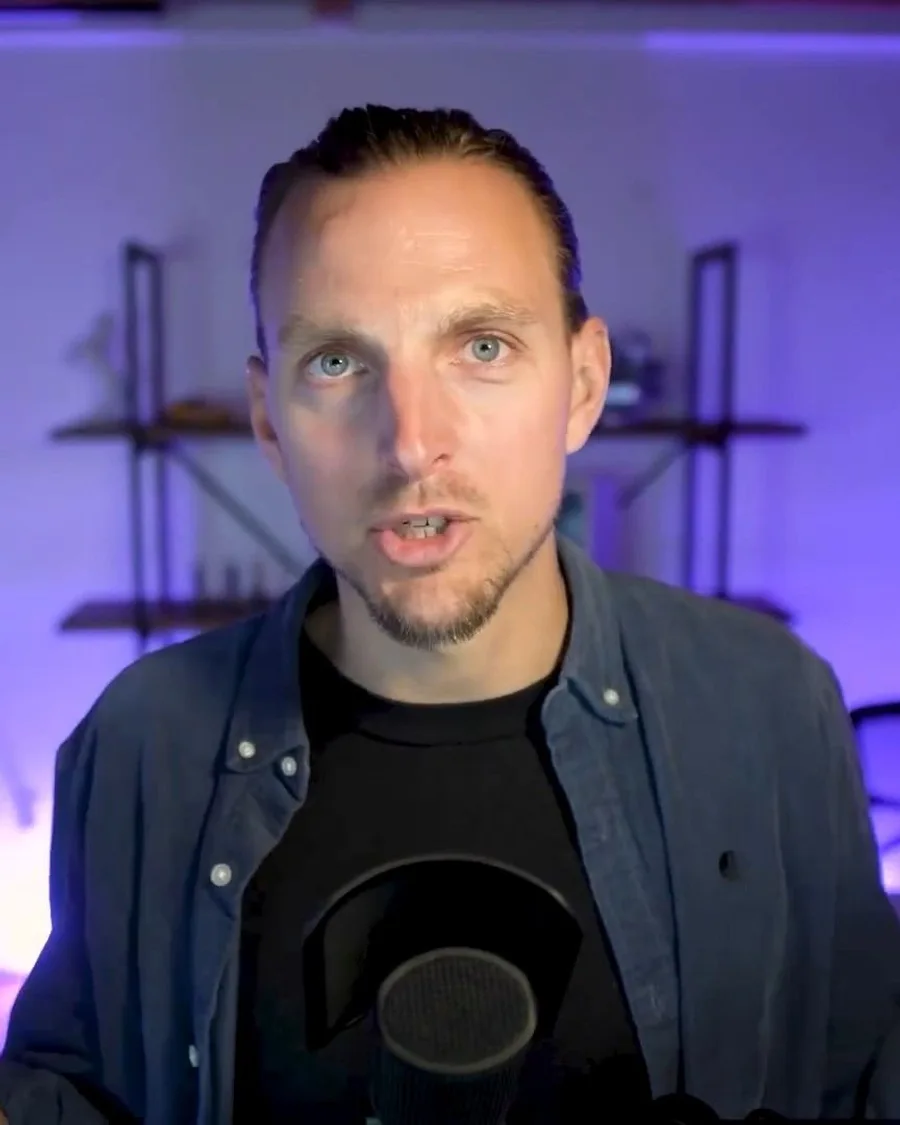
Feliks talks to Christian Byza, who has lived in Silicon Valley for about twelve years, on a live call from Berlin to San Francisco. It is the first episode Feliks hosts on his own. Christian describes House of AI, his co-working and event space of around 600 square meters. He built it to increase the "serendipity of Silicon Valley": founders rent desks, VCs and accelerators host events there, and German delegations pay 1,500 dollars for a talk. According to Christian it brings in around 250,000 euros a year, is profitable and covers his rent as an early-stage founder.
Then they turn to the mood in the city: DeepSeek, Perplexity, how the tech scene relates to Trump, and why Christian sees San Francisco as the perfect place thanks to opportunity, talent and weather. He talks about his WhatsApp group of 90 German dads, about the J-1 visa he wants to use to bring a designer over from Germany, and about cultural differences: small talk at the supermarket checkout on one side, Germany's Mittelstand as a role model on the other.
The core of the episode is learn.xyz. The platform makes learning at work as playful as a language app; companies upload their own documents and turn them into courses within seconds. Christian walks through how they got there: a learning platform for crypto, early AI experiments before the ChatGPT moment, a consumer app that reached 100,000 users within a few weeks and then collapsed after Christmas, and the shift to B2B. When two large enterprise deals fell through, the team switched to design partners and had 17 customers at the time of recording.
Finally they look back at OMR's early years, from an online marketing breakfast to the Große Freiheit 36 club and on to the trade fair halls, where exhibitors took over the marketing. Christian shares business ideas he finds exciting: succession in Germany's Mittelstand, a private garbage collection service, family hotels and better link-tracking software. He closes by explaining his motto "No Bad Days", which he picked up from Satya Nadella.
Disclosure: Feliks mentions in the episode that his micro fund W3 Fund has invested in Christian's startup.
Numbers from the episode
4 more numbers
What the conversation was mostly about
Chapters
- 00:00House of AI: a place to meetSan Francisco & Silicon Valley
- 05:06The pace of AI startups in San FranciscoSan Francisco & Silicon Valley
- 06:29Political mood and the tech industrySan Francisco & Silicon Valley
- 16:02The German community in Silicon ValleySan Francisco & Silicon Valley
- 18:24The challenge of recruiting in San FranciscoSan Francisco & Silicon Valley
- 19:24Cultural differences and mindset between Germany and the USSan Francisco & Silicon Valley
- 28:38Building learn.xyz: a new approach to learning at worklearn.xyz & B2B sales
- 44:38Challenges in B2B sales and design partnershipslearn.xyz & B2B sales
- 50:39Target groups and ideal customer profiles for the learning platformlearn.xyz & B2B sales
- 54:55How OMR came aboutOMR & events
- 01:01:42Transforming the event venueOMR & events
- 01:13:39Growth and challenges of a bootstrapped businessOMR & events
- 01:15:21New business ideas and trendsBusiness ideas
- 01:25:05The "No Bad Days" motto and a positive attitudeMindset
Key learnings
- 1
Create a place where serendipity happens
Christian wanted to increase the "serendipity of Silicon Valley": the chance that interesting people come to him without any effort on his part. With House of AI he built a space where founders rent desks and VCs and accelerators host events. German delegations pay him 1,500 dollars for a talk, and according to Christian, three of them often become customers afterwards.
- 2
Orchestrate your intros
Christian's hack for getting meetings with VCs, journalists or talent: he makes sure several people message the person on the same day, suggesting they meet him. If five people tell you the same thing in one day, it feels like coincidence. That is also how learn.xyz got coverage in Handelsblatt, Wirtschaftswoche and TechCrunch.
- 3
Save every contact with context
In his first job Christian was told to put everyone he ever meets into a Rolodex. Today he adds everyone on LinkedIn and always sends a message, so years later he still knows where they met. His line for it: "message is a date, connection is the marriage".
- 4
Listen to customer pull
learn.xyz's consumer app reached 100,000 users within a few weeks and then collapsed after Christmas, because in January people go to the gym and book holidays. At the same time companies kept asking for a corporate version. The team resisted at first, but then built the B2B product because it saw a hard use case and willingness to pay there.
- 5
Don't rely on a single champion
While building the product, learn.xyz chased two huge deals: a large consulting firm and a very large search engine. At the consulting firm the champion suddenly retired, and at the search engine their contact turned out to have no decision-making power. In October the team had not a single customer.
- 6
Work with design partners, not just customers
After the lost deals the team set itself a goal: at least ten customers by the end of November, or they would need a different plan. Design partners pay, but they also get their own Slack, Teams or WhatsApp channel and a call every two weeks. When two customers asked for better user management, the team showed mockups on Monday and shipped on Thursday.
- 7
Let others multiply your marketing
When OMR moved into the trade fair halls, the event grew from 3,500 to 16,000 visitors, according to Christian. The trick: a trade fair with many exhibitors. They want to invite their own customers and so take over the marketing for you.
- 8
Find ideas in what annoys you
Christian and his co-founder keep a list of things that annoy them. It produces ideas like a better link-tracking tool, because Branch feels outdated and slow to them, or family hotels with proper family rooms instead of four people in one king-size bed. Feliks sums it up: look at what you already pay for that still works badly.
About the guest
Christian Byza
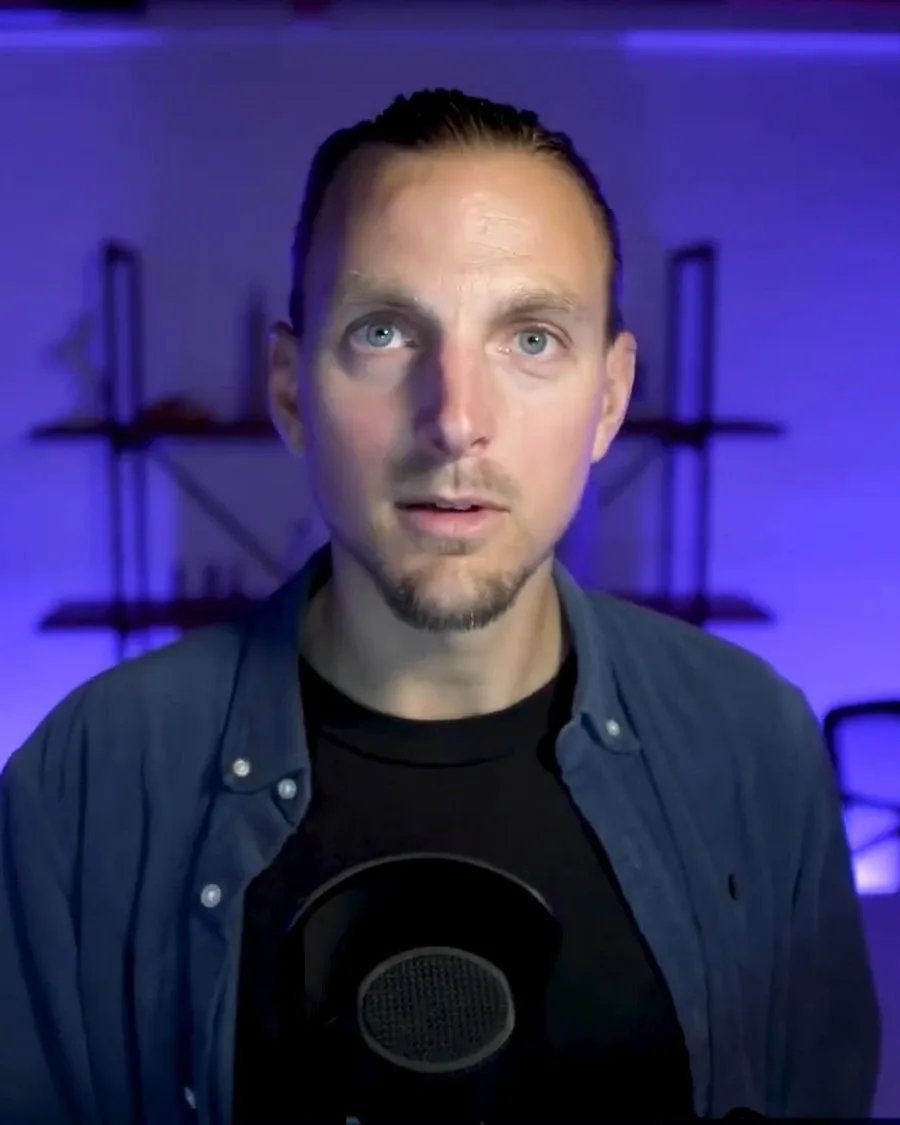
Christian Byza co-founded OMR with Philipp Westermeyer and has lived in San Francisco for about twelve years. After Adobe acquired the Hamburg startup he was working for, he moved to Adobe's headquarters; LinkedIn then hired him, first to run its German business and later as a product manager. About three years ago he founded learn.xyz, an AI-powered learning platform for companies that feels like a language-learning app. On the side he runs House of AI, a co-working and event space of around 600 square meters, and hosts the podcast OMR Silicon Valley Update.
FAQ
What is learn.xyz?
learn.xyz is an AI-powered learning platform for companies, founded by Christian Byza in San Francisco about three years ago. It feels like a language app, is mobile-first and heavily gamified. Companies upload their own material, such as an employee handbook or a piece of legislation, and turn it into courses with quiz questions within seconds. learn.xyz itself has no access to its customers' content.
What is House of AI?
House of AI is Christian's co-working and event space in San Francisco: around 600 square meters over two floors, with an outdoor area, a podcast studio and a DJ booth. About 20 founders work there, and VCs and accelerators host events. According to Christian the side business makes around 250,000 euros a year and is profitable. He openly calls the name a marketing term: nobody wants to work in the learn.xyz office, but everyone wants to come to House of AI.
What are design partners at learn.xyz?
Design partners are paying customers who work closely with the team to sharpen the product. They start for three months and get their own Slack, Teams or WhatsApp channel plus a call every two weeks. The first ten paid 500 dollars a month; after three months the price is renegotiated based on headcount.
How did OMR start?
After university, Christian wanted to launch a conference in Hamburg. A mutual friend introduced him to Philipp Westermeyer, and as a test the two ran an online marketing breakfast with around 200 guests. Afterwards Philipp brought him on as a co-founder of OMR. For the first proper conference they set a revenue target of 100,000 euros; later they moved from the Große Freiheit 36 club via the harbour theatre into the trade fair halls.
Which business ideas does Christian Byza find exciting?
Christian points to succession in Germany's Mittelstand, where many companies with millions in revenue have no heirs, and mentions Florian Adomeit of AMBER and DEALCIRCLE. He also likes "mom and pop" businesses such as a private garbage collection service in the US, family hotels with proper family rooms, alcohol-free beer that actually tastes great, and better link-tracking software.
What does "No Bad Days" mean?
Christian adopted the motto from Microsoft CEO Satya Nadella, for whom, as he puts it, he more or less worked directly while at LinkedIn. The idea: stay positive at work, because what matters in life is that you, your family and your friends are healthy. If a customer cancels, you simply move on. Christian admits he doesn't always manage it and lets his team remind him.
Mentioned in this episode
- OMRCompanyHamburg marketing festival that Christian co-founded with Philipp Westermeyer.
- Philipp WestermeyerPersonOMR founder who brought Christian on as co-founder after the online marketing breakfast.
- DeepSeekProductChinese AI model that was the talk of San Francisco at the time of recording.
- PerplexityCompanyIntegrated DeepSeek within a weekend, according to Christian.
- Holger LuedorfPersonEx-Yahoo and Foursquare, Christian's main inspiration to become an entrepreneur again.
- Rene ReinsbergPersonCelo founder who offered Christian 100,000 dollars to start his own company.
- Reid HoffmanPersonLinkedIn founder; Christian won a lunch with him at a product offsite.
- Brian JohnsonPersonLongevity entrepreneur whose motto "Don't die" Christian quotes.
- PelotonCompanyInitially got no money from San Francisco VCs, who'd rather ride road bikes outdoors.
- Florian AdomeitPersonBuilding a marketplace for Mittelstand succession with AMBER and DEALCIRCLE.
- FamiluxCompanyFamily hotels cited as an example of Christian's idea for more child-friendly hotels.
- BranchToolLink-tracking tool learn.xyz uses and that Christian finds outdated and slow.
- Satya NadellaPersonMicrosoft CEO from whom Christian adopted the "No Bad Days" motto.
- OMR Silicon Valley UpdateTV showChristian's podcast interviewing Germans in the Valley; season two starts in February.