
Who this is
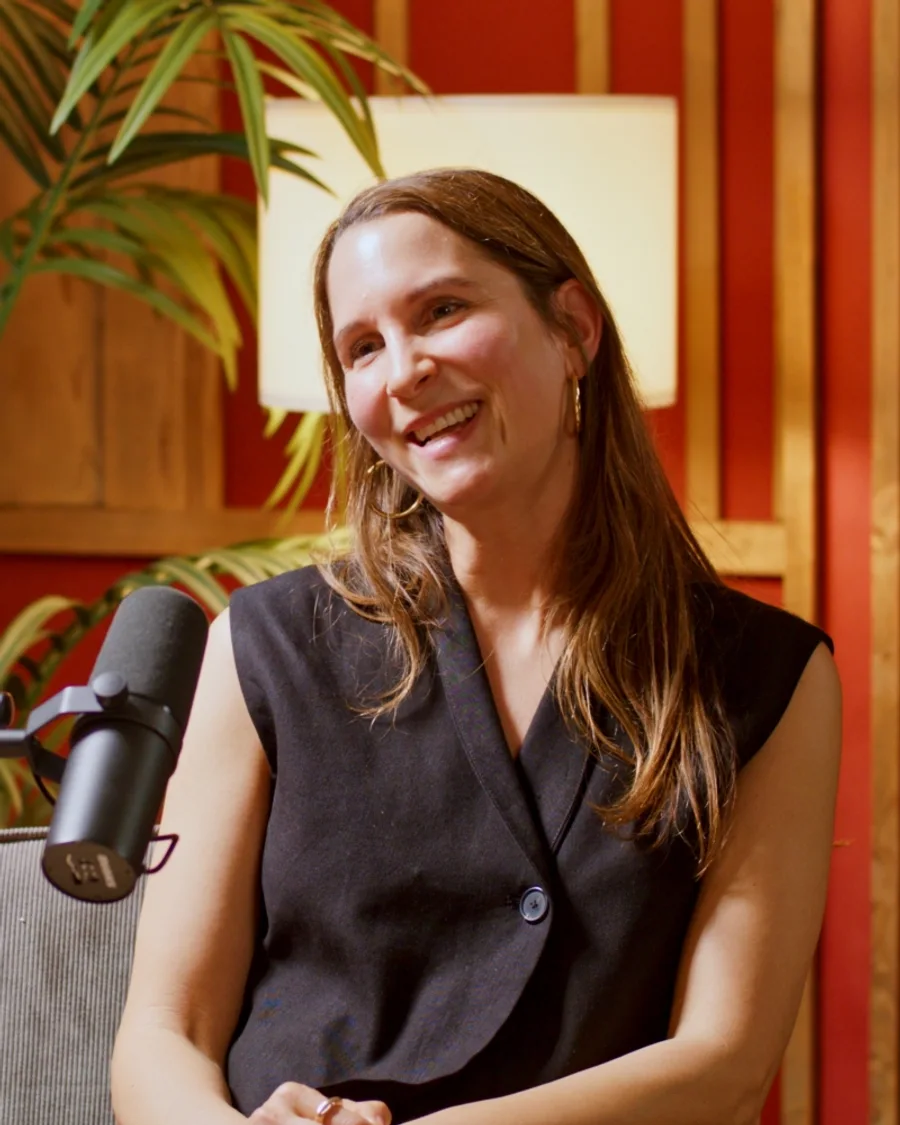
Jenni Baum-Minkus founded gitti on her own in Berlin in 2018, without any contacts in the cosmetics industry. Before that she was a corporate kid: her first job was at Henkel, and most recently she worked in HR at Coca-Cola. gitti makes nail products without the ingredients that used to be standard, which she calls "skincare for nails". The first batch sold out in under two hours, and within three years revenue went from zero to 7.5 million euros. On Die Höhle der Löwen, Germany's version of Shark Tank, all five investors wanted in, and in total she has raised around 10 million euros. After a burnout, two restructurings and a return to the core nail business, gitti is now in every Douglas store in Germany and Switzerland, and its kids line is sold at the drugstore chain dm.
Episodes
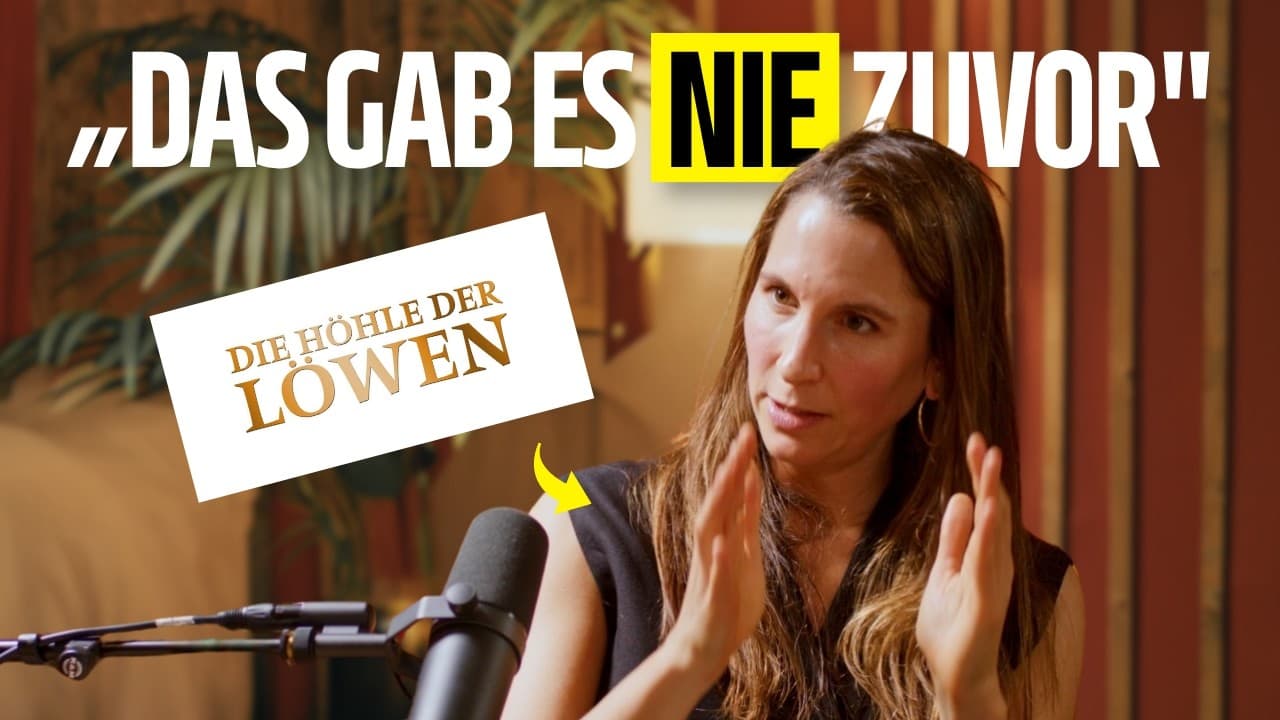
Numbers from the episode
FAQ
What is gitti?
gitti is a nail care brand that Jenni Baum-Minkus founded on her own in Berlin in 2018. She describes it as "skincare for nails": nail products so good you could rub them on your skin, without the ingredients that used to be standard. Besides nail polish, gitti offers treatment polishes that strengthen the nail while you wear them, plus a children's line called gitti Kids. To the episode →
How did gitti get started?
Jenni worked on the first product for a year and a half and launched with four products. She built the community on Instagram beforehand. The first batch sold out in under two hours, and after that the shop only stayed open until the stock was gone. In the first year that added up to a little over 315,000 euros in revenue across nine sales days. To the episode →
Why didn't gitti's expansion work?
The roughly 10 million euros raised were meant to take gitti into make-up and facial skincare and into countries such as France, Italy, Spain and the Nordics. But to customers gitti remained healthy nail polish, customer acquisition costs exploded and every new category meant new labs and a lot of complexity. The German playbook didn't work abroad either. Jenni stopped facial skincare in summer 2025, cut back make-up and restructured twice. To the episode →
How important is retail for gitti?
According to Jenni, retail accounts for 20 percent of revenue, is very profitable and growing. gitti is in every Douglas store in Germany and Switzerland and in premium department stores such as KaDeWe, Oberpollinger and Breuninger, while the kids line is sold at dm. With Douglas there are exclusive sets and a spot in the Advent calendar. To the episode →
How did Jenni Baum-Minkus experience her burnout?
Looking back, the warning signs were there for a long time: two years without a period, very little sleep, working on her wedding day and up to four days before giving birth. She ignored them because the period felt like a high. After her stay in a clinic, therapy and body therapy helped her. Today she clearly separates work from time with her daughter and stays off her laptop and phone for the hour before bed. To the episode →
Quotes
„Aber irgendwo hinzugehen und zu sagen, das was anscheinend mein Lebenspurpose ist, zu verbessern, ist Nagellack, war lange Zeit super, super schwierig.““But going somewhere and saying that what is apparently my life's purpose to improve is nail polish was really, really hard for a long time.”
„… ich kann den Karren so krass in den Dreck fahren, das glaubst du nicht. Die Scheiße spritzt rechts und links. Ich kriege den wieder raus.““I can drive the cart deep into the mud, you wouldn't believe it. The muck splashes left and right. I'll get it out again.”
„… du hast keinen Co-Founder, also du bist alleine und du bist Frau und du bist First-Time-Founder, keiner investiert in dich. Und das war natürlich dann so, wie du sagst mir nicht, was nicht geht. Jetzt erst recht.““You have no co-founder, so you're alone, you're a woman and you're a first-time founder, nobody will invest in you. And of course my reaction was: you don't tell me what's not possible. Now more than ever.”
„Und dann so viel Arbeit und Zeit und Geld und dann zu entscheiden, stoppen wir. Das war hart, das habe ich dann 2025 im Sommer gemacht, aber das war richtig.““So much work and time and money, and then deciding to stop. That was hard, I did it in summer 2025, but it was right.”
„Du hast schon was erreicht, dass dich jemand anfragt, aber die Arbeit fängt erst dann an, weil du musst abverkaufen.““You've already achieved something if someone approaches you, but that's when the work starts, because you have to sell through.”