
Who this is
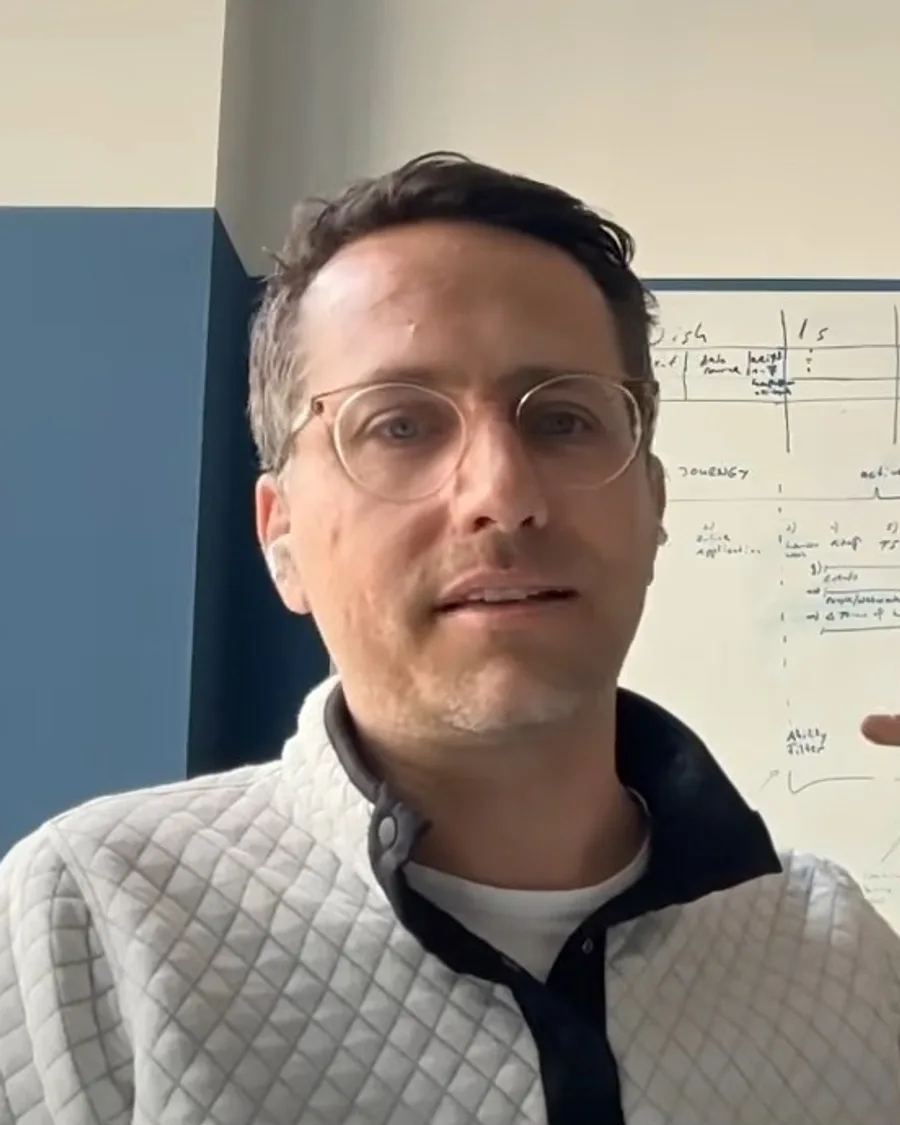
Sebastian Schuon studied electrical engineering at TU Munich and went through CDTM himself, the Center for Digital Technology and Management, an interdisciplinary add-on program run by TU and LMU Munich. A CDTM project with the price comparison site billiger.de turned into Stylight, a fashion search engine that he and his co-founders grew to around 250 people and sold to ProSiebenSat.1 for 80 million euros. As an angel he backed his CDTM peer Hanno Renner and Personio early on. He then co-founded Alasco, financial software for large construction projects, ran it as CEO for six years and handed over the role at around 140 employees. Today he builds new companies in Munich with Schub, runs a small accelerator called Schub Space, bought the dental billing firm Clinero together with business angels, and serves part-time as Managing Director of CDTM, which has existed for 27 years.
Episodes
Numbers from the episode
FAQ
What is CDTM?
CDTM (Center for Digital Technology and Management) is an interdisciplinary add-on program in Munich that students complete alongside their main degree over roughly two years. Business students, techies, electrical engineers, and now also medics and psychologists work in teams with corporate partners. There are three core courses (Trend Seminar, Managing Product Development, E-Lab) plus electives and a semester abroad, for example at Berkeley or Stanford. CDTM is run by ten PhD students, has existed for 27 years and, according to Sebastian Schuon, has produced around 260 companies. To the episode →
How does CDTM select its students?
Around 1,000 applications a year compete for two classes of 25 places each, so the acceptance rate is about 4 percent. Selection is based not only on intellectual ability but on social fit: there is a personality interview and a case study in which business students get a tech problem and techies get a business problem. A professor or assistants plus one or two alumni sit in on every interview. The test question for humility: what do you attribute your success to? To the episode →
How is CDTM funded and what does the CDTM Venture Fund do?
CDTM doesn't fit classic university metrics, so it raises money itself: project partners such as Siemens, or billiger.de back in the day, pay for the courses. In total, according to Sebastian Schuon, around 20 million euros in capital have gone into CDTM, while its alumni have generated around 380 million in taxes according to a doctoral thesis. The CDTM Venture Fund belongs to the alumni association, only alumni may invest, and it takes part in every alumni pre-seed round with up to 100,000 euros, like an index fund, never as lead. To the episode →
Who is Sebastian Schuon?
Sebastian Schuon is Managing Director of CDTM in Munich, co-founder of Stylight (sold for 80 million) and founder of Schub. Stylight grew out of a CDTM project with billiger.de to around 250 people. He then spent six years as CEO of Alasco, financial software for large construction projects, and stepped out of the operating role at around 140 employees. Early on he invested as an angel in Personio, founded by his CDTM peer Hanno Renner. To the episode →
What is Schub and what does it have to do with Clinero?
Schub is Sebastian Schuon's venture builder in Munich, run by a team of three, alongside Schub Space, a small accelerator with a physical space, weekly coaching and talks. Sebastian's thesis: AI sells services, not software. That's why Schub and a few business angels bought Clinero, a dental billing office with just under ten employees, found by cold calling like a search fund. There, the existing billing processes are first automated with agents and then optimised. Other categories Sebastian names: tax, debt collection, insurance and claims management. To the episode →
What would Sebastian Schuon found in Munich today?
Deep tech or defense, even though he calls himself a software person. He is drawn to the hard journey of a deep tech company like Isar Aerospace, where you don't carry the product-market-fit risk: if you build a fusion reactor, you don't wonder whether anyone needs cheap electricity, and if you build good drone defense, the German armed forces will come knocking. The only question is whether the technology can be built. His advice to first-time founders: write to experienced founders on LinkedIn with three specific questions. To the episode →
Quotes
„… der ganz große Trick, dass man den Leuten im Team sie vor Aufgaben stellt, die schwieriger sind als das, was sie je getan haben. Und daran wachsen sie dann einfach automatisch.““The big trick is to confront people in teams with tasks that are harder than anything they have ever done. And then they simply grow automatically.”
„Ich glaube, das ist, dass Leute das Heft in die Hand nehmen, selber handeln, loslegen, Verantwortung übernehmen. Machen.““I think it means people taking charge, acting themselves, getting started, taking responsibility. Doing.”
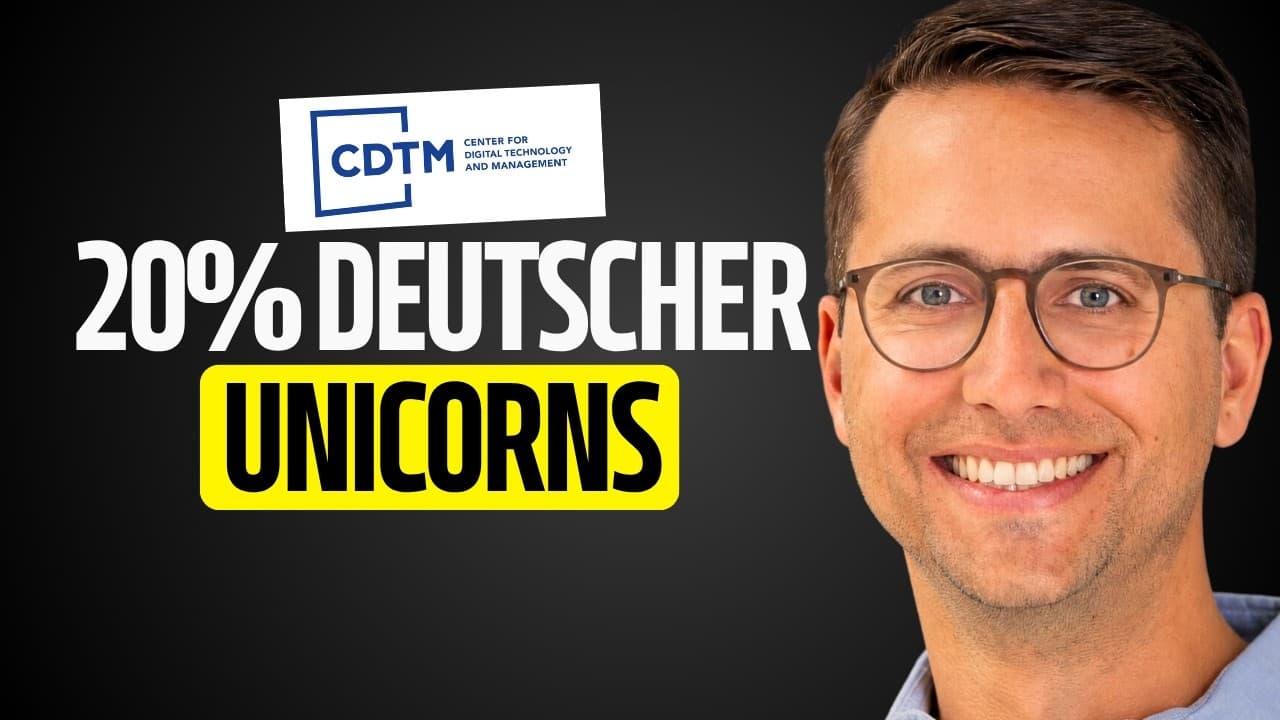
„Wenn wir nur 20 Unicorns haben, das rettet ja Deutschland nicht.““If we only have 20 unicorns, that won't save Germany.”
„… den Bestandsprozess gar nicht zu ändern, sondern den mit Agents zu automatisieren. Und erst wenn man ihn dann automatisiert und auch verstanden hat, mal anzufangen, ihn zu optimieren.““Don't change the existing process at all, automate it with agents. And only once you have automated and understood it, start optimising it.”
„Das ist schon alles machbar. Wir kochen einfach wirklich nur mit Wasser. Und ja, es ist ganz oft schief gegangen. Man redet halt nicht so gern drüber.““All of this is doable. We really are just ordinary people. And yes, it went wrong a lot of the time. People just don't like to talk about it.”