
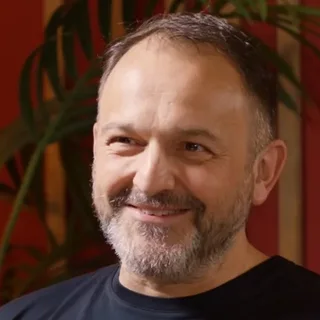
Who this is
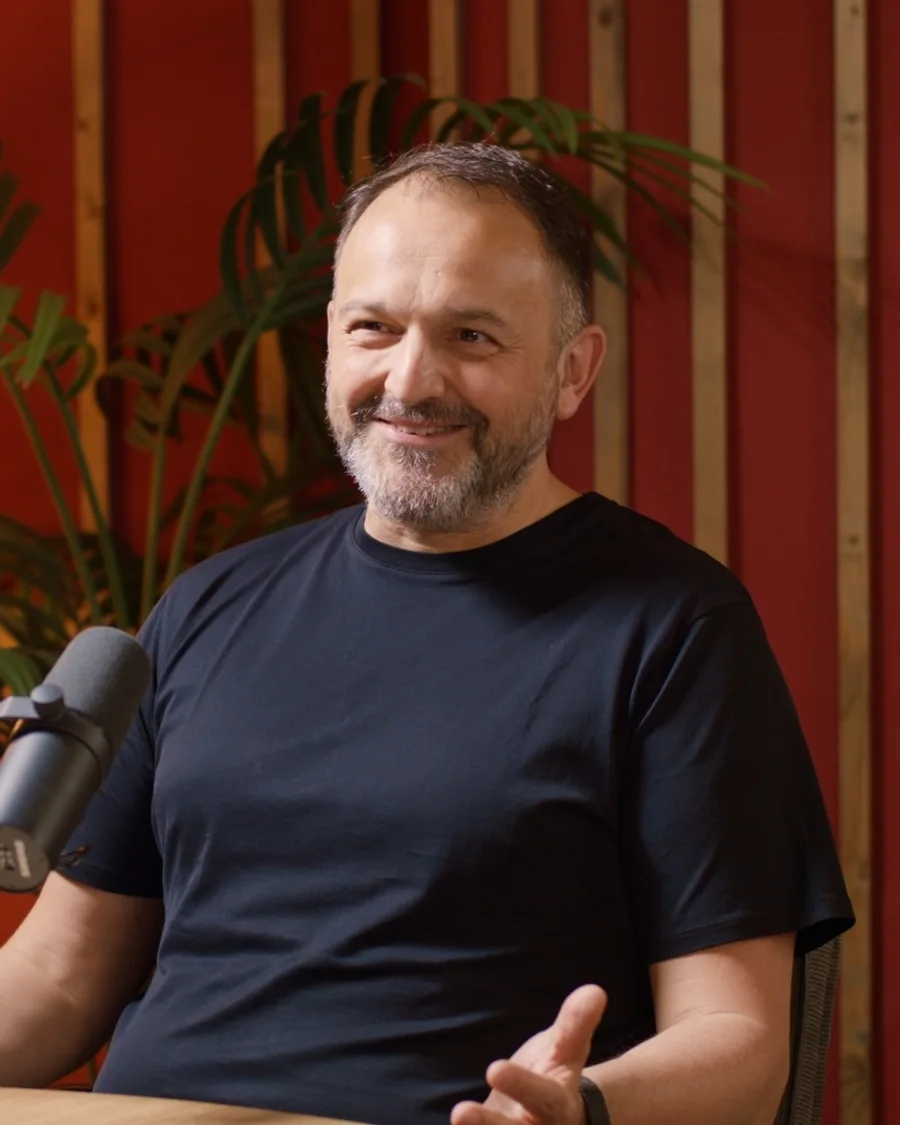
Mirko Novakovic is a serial founder from Solingen, Germany. His father came to Wuppertal from Yugoslavia as a guest worker in 1968; Mirko grew up in a 64-square-metre flat, started working at 14 and entered the monitoring software market at IBM in 1999. With codecentric he built a consulting firm of around 500 people, in 2015 he founded Instana and sold it to IBM in December 2020 for 500 million. After a two-and-a-half-year break with 85 angel investments, a coworking space and restaurants in Solingen, he founded Dash0 in 2023, an observability platform built on the open OpenTelemetry standard. Dash0 now has 170 employees, is approaching 20 million ARR and has raised close to 150 million, most recently a 110 million Series B. On the side, Mirko owns 50 percent of the olive oil brand Jordan Olivenöl from Solingen.
Episodes
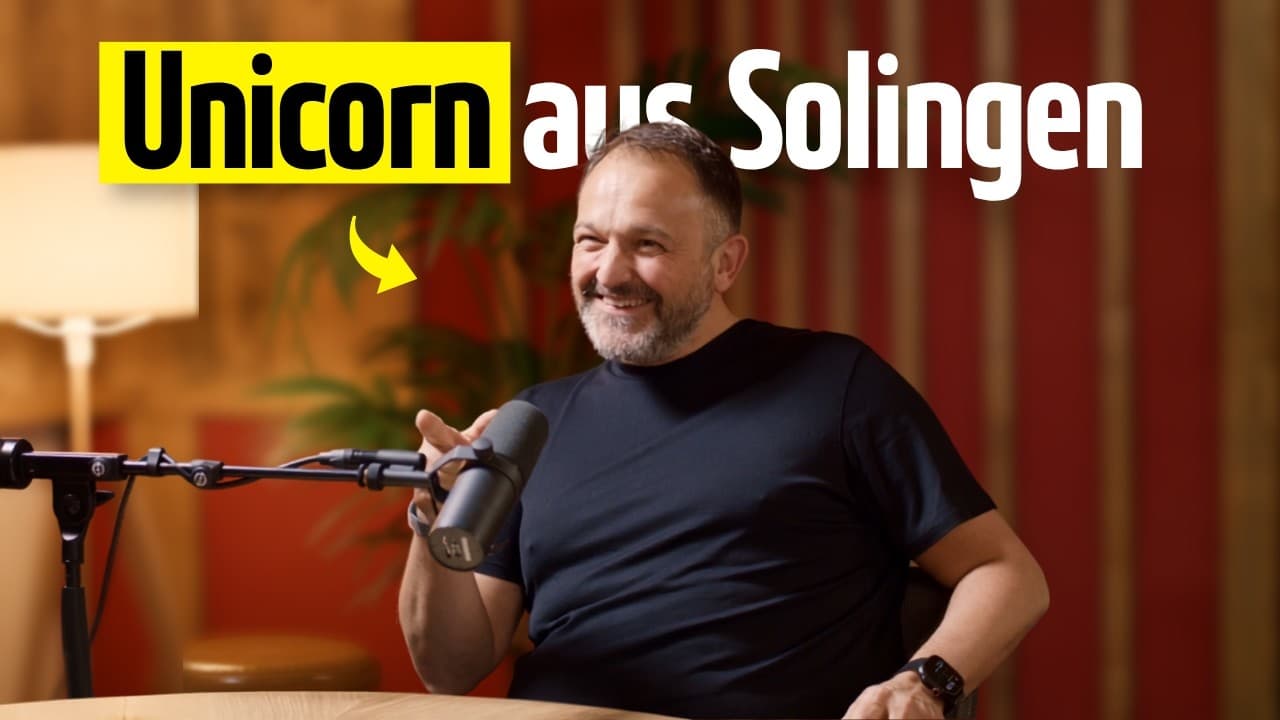
Numbers from the episode
FAQ
Who is Mirko Novakovic?
Mirko Novakovic is a serial founder from Solingen, Germany, and the founder and CEO of Dash0. He entered the monitoring market at IBM in 1999, built the consulting firm codecentric to around 500 employees and in 2015 founded Instana, which he sold to IBM in December 2020 for 500 million. He then made 85 angel investments, including in n8n, and turned a listed former bakery in Solingen into a coworking space. To the episode →
What does Dash0 do and what is observability?
Observability software is the control centre for computer programs: it collects logs, metrics and traces from hundreds of microservices and shows where something is slow or broken. According to Mirko the market is around 40 billion, and Datadog, the biggest player, makes about 4 billion in revenue. Dash0 builds on the open OpenTelemetry standard and transparent pricing, has 170 employees, is approaching 20 million ARR and has raised close to 150 million. To the episode →
Which sales channels work best according to Mirko Novakovic?
In-person formats rank highest: dinners with CTOs at 3,000 to 5,000 euros per evening and trade shows like KubeCon, where Dash0's red suits brought in 2,000 leads. Next come LinkedIn organic with at least three posts a week and cold calls, then Google Ads. Outbound emails have become almost worthless because of AI SDRs, corporate partnerships don't work without your own effort, and social media and GEO have delivered little for Dash0 so far. To the episode →
How did Dash0 raise its 110 million Series B?
Mirko already had a pre-emptive term sheet but deliberately ran the process to learn and get feedback. He spoke to 50 VCs, 29 of them in three and a half days in San Francisco, with a car service between meetings and a schedule from 8 a.m. to 10 p.m. He signed the term sheet on Tuesday at midnight; at 9 a.m. on Wednesday he went into six hours of back surgery. He didn't choose the highest valuation but the partner from Balderton who brought the financial background his board was missing. To the episode →
How does Mirko Novakovic hire salespeople?
In the first interview candidates pitch their current company, and 80 percent already fail there. Then comes a two-hour case study: how do you build pipeline in your territory, with what cadence, how do you research? The team also simulates a Dash0 pitch with an economic buyer and a tech champion. Mirko looks for hunters, not order-takers from large corporations, trusts his gut and no longer compromises on hiring. Good sellers at Dash0 earn 250,000 a year, half fixed, half variable. To the episode →
Quotes
„Pipeline solves all the problems. Und da hat er einfach recht.““Pipeline solves all the problems. And he's simply right about that.”
„Ich würde jedem abraten davon, eine Firma zu bauen, die sagen, ich bin günstiger wie der Marktführer. … Du musst schon besser sein.““I would advise anyone against building a company that says, I'm cheaper than the market leader. You have to be better.”
„Ich glaube, Fundraisen kannst du immer. Du solltest auch immer Fundraisen. Immer. Und das heißt Kontakte aufbauen mit VCs reden, weil du bekommst Feedback.““I think you can always fundraise. You should always be fundraising. Always. That means building contacts, talking to VCs, because you get feedback.”
„Ein VC ist eine Firma und du arbeitest mit einem Partner. Und mein Learning ist, der Partner ist 90% mit deiner Interaktion mit dem VC …““A VC is a firm and you work with a partner. And my learning is that the partner is 90 percent of your interaction with the VC.”
„Nachhaltig heißt, dass du recoverst, wenn du es brauchst. Das habe ich früher nicht so gemacht.““Sustainable means you recover when you need to. I didn't use to do that.”