
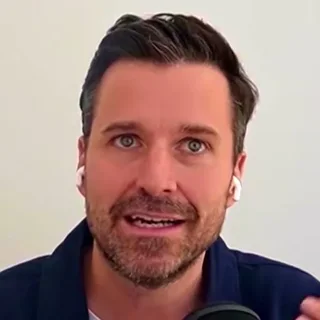
Who this is
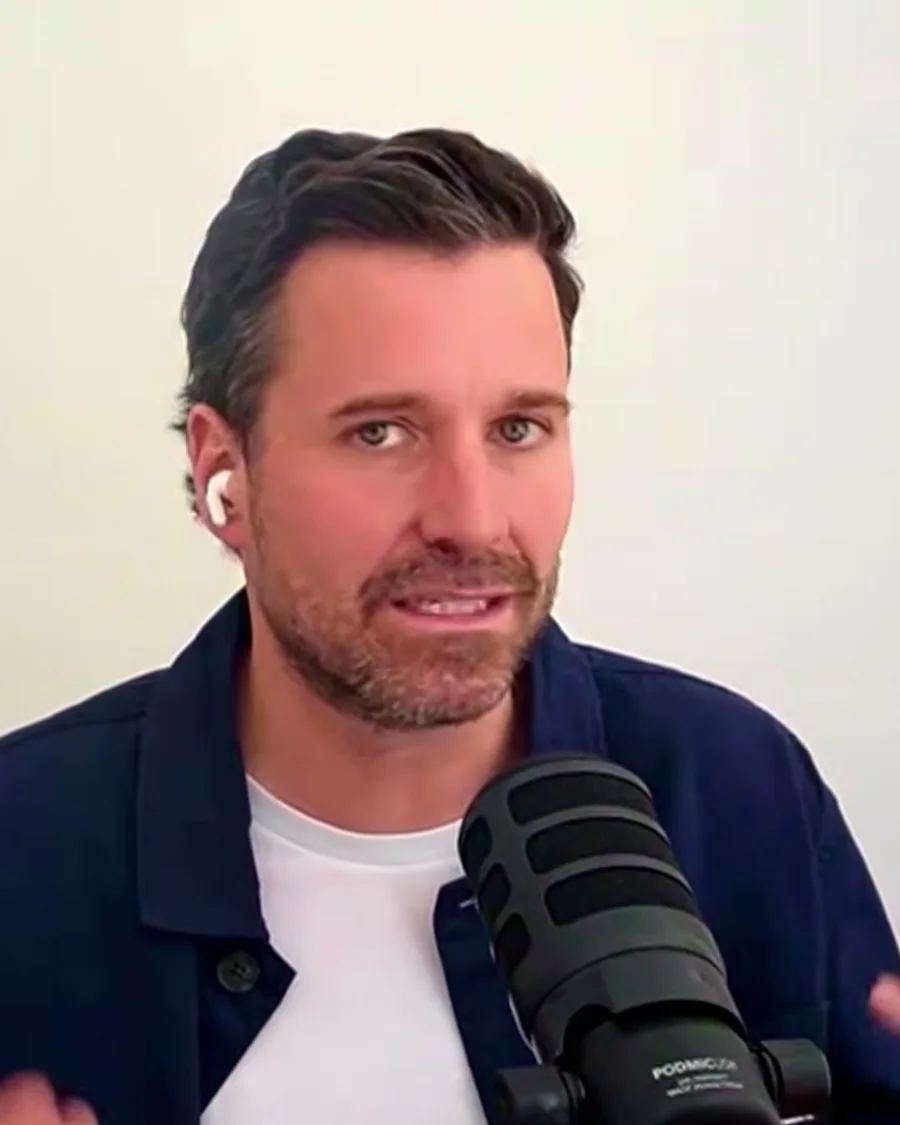
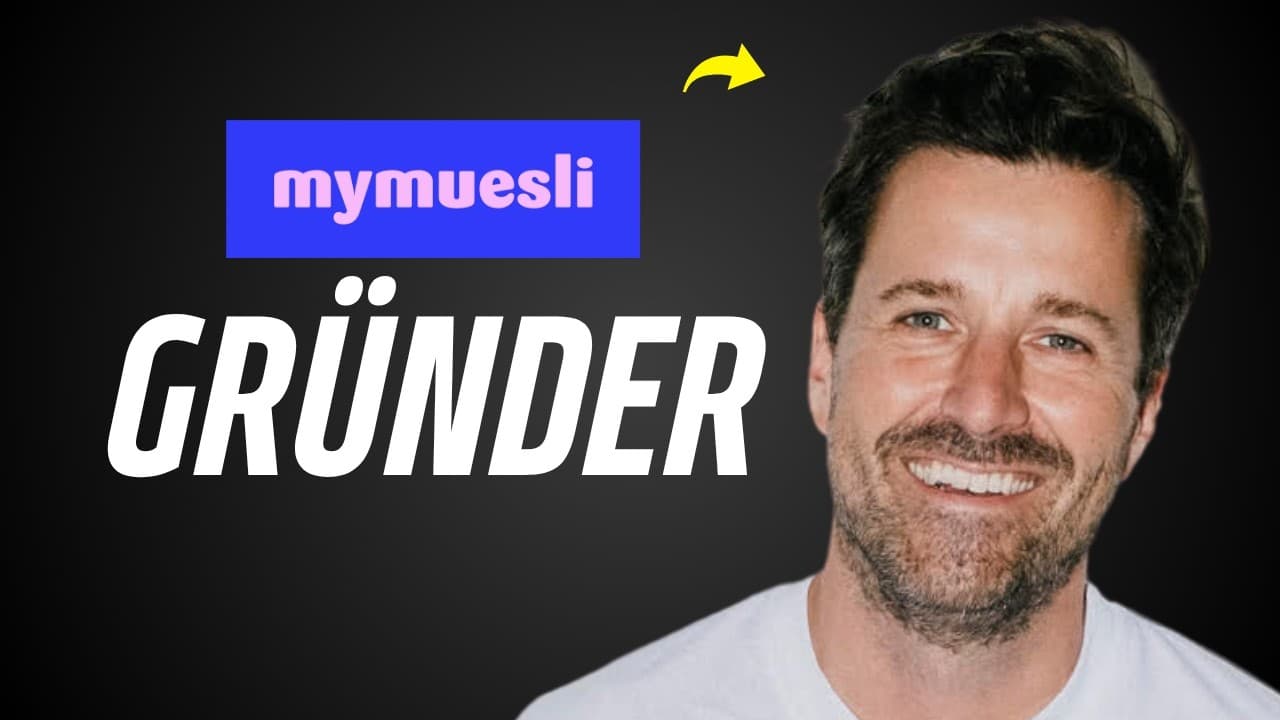
Max Wittrock studied law, trained as a journalist on the side and in 2007 co-founded mymuesli in Passau with Hubertus and Philipp: individually mixed organic muesli, initially weighed out by hand into Tupperware and with every tin signed personally. The company was built without venture capital, later brought in a private equity fund and is now majority-owned by Katjes. At the end of 2019, after more than twelve years as managing director, Max stepped down. In 2020 he helped Joko Winterscheidt and Oliver Frank build the chocolate brand Jokolade. Since October 2024 he has been building zeroLabs with Moritz Keller: a non-alcoholic beer with 0.0 percent alcohol, no sugar and a pink can. Alongside that he coaches founders as a sparring partner. According to his website, he returned to mymuesli in July 2026.
Episodes
Numbers from the episode
FAQ
Why did Max Wittrock leave mymuesli?
Max stepped down in December 2019 after more than twelve years as CEO. His image for it is the chipboard: he likes building operationally from scratch and no longer felt comfortable with his skill set in a large organisation. Building and managing are two different skills to him. The move was prepared over years with his co-founders Hubertus and Philipp, including with a coach the trio had worked with for a long time. To the episode →
What does Max Wittrock advise on pricing?
Start high rather than low, because a price is like a tattoo. If you build an e-commerce brand you need margin so that new customers are ideally CM3-profitable on their first purchase. After launch, Zero Labs tested its price with Appinio using Gabor-Granger and found no kink at 1.69, 1.89 or 2.29 euros where demand took off. So the RRP stays at 2.29 euros. To the episode →
How does Max Wittrock work with founders as a coach?
Max prefers to call himself a sparring partner or wingman rather than a coach. His one-on-one mentoring runs over three months and costs a few thousand euros. He prefers working with advanced founders who have solid funding or already make a million euros in revenue or more, and with three to eight people at a time, not 50. Many problems can be solved over lunch, he says, which is why he also shares a lot of knowledge for free. His observation: most founders already know the answers and mainly need reassurance. To the episode →
What does Max Wittrock say about self-doubt and imposter syndrome?
One of Max's big limiting beliefs is the question of whether he is even allowed to call himself an entrepreneur, although mymuesli has made several hundred million euros in revenue over its lifetime. In a room with the e-com bros he still feels like the smallest person there. Marketing himself is a nightmare for him, and he was stuck in analysis paralysis over his mentoring offer for a long time. His message: even after 20 years you have the same self-doubt, founding is a skill you cultivate for a lifetime. To the episode →
Quotes
„Bewerte nie eine Entscheidung mit Informationen, die du später bekommen hast.““Never judge a decision with information you only received later.”
„… mein Kopf sagt mir meistens nicht die Wahrheit. … So, wie ich innerlich eine Situation beurteile, das stimmt meistens nicht.““My head mostly doesn't tell me the truth. The way I judge a situation internally is usually wrong.”
„Man muss beim Pricing schon mutig sein. Das ist wie ein Tattoo, so ein Preis. Der geht halt nicht mehr so schnell weg.““You have to be brave with pricing. A price is like a tattoo. It doesn't come off that quickly.”
„Also ein bisschen wie Profi-Boxer werden wollen, aber nicht boxen wollen. Das ist halt schwierig.““It's a bit like wanting to become a pro boxer without wanting to box. That's just difficult.”
„… nur weil man das irgendwie 20 Jahre macht, heißt das nicht, dass man nicht immer noch genau die gleichen Selbstzweifel hat …““Just because you've been doing this for 20 years doesn't mean you don't still have exactly the same self-doubt.”