
Who this is
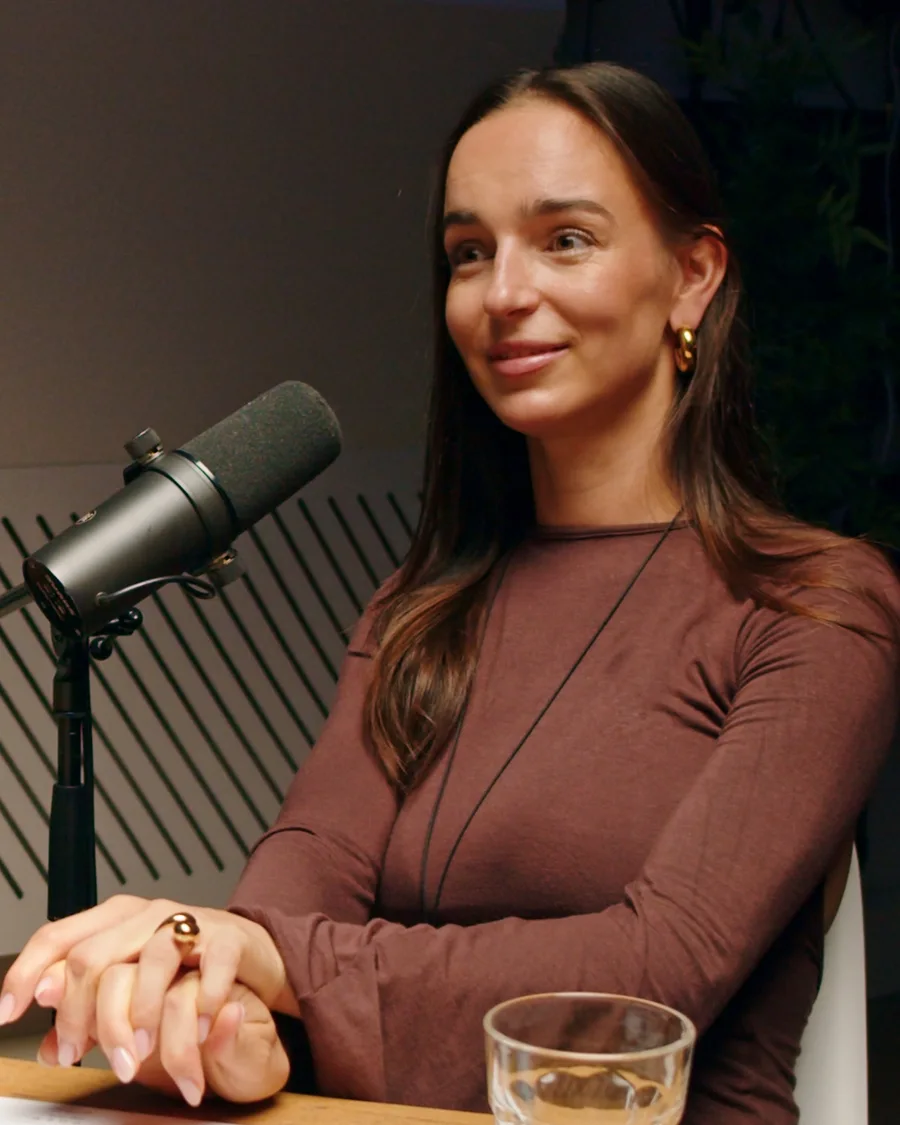
Alisa and Frederik Jahnke are a married couple and, together with Etienne, the co-founders of Purelei, a jewellery brand from Mannheim founded in 2016. Alisa fell in love with Hawaii in 2012 after finishing school and, at 24, was the brand's core customer herself when she first joined Frederik and Etienne as a packer in their e-commerce store. The name Purelei comes from the Hawaiian flower garland, the lei. Starting with 500 euros, the company has grown from its own cash flow since day one, without any investor, and is aiming for around 70 million euros in revenue in 2026. Purelei sells waterproof stainless-steel jewellery online, through a jewellery subscription, an advent calendar and its own stores in Munich, Cologne and Palma. Alisa has been CEO again since the end of June 2026, after Etienne held the role from 2023. Frederik is responsible for innovation and the stores; before Purelei, he and Etienne built the phone-case shop Mr. Straps and shut it down on 31 December 2017 to go all in on Purelei. The two have two children.
Episodes
Numbers from the episode
FAQ
What is Purelei?
Purelei is a jewellery brand from Mannheim that Alisa and Frederik Jahnke founded in 2016 together with Etienne. The name comes from the lei, the Hawaiian flower garland, and the brand wants to bring the aloha feeling to the world. Purelei sells waterproof stainless-steel jewellery online, through a jewellery subscription, an annual advent calendar and its own stores in Munich, Cologne and Palma. Mannheim and Münster are planned as the next locations. To the episode →
How much revenue does Purelei make and who invested?
In the episode Alisa says Purelei is aiming for 70 million euros in revenue this year. Nobody invested: the company was founded with 500 euros of share capital and has grown from its own cash flow since day one. All three founders still hold the shares themselves. To the episode →
What does Purelei mean by the EBIT death zone?
Frederik describes zones the founders have set for themselves: below 5 percent EBIT at year end is the death zone they don't want to enter, and the target is around 10 percent. Because no investor can top up the funds, they have to be tough on themselves. Since 2023 Purelei has therefore managed by contribution margin 3, but has also cut back events and other brand activities for it. To the episode →
Why have the Purelei founders never sold?
There were talks mainly in 2020 and 2021, when many deals were happening. In the end the three always sat down together and asked what the value of a sale would be when they can already make every decision themselves and independently. They feared opening Pandora's box by bringing in a partner. Frederik adds that the company gives them structure and freedom, such as more time for the kids, and that many founders fall into a hole after an exit. Nothing is ruled out for the future, though. To the episode →
Why is Alisa Jahnke CEO of Purelei again?
All three founders have been managing directors from the start and had split up the areas between them. In 2023 the team needed one person where it was clear that decisions get made. Etienne took over as CEO and, with his focus on the numbers, got Purelei out of its blind flight in the EBIT death zone. About six months ago Frederik initiated the change, Alisa and Etienne settled it between themselves, and it was announced to the team at the end of June. Alisa brings the vision and an intrinsic motivation for the brand, which Frederik calls a no-ego mentality. To the episode →
What happened at Purelei on Black Friday 2019?
Shortly before Black Friday, Purelei had introduced a new system. After a newsletter, products appeared in the shop for 0 euros, codes were leaked via deal sites and tens of thousands of orders had to be cancelled. The provider's managing director travelled from the UK to the warehouse, Etienne practically slept in the container, and all three spent two months in customer service until late at night. Alisa published an apology video with three options for affected customers and personally called the harshest critics, who then turned into fans and helped moderate the discussion on social media. To the episode →
Quotes
„… selbst nach zehn Jahren, ich hänge so an dieser Vision, ich stehe da so dahinter, hinter allem, was wir tun, und das wird jetzt 100.““Even after ten years, I'm so attached to this vision, I stand behind it, behind everything we do, and this is going to turn 100.”
„Das Handwerk ist sich trauen und rausgehen, wie ich es damals gemacht habe mit dem Fahrrad.““The craft is daring to go out there, the way I did back then on my bike.”
„Schlussendlich habe ich es geschafft durch diese Anrufe. … Die Personen, die eigentlich am negativsten gesprochen haben, wirklich zu einem Fan zu machen.““In the end, through those calls, I managed to turn the people who had spoken most negatively into real fans.”