
Who this is
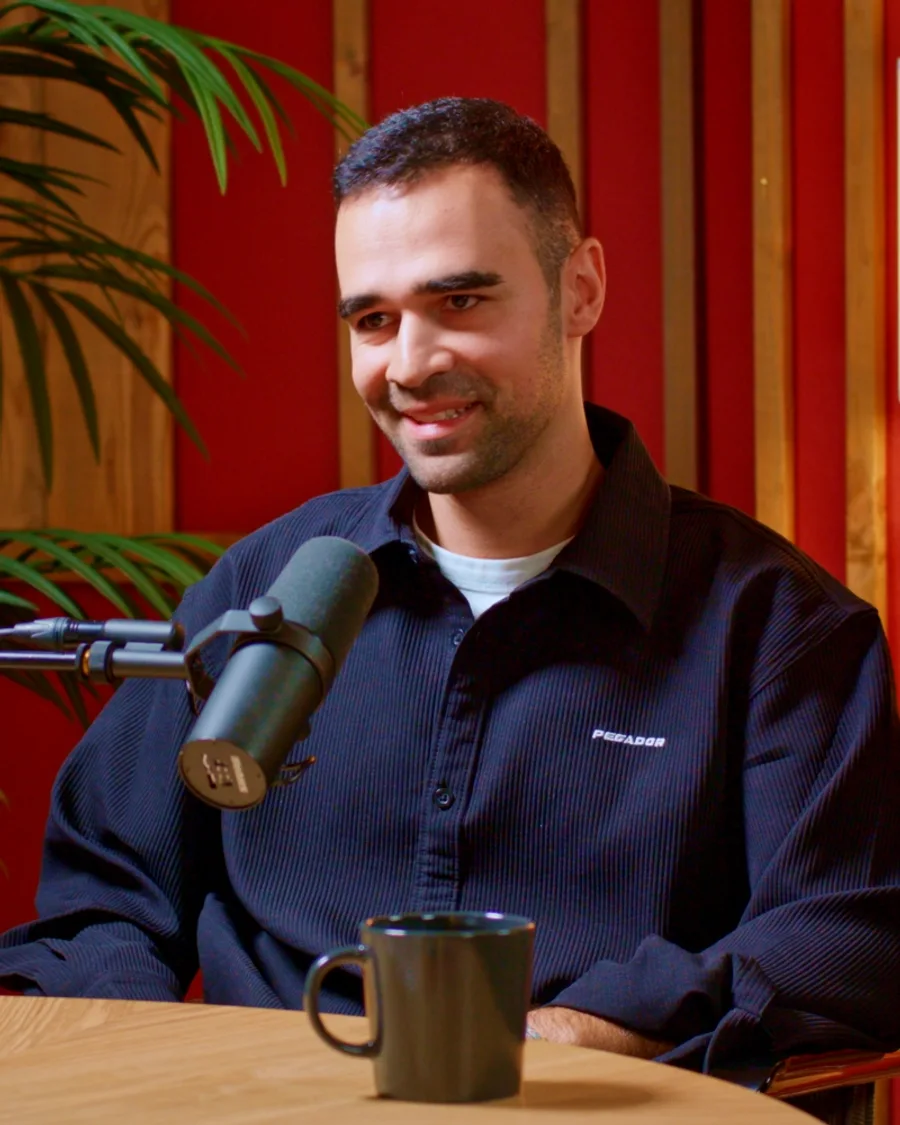
Yilmaz Köknar co-founded Superchat in Berlin in 2020 together with Mika Hally. Superchat is a communication platform for small and medium-sized businesses: WhatsApp and other channels in one inbox, GDPR-compliant, and today with AI agents for chat and phone. Before that he studied product management at Code University in Berlin (without graduating) and built a first startup with Mika that failed for lack of sales. At Superchat he runs go-to-market, sales, marketing and fundraising. According to its website, the company has raised a 500,000 euro pre-seed, a 2.8 million euro seed round (2021) and a 14 million euro Series A (2022), including from Blossom Capital, and counts more than 10,000 customers. Feliks has been a shareholder himself since the angel round.
Episodes
Numbers from the episode
FAQ
What is Superchat?
Superchat is a communication platform for small and medium-sized businesses. Customers write via WhatsApp, the business replies from a professional inbox that several employees can share, GDPR-compliant via the official WhatsApp API with servers in Germany. AI agents on all channels, including phone, have since been added, booking appointments for a dental practice, for example. Superchat was founded in Berlin in 2020 by Yilmaz Köknar and Mika Hally. To the episode →
How much revenue does Superchat make?
In the episode Yilmaz says publicly for the first time that Superchat has passed 20 million euros in ARR, i.e. annual recurring revenue. The company has around 10,000 customers, 8,000 to 9,000 of them in the DACH region, and processes just over a million messages a day. His goal since his student dorm days: a 100-million-ARR company. To the episode →
How did Superchat win its first customers?
The first 100 customers came by phone: Yilmaz scraped Google Maps with Phantom Buster, called tax advisors, electricians and car dealerships, and made 100 to 150 calls a day using the hook 'we're a few students from Berlin collecting feedback'. From 100 to 1,000 customers it was 15-second ads on Meta with leads under 15 euros, a one-stop demo and a 30-day money-back guarantee. Beyond 1,000 customers it became a people game: hiring, onboarding and motivating a sales team. To the episode →
How much does Superchat cost?
According to Yilmaz, the smallest plan costs 89 euros a month with one number and three users. From 149 euros a month the AI agent is included, and above that there are larger plans with integrations. On top come variable costs for additional numbers and users, credits for automations and WhatsApp fees. Superchat hasn't changed its base plans in five years and is currently running a major pricing project. To the episode →
What is the coffee walk at Superchat?
Since Superchat began, Yilmaz and his co-founder Mika have left the office together every Friday at 4 pm, picked up coffee on Kollwitzstrasse and talked unstructured about the week: what went well, what went badly, what worries exist. The point is that nothing unspoken builds up between them. In addition, Yilmaz takes the same four-to-five-hour walk every Sunday from Prenzlauer Berg to Schloss Bellevue to reflect on the week. To the episode →
Why is this Yilmaz Köknar's first long-form interview?
Yilmaz says stages, press and podcasts never did anything for him; it was more important for the company that he was in the office closing customers. Instead of OMR, Superchat preferred a pharmacists' trade fair where nobody watches but customers get signed. The Founder Mode episode is his first long-form interview, partly because he has known Feliks since the angel round. To the episode →
Quotes
„Wir hatten kein Pricing, keine Pakete, gar nichts. … Nur Google Maps und ein Telefon.““We had no pricing, no packages, nothing. Just Google Maps and a phone.”
„Deswegen mussten wir halt mit Traction überzeugen. Nicht mit Lebenslauf, sondern nur mit Traction.““So we had to convince with traction. Not with a CV, only with traction.”
„Ich glaube auch bis heute so, weißt du, es kann uns niemand outworken.““I still believe it today: nobody can outwork us.”
„Es wird nie 100% perfekt sein, sondern du musst halt einfach pushen, um halt dann wieder neue Probleme zu finden, die du halt solven kannst.““It will never be 100 percent perfect. You just have to push so you find the next problems you can solve.”
„… am Ende ist es schlimmer, die Entscheidung nicht zu treffen, wie sie halt zu treffen.““In the end, not making the decision is worse than making it.”