
Who this is

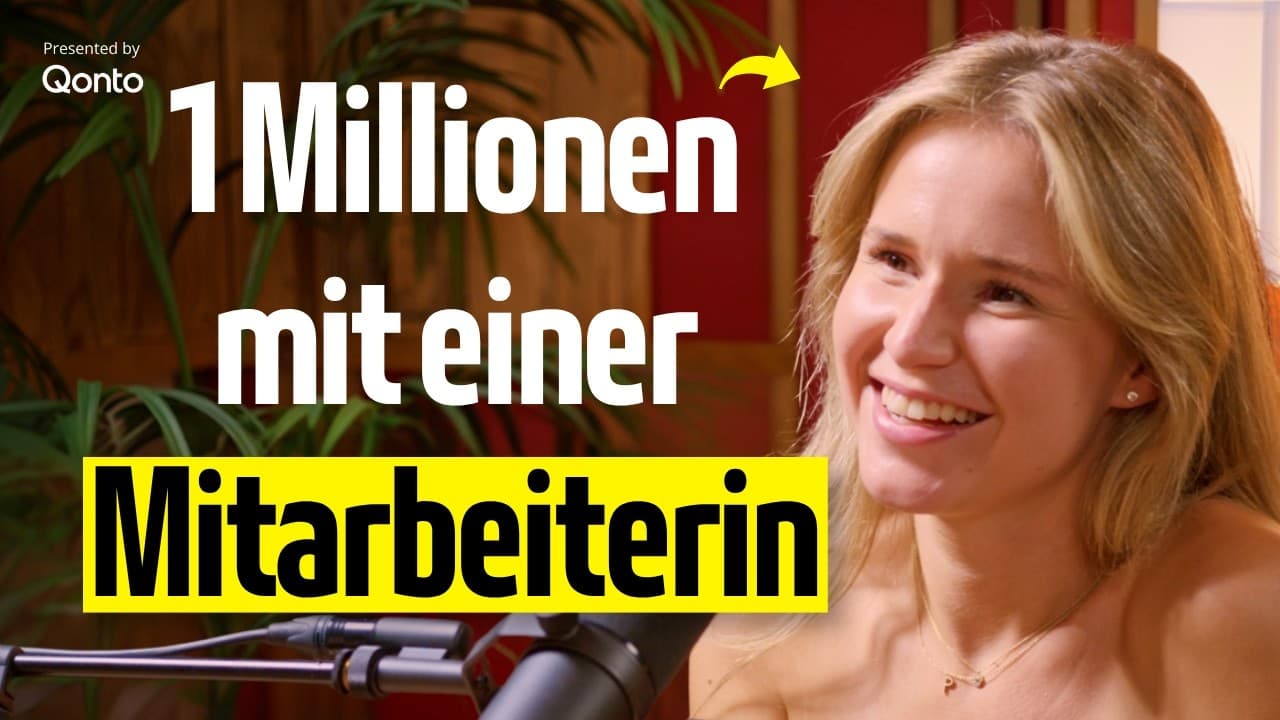
Sarah Emmerich has been self-employed since she was 18 and spent the past ten years first building her own personal brand, then turning it into two companies. With her Berlin agency Emmerich Relations she connects business creators, people with a personal brand on LinkedIn, Instagram or in a newsletter, with B2B tech companies such as HubSpot and sevdesk. The campaigns are purely performance-driven: what counts are webinar sign-ups, leads and pipeline. She also hosts the Business Creator Summit in Berlin, a conference for founders and marketers who work with creators or want to become creators themselves, most recently with 600 guests. The agency makes around one million euros in revenue with a single employee, and Sarah has deliberately decided not to grow any further. She is 28, mother of a daughter and lives in Berlin.
Episodes
Numbers from the episode
FAQ
What does Emmerich Relations do?
Emmerich Relations is Sarah Emmerich's Berlin agency for business creator marketing. It connects business creators, people with a personal brand on LinkedIn, Instagram, YouTube or in a newsletter, with B2B tech and SaaS companies such as HubSpot or sevdesk. The campaigns are performance-driven: what gets measured are webinar sign-ups, leads and the deals that result from them. The agency makes around one million euros in revenue with one employee. To the episode →
Why doesn't Sarah Emmerich want to grow?
She went self-employed at 18 to be free and independent, not to work as much as possible or to build something huge. For her, 100 employees would be a major constraint, because she would be responsible for salaries and development. Before her daughter was born she had almost ten employees and deliberately scaled back. Her leverage is her network and her personal brand, not a team or capital. To the episode →
How does the Business Creator Summit work financially?
The Business Creator Summit in Berlin most recently had 600 guests, with 750 planned for next year, and now costs more than 100,000 euros. Sponsoring covered the costs and ticket sales were the profit. The ticket price isn't static; it rises from 150 to 300 euros in the run-up to the event. The event is deliberately not a trade fair: this year there were only around five booths, and partners like Lexware are integrated into the content through panels and masterclasses instead. To the episode →
What does freedom mean to Sarah Emmerich?
Not five or ten million in the bank. For her, freedom means cancelling today's calls when the babysitter falls through without having to ask anyone, and not having to drive to an event tomorrow to earn 5,000 euros because the bills are paid either way. Freedom, she says, is 100 percent in your head, and many decisions, such as choosing a co-founder, limit it later on without you considering that at the start. Her company is 100 percent hers. To the episode →
What kind of inner work does Sarah Emmerich recommend to founders?
For two years Sarah has had a coach who works with emotional release, meaning through the body rather than only the head. This year she did a family constellation for the first time and calls it the most intense therapeutic experience she has had. Her advice to founders: don't wait five years to start, and find someone who also works with the body, for example through emotional release, breathwork or hypnosis. Exercise alone, she says, is more like running away from your issues. Feliks adds Internal Family Systems (IFS) and the book The Inner Game of Tennis. To the episode →
Quotes
„Also mein Kapital ist halt meine Personal Brand und mein Netzwerk. Dadurch habe ich halt viele Möglichkeiten.““My capital is my personal brand and my network. That's what gives me so many opportunities.”
„Das ist generell ein häufiger Fehler im Creator Marketing, dass man sagt, man will unbedingt, dass der Creator nur zur Brand passt, aber was noch wichtiger ist, ist ja, dass die Zielgruppe vom Creator zum Unternehmen passt …““A common mistake in creator marketing is insisting that the creator fits the brand. What matters more is that the creator's audience fits the company.”
„Ich empfehle das auch gerade jedem so als Marketinghack, weil die Leute feiern das so krass, out of home zu sein.““I'm recommending it to everyone as a marketing hack right now, because people absolutely love being out of home.”
„Ich habe jetzt für mich dieses Jahr entschieden, you can have it all, but not at the same time.““This year I decided for myself: you can have it all, but not at the same time.”
„Du denkst am Anfang, ich will einen Co-Founder haben, weil es ist ja mega cool, aber du fragst dich gar nicht, was bedeutet das vielleicht später für mein Business.““At the start you think, I want a co-founder because it's so cool, but you never ask yourself what that might mean for your business later on.”