

Who this is
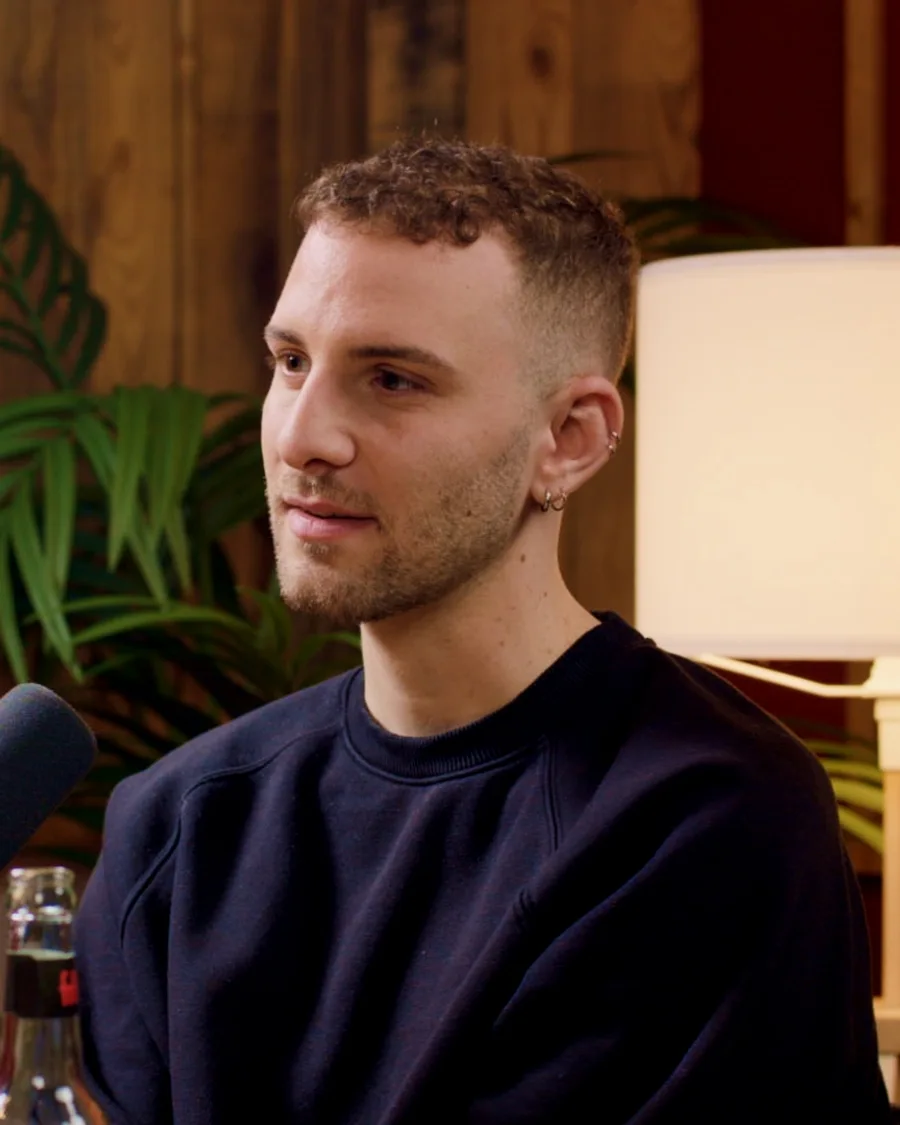
Marius Meiners is co-founder and CEO of Peec AI, a Berlin startup for AI search analytics: marketing teams use it to see how their brand shows up in answers from ChatGPT, Gemini and Claude and which sources the models pull from. He founded the company in December 2024 out of Antler's Berlin programme together with Daniel Drabo and Tobias Siwonia, whom he had only just met there. Before that he worked in PwC's venture team. His path is unusual: a chronic illness meant he left school with Germany's lowest secondary qualification, and he played his way into the top 100 of the European League of Legends server. Fourteen months after launch, Peec AI, according to the episode, is at 8 million ARR, 55 people and a Series A led by 20VC at a valuation above 100 million.
Episodes
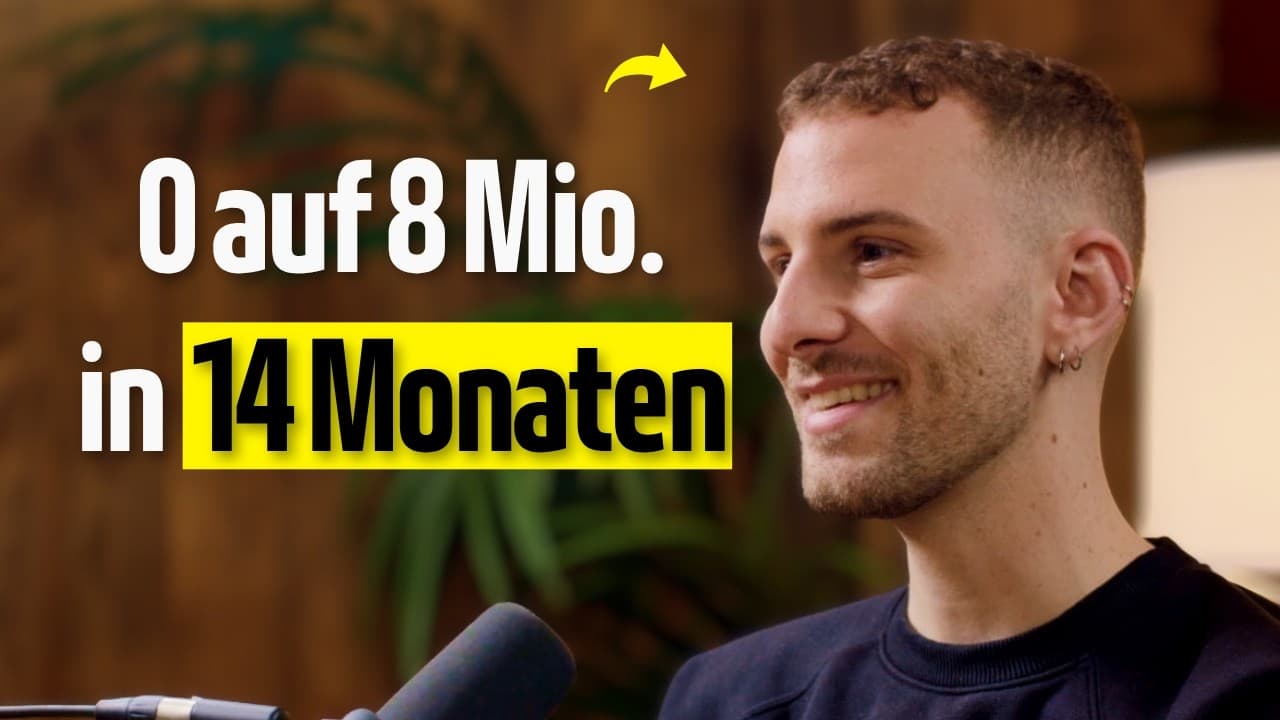
Numbers from the episode
FAQ
What does Peec AI do?
Peec AI is Berlin-based software for AI search analytics. Marketing teams use it to see whether and how their brand appears in answers from ChatGPT, Gemini and Claude, which sources the models draw on and what content they should produce to become more visible. According to the episode, customers include brands such as Chanel, Breitling and TUI as well as many agencies. To the episode →
How much revenue does Peec AI make?
In the episode Marius Meiners cites 8 million ARR, up from 5 million eleven months after launch, which is roughly one million in new ARR per month. Peec has grown from 3 to 55 people, with 75 planned by summer. About 40 percent of revenue comes from customers who sign up themselves by credit card after a free trial. To the episode →
How did Peec AI raise its Series A with 20VC?
After the pre-seed, an investor had offered money at any valuation. His pre-seed investors advised Marius to run another round. He gave himself seven days, received a term sheet from a top European VC on day six with only one day of validity, and the same evening Harry Stebbings of 20VC reached out. The partners flew to Berlin overnight, did due diligence until the afternoon and put down their term sheet after around 18 hours. According to the episode, the valuation was above 100 million. To the episode →
Why did Peec AI cut its prices?
Together with the pricing consultancy Northlane, Peec wanted to make its pricing more flexible and underline its land-and-expand strategy. That includes separate plans for agencies and brands and no per-seat pricing, so the tool gets used across the whole company. Existing customers were migrated automatically to the cheaper plan, which cost 300,000 to 500,000 in ARR. Marius deliberately does not want to capture the full willingness to pay but to win many customers first. To the episode →
Who are the founders of Peec AI?
Peec AI was founded in December 2024 by Marius Meiners (CEO), Daniel Drabo and Tobias Siwonia (CTO). The three met in Antler's Berlin programme. Marius came from PwC's venture team, left school with Germany's lowest secondary qualification and had previously been top 100 in League of Legends on the European server. Malte Landwehr, formerly a VP SEO, is now CMO and CPO at Peec. To the episode →
Quotes
„Du musst einfach alle Brücken abreißen mäßig und einfach sagen, hey, ich geh all in auf dieses Thema und auf diese Idee und vertraue einfach in mich selber.““You simply have to burn all the bridges and say: I'm going all in on this topic and this idea, and I just trust myself.”
„Ich glaube, wir haben die einfach outworked. … wir haben vor allem einfach auch härter gearbeitet.““I think we simply outworked them. Above all, we just worked harder.”
„… wir müssen nicht das Maximum von dem Kunden abgreifen, was er zahlen will. Ich glaube, muss die Zahlungsbereitschaft nicht völlig abschöpfen. Ich glaube, das ist das falsche Ziel.““We don't have to extract the maximum a customer is willing to pay. You don't need to capture the full willingness to pay. I think that's the wrong goal.”
„Ich habe einen super ungewöhnlichen Background, ich bin ein krasser Outlier, auf eine positive und auch negative Art. … Und ich habe auch im Fundraising gemerkt, Leute investieren in Leute, die so sind wie sie.““I have a very unusual background, I'm a real outlier, in a positive and a negative sense. And I noticed in fundraising that people invest in people who are like them.”
„Ich würde wieder versuchen, einfach Nachfrage zu finden. Also wo gibt es wirklich Menschen, die mir Geld für was zahlen wollen.““I would again try to simply find demand. Where are there really people who want to pay me money for something?”