

Who this is
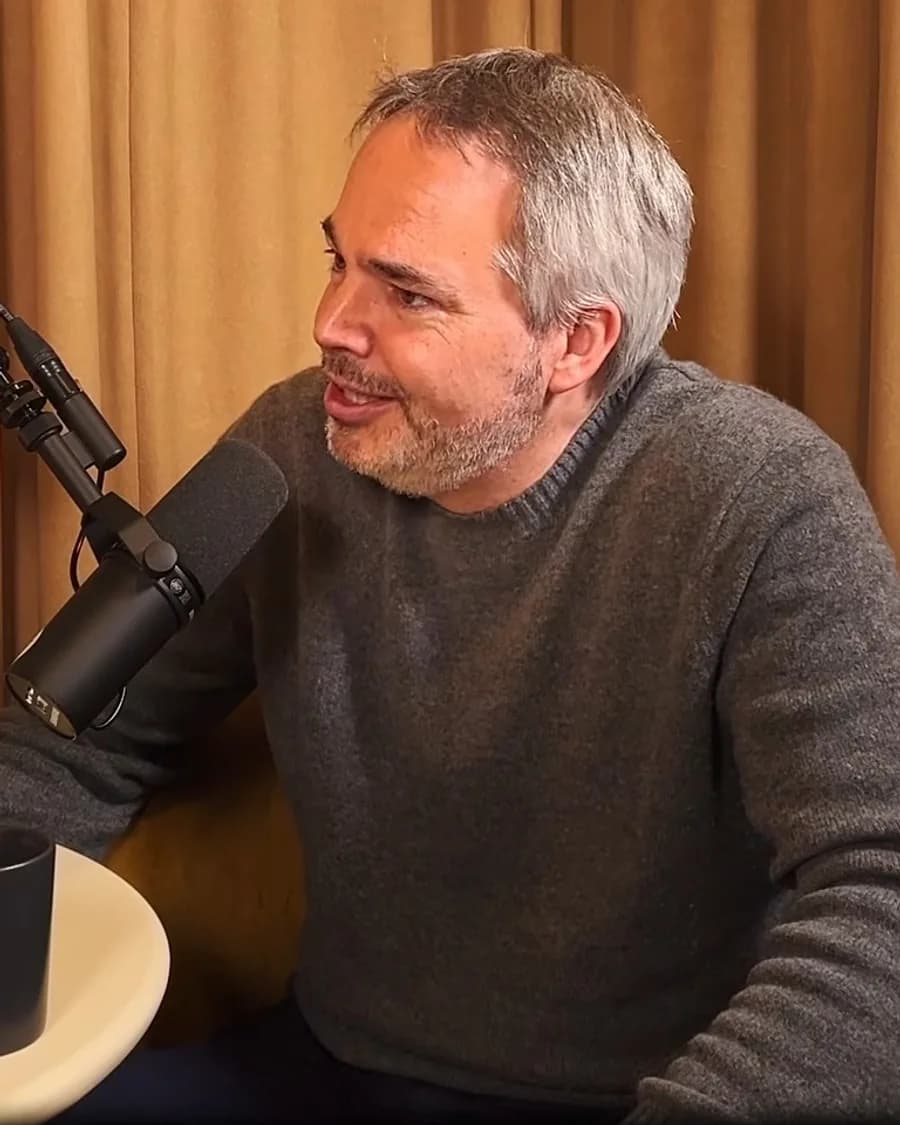
Florian Heinemann is a partner at Project A, a Berlin-based early-stage investor that has backed more than 130 founding teams since 2012 and, according to the episode description, manages over 1.5 billion euros. Project A was an early investor in Trade Republic, Quantum Systems and Sennder. The team currently makes about one to one and a half new investments a month, among other things in European resilience and defence, global supply chains, industrial software and applied AI; defence accounts for only around 20 to 25 percent. In parallel, Project A is building a small-cap private equity fund and a dedicated defence fund. Heinemann is a WHU alumnus, a father of four and made his debut on the Forbes Midas List Europe in 2025. This episode is part 2 of his visit to Founder Mode: five unopened envelopes with questions were left over from part 1.
Episodes
Numbers from the episode
FAQ
Why does Florian Heinemann say valuations are nonsense?
Because the word suggests the company is worth that much right now. In reality a startup valuation only prices the opportunity to participate in the company's future value creation. It reflects investors' expectations, and if those are too high the company later sits on a liquidation preference ahead of founders, employees and early investors. Many companies from 2020 and 2021 became distressed assets that way without the founders doing anything wrong. To the episode →
Which weapons does Project A not invest in?
Until its own defence fund, all investments had to be dual-use cases with a civilian application, and the existing funds are not allowed to invest in armed systems. The first investment in armed systems is STARK, financed from a separate vehicle. Even with the new defence fund, so-called controversial weapons such as landmines and chemical weapons remain a red line. Heinemann considers the line between offence and defence fluid; anyone entering the field has to accept that people will be harmed. To the episode →
What is Project A?
Project A is a Berlin-based early-stage investor that has worked with more than 130 founding teams since 2012 and, according to the episode description, manages over 1.5 billion euros. Its portfolio includes Trade Republic, Quantum Systems and Sennder. Current focus areas are European resilience and defence, global supply chains, industrial software and applied AI. The team is also building a small-cap private equity fund and a dedicated defence fund. To the episode →
Who is Florian Heinemann?
Florian Heinemann is a founding partner of Project A, a Berlin-based early-stage investor that has worked with more than 130 founding teams since 2012 and, according to the episode, manages 1.5 billion euros. Its investments include Trade Republic, Quantum Systems, sennder, Zepz and STARK. Before that he was at Rocket Internet. In late 2025 he made the Forbes Midas List Europe, and he is one of Germany's most interviewed investors: Feliks' team counts more than 150 podcast appearances. To the episode →
Why wouldn't Florian Heinemann build a VC fund today?
Because classic VC funds are closed-ended: you sell LPs a strategy, have to run it for ten years, in reality more like 13 to 15, and then liquidate all assets. But compounding assets are something you want to hold. If he were 25 today and had his own money, he would build a small, flexible, entrepreneurially run evergreen vehicle that can hold assets and provides operational support, more like a family office. His role models are 3i with Action, Thrive, ICONIQ and Partners Group. To the episode →
How does a VC destroy the most value, according to Florian Heinemann?
By breaking an intact path through his own interventions: a company is doing well, but the investor feels obliged as custodian of other people's money to exert influence and pushes for a premature US expansion or a roll-up. Often the most valuable thing a VC can do is keep quiet. The second form of value destruction is the opposite: stepping in too late when founders are in conflict, because nobody wants to be the founder-unfriendly VC. To the episode →
Quotes
„Eine Startup-Bewertung hat ja eigentlich nichts mit dem realen Wert der Firma in diesem Moment zu tun.““A startup valuation really has nothing to do with the real value of the company at that moment.”
„Weil, wenn du kein Gewinner bist, dann bist du eigentlich finanziell irrelevant.““Because if you're not a winner, you're financially irrelevant.”
„… meine Vermutung wäre schon, dass ja wahrscheinlich der Zustand der gegenseitigen Abschreckung vermutlich der stabilere ist …““My assumption would be that a state of mutual deterrence is probably the more stable one.”
„Und ein relevanter Teil der Dinge, die die Menschen hier machen und an IP generieren, ist leider für die Tonne.““And a relevant share of what people here do and the IP they generate unfortunately goes to waste.”
„Ich bin da eher so Follow Your Strength als Follow Your Passion.““I'm more follow your strength than follow your passion.”
„… Erfahrung ist immer dann nicht so hilfreich, wenn sich eben die fundamentalen Spielregeln sehr stark ändern, wie man Companies baut …““Experience is never that helpful when the fundamental rules of how you build companies change drastically.”