

Who this is
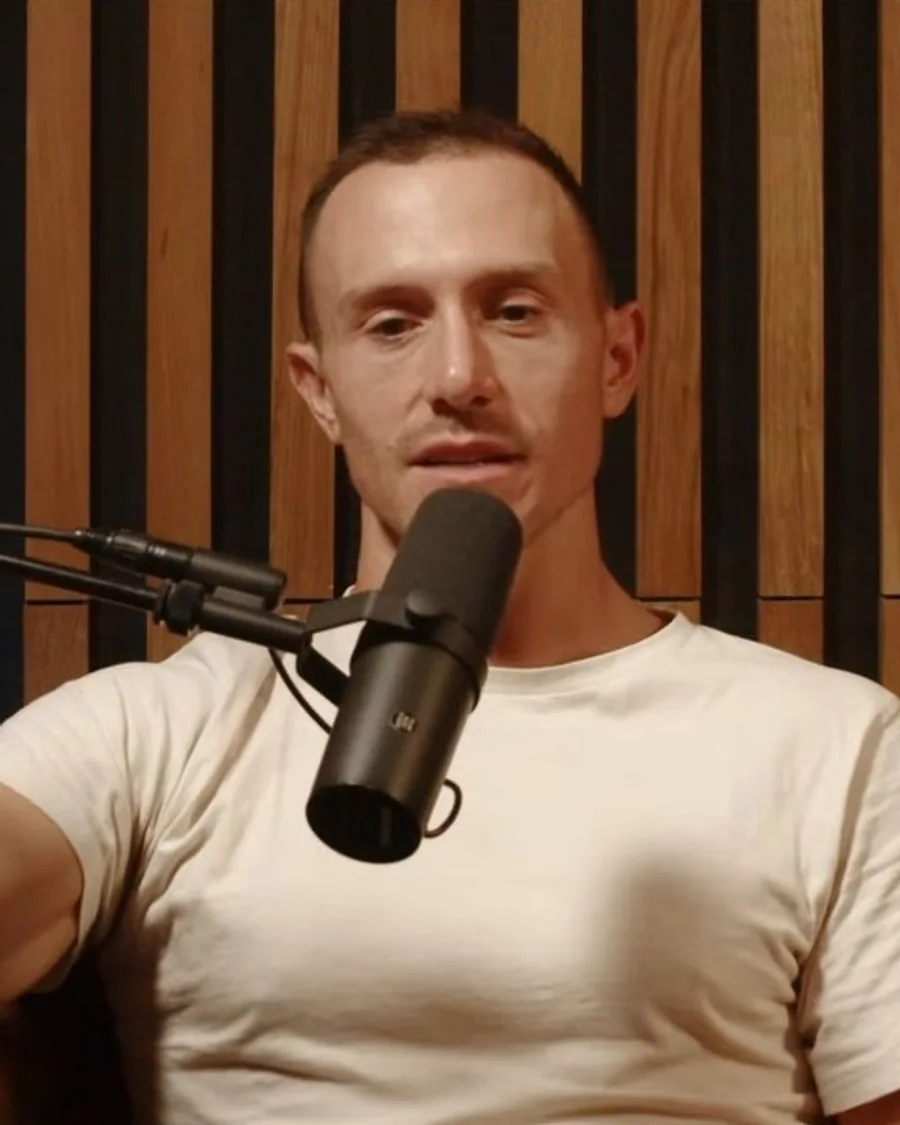
Fabian Silberer grew up in Schuttern, a village of 1,400 people near Offenburg, on a farm raising livestock and growing corn. Rather than take over the farm, he preferred sitting at the computer. In 2013 he co-founded sevDesk with Marco Reinbold, initially as a side project that grew out of a client job building invoicing software. It became accounting software for freelancers and small businesses, headquartered in Offenburg, with more than 100,000 customers. After about twelve years he stepped down as CEO, and in early 2025 the French software group Cegid acquired sevDesk. Today he is building his family office, training for an Ironman and investing in B2B software and applied AI.
Episodes
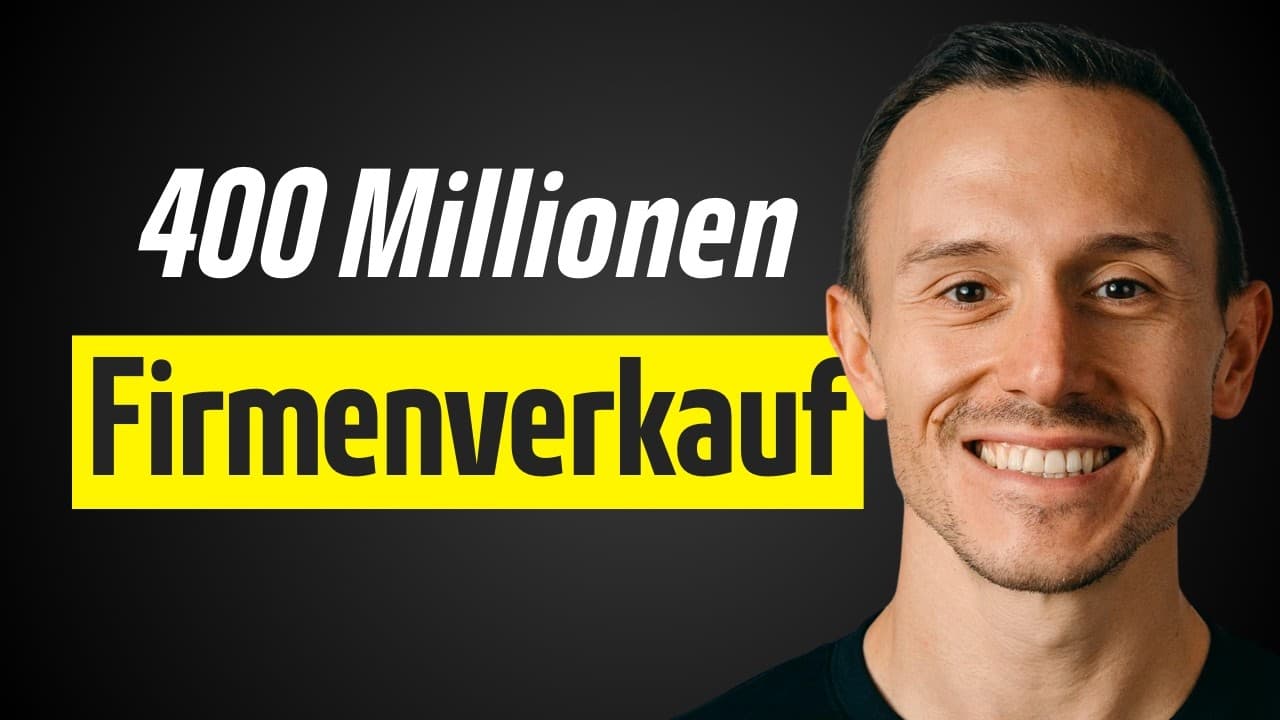
Numbers from the episode
FAQ
Who is Fabian Silberer?
Fabian Silberer co-founded sevDesk with Marco Reinbold in 2013, accounting software for freelancers and small businesses based in Offenburg. He grew up on a farm in Schuttern and spent about twelve years at sevDesk, most recently as co-CEO. Since leaving, he has been building a family office and investing in B2B software and applied AI. To the episode →
How much was sevDesk sold for?
According to a sevDesk press release from 7 January 2025, the buyer is the French software group Cegid. Manager Magazin reported a 400 million exit. In the episode Fabian makes clear that sevDesk never communicated a price and declines to comment further. He only says that everyone involved is happy. To the episode →
How did sevDesk win its first customers?
Cold calls and Google Ads didn't work. The breakthrough came with Facebook ads, which cost a few cents per click at the time and could target owners of small businesses. Customers tried the software for free and became paying customers after 14 days on average. Facebook brought in the first 1,000 and probably up to 10,000 customers; SEO, affiliate, influencers and TV came later. To the episode →
What did Fabian Silberer learn about SaaS pricing?
Simplicity above all: three good, better, best tiers, an entry price below 10 euros and an expensive top tier as an anchor. 12- and 24-month plans paid upfront funded growth. Repricing every 12 to 18 months added 10 to 15% growth a year. A plan configurator and five tiers instead of three both failed. To the episode →
Would Fabian Silberer take venture capital again today?
He would be very cautious. If he founded again, he would go as long as possible without outside money. The 50 million raised in 2021 were too much for sevDesk, and the team had to make a hard correction in 2022. He is particularly allergic to lifestyle fundraising, raising money just because it's available. To the episode →
What is Fabian Silberer doing after the exit?
He trains 10 to 20 hours a week for triathlon and wants to do an Ironman next year. He manages his wealth through his own family office with a head of family office, split into 40% public, 40% private and 20% real estate. Until the Ironman he rules out founding full-time; after that he can imagine a venture studio or a new company. To the episode →
Quotes
„Du brauchst dieses, wie du sagst, Underpriced Attention und wenn am Anfang dir niemand einen Vogel zeigt für deinen Kanal, dann ist es aber wahrscheinlich nicht ganz so geil.““You need that underpriced attention, as you say, and if nobody thinks you're crazy for your channel at the start, it's probably not that great.”
„Aber je mehr die Leute über das Pricing nachdenken müssen, desto unwahrscheinlicher entscheiden sie sich überhaupt.““The more people have to think about pricing, the less likely they are to decide at all.”
„Ich glaube auch, dass viel Geld geracet wurde. Und Gründer dann irgendwie in Geld ertrinken, bevor sie überhaupt richtig schwimmen gelernt haben.““I also think a lot of money got raised, and founders end up drowning in money before they've even really learned to swim.”
„Nennen wir es mal den Berghain-Effekt, den musst du eigentlich kreieren.““Let's call it the Berghain effect. That's what you really have to create.”
„Aber Geld verstärkt ja immer nur den Charakter. Verändert nicht den Charakter.““Money only ever amplifies your character. It doesn't change it.”