
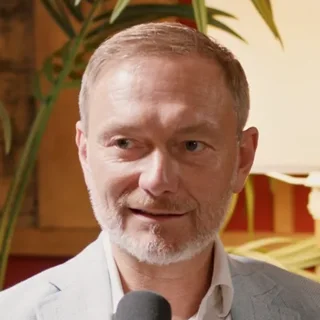
Who this is
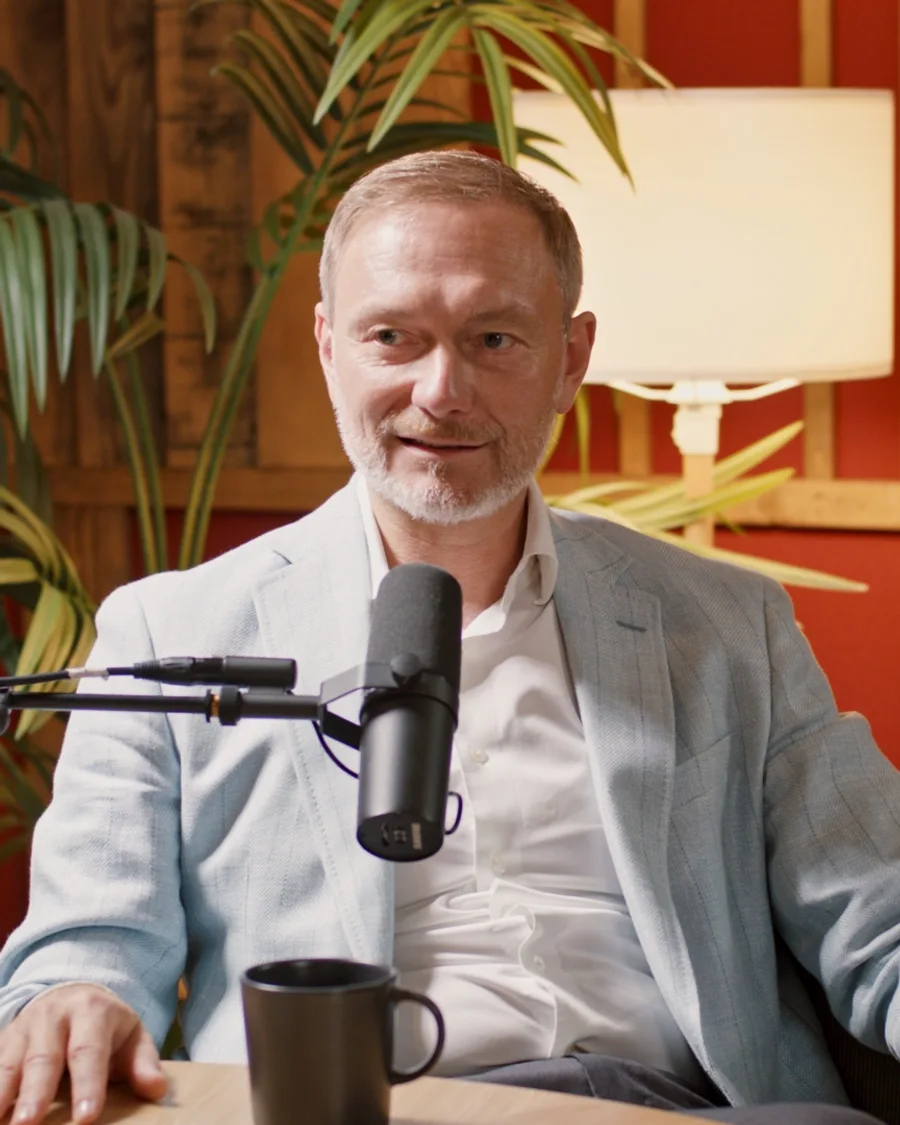
Christian Lindner, born in Wuppertal in 1979, was Germany's federal minister of finance from 2021 to 2024 and led the liberal FDP party as its chairman from 2013 to 2025. Before politics he founded an advertising agency and held a stake in a startup building avatars and chatbots, about which he also wrote a book in 2001. Since leaving politics he has been deputy CEO of Autoland AG, which describes itself as Germany's most profitable car dealership group, where he is responsible for sales, marketing, digitalisation and IT. Through his holding company he also backs around ten startups, including Merlin, which builds AI solutions for municipal administrations.
Episodes
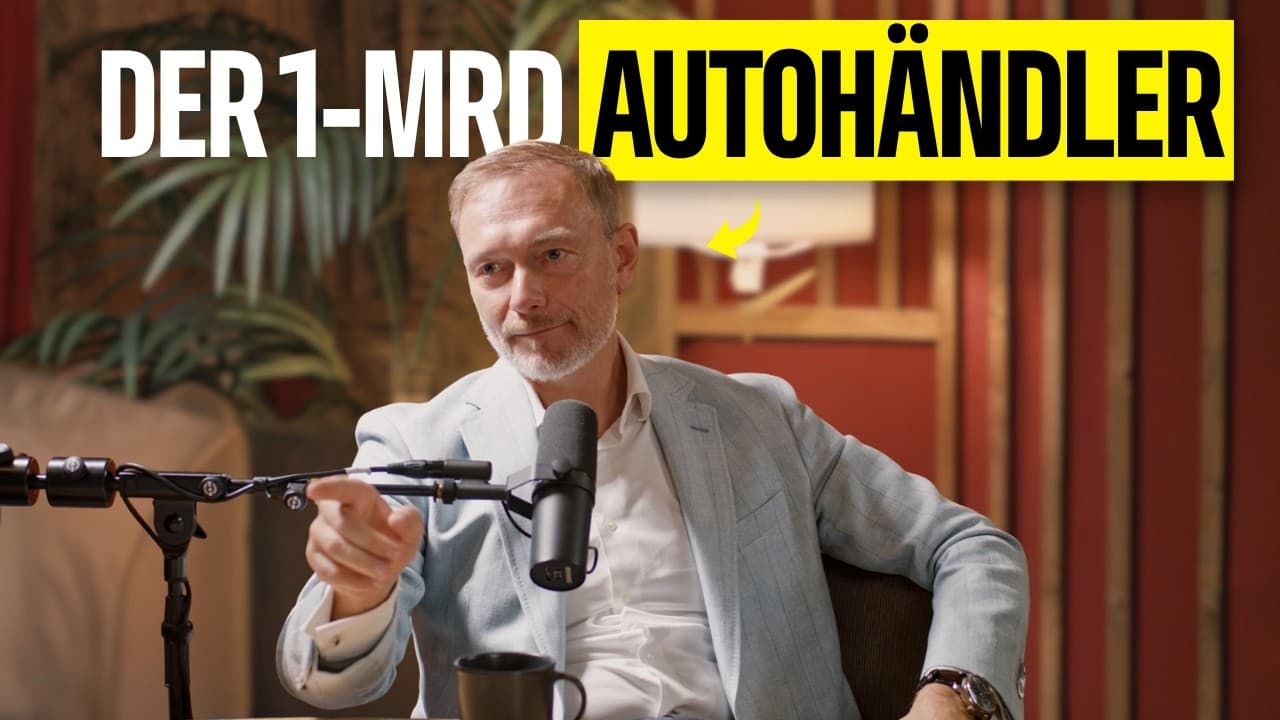
Numbers from the episode
FAQ
What does Christian Lindner do for a living today?
Christian Lindner is deputy CEO of Autoland AG, responsible for sales, marketing, digitalisation and IT. He also invests as an angel in around ten startups through his holding company. He deliberately did not make board seats, consulting and speaking engagements his main role, because he wanted something operational with real entrepreneurial responsibility. To the episode →
What is Autoland AG?
Autoland AG is a brand-independent car dealership group founded by Wilfried Wilhelm Anklam in Hanover in 1978 that grew mainly in eastern Germany after reunification. The company has 37 branches, aims for more than 40 by the end of this year and sells new, nearly new and used cars of all brands, with 15,000 vehicles available immediately. The online platform auto.de is also part of the group. In the episode Lindner cites a revenue target of 1.2 billion euros at a margin of almost 10 percent. To the episode →
How did Christian Lindner learn to sell?
At 18 he and a classmate set up an electricity pool, a buying group formed after the liberalisation of the German electricity market, and sold the contracts via flyers and door to door. That taught him to overcome embarrassment, tolerate frustration and keep going. Later he founded an advertising agency. Today he writes the phone script for Autoland's salespeople himself, including the objection handling. To the episode →
Which startups does Christian Lindner invest in?
After leaving government he set up a holding company and now holds small tickets in around ten startups. The episode names Merlin, which builds AI solutions for municipal administrations and in which Feliks is also invested. Besides capital, Lindner offers sparring, networking and advice on financing and sales. He wants to hear from very early-stage teams with ambition and an idea, but not from salespeople or pure ChatGPT pitch decks. To the episode →
What can startups do for Germany, according to Lindner?
Lindner calls startups the country's outsourced laboratory. With its Mittelstand and industry, Germany has fertile ground on which AI can grow something new. The problem, he says, is less a lack of innovation than what he calls innovation absorption capacity, the ability of established companies to take innovations on board. Startups are the catalyst for that. To the episode →
Quotes
„Einfach weiterzumachen und auch diese Peinlichkeitsgrenze, diese Schamgrenze zu überwinden.““Just keep going, and get past that threshold of embarrassment, that shame barrier.”
„Also, ich bin nicht zu Autoland gekommen, um zu sagen, ich erkläre euch mal Automobilhandel. Das können die schon 47 Jahre.““I didn't join Autoland to tell them how the car business works. They've been doing that for 47 years.”
„Also ich glaube, dass Agentic Commerce Ende des Jahrzehnts eine große Rolle spielen wird.““I believe agentic commerce will play a major role by the end of the decade.”
„… es geht alles enorm schnell, wenn du mit KI-Koden kannst.““Everything moves incredibly fast once you can code with AI.”
„Naja, es ist das ausgelagerte Labor für unser Land. Wo sollen die Zukunftsarbeitsplätze herkommen?““Well, it's the outsourced laboratory for our country. Where else are the jobs of the future supposed to come from?”