
Who this is
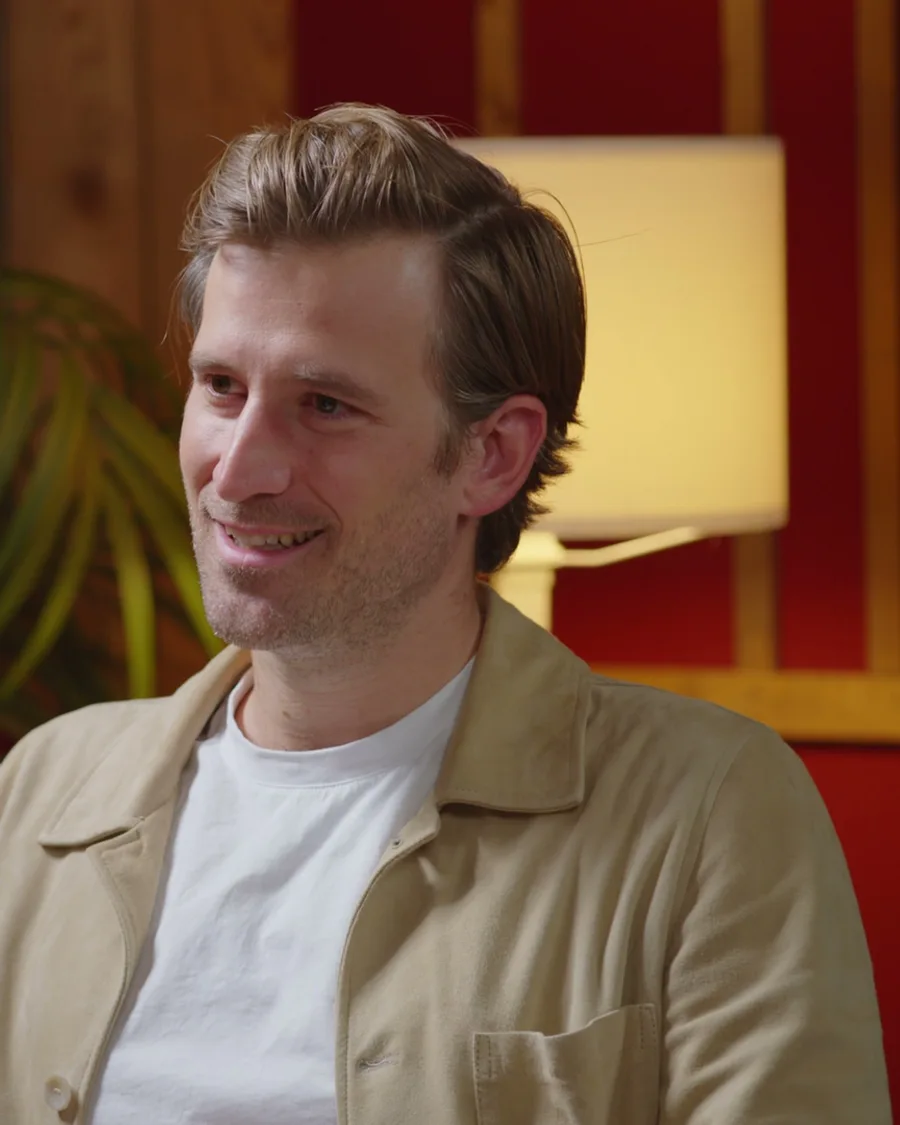
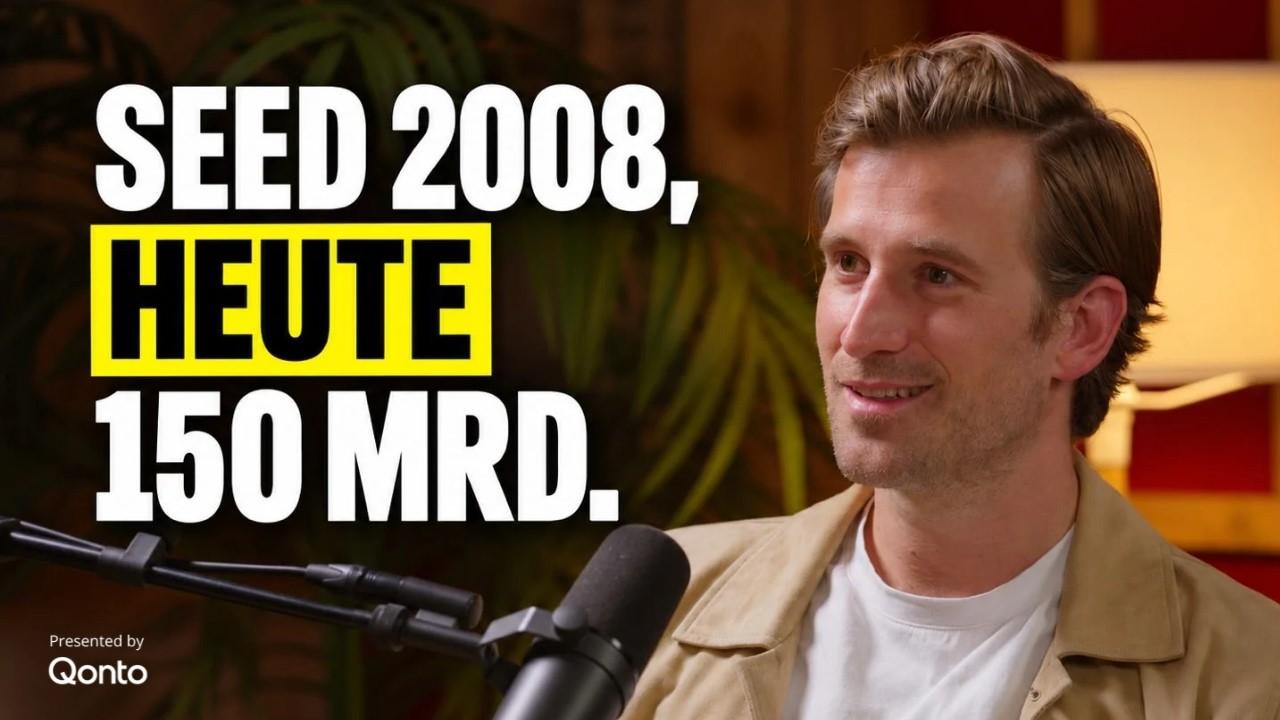
Peter Specht is a partner at the early-stage fund Creandum, which joined Spotify's seed round in 2008 and today backs Lovable, Factorial, Black Forest Labs and Trade Republic, among others. He joined Creandum ten years ago and has since worked out of its offices in San Francisco, Berlin, London and Stockholm. In the episode he talks about companies he works with, including Factorial, Rillet, Jack & Jill and PAVE Space. Of the 20 companies he has worked with, he says four are now worth more than a billion dollars and two are no longer operating.
Episodes
Numbers from the episode
FAQ
Who is Peter Specht?
Peter Specht is a partner at Creandum, an early-stage fund with offices in Europe and San Francisco. Creandum joined Spotify's seed round in 2008 and today backs Lovable, Factorial, Black Forest Labs and Trade Republic, among others. Peter joined the fund ten years ago and works with companies such as Factorial, Rillet, Jack & Jill and PAVE Space. To the episode →
How does Creandum decide on an investment?
A deal team of two to three people does the diligence and champions the company internally. In the investment committee the team presents its thesis for half an hour, then the founders present for 30 to 45 minutes, followed by a discussion and a vote. The scale runs from 1 to 5: 3 to 5 are positive, 1 and 2 negative. An offer requires a positive majority. The vote takes place in a tool Creandum built with Lovable. To the episode →
What does a good pitch deck look like according to Peter Specht?
Short and clear. To Peter a deck is marketing material with 10 to 15 slides and one message per slide: problem, solution, market, opportunity, where you stand today, where you are heading, and team. It should spark interest rather than answer every question an investor might have. Everything else can be requested during diligence or via the appendix. To the episode →
Quotes
„Und ich finde manchmal dieses Kingmaking ist wie so ein Gefangenendilemma. Wenn es einer macht, musst du es eigentlich auch machen.““Sometimes I think this kingmaking is like a prisoner's dilemma. If one does it, you pretty much have to do it too.”
„Timing ist tatsächlich der größte Faktor für Startup-Success. Vor Team und Execution, vor der Idee.““Timing really is the biggest factor in startup success. Ahead of team and execution, ahead of the idea.”
„Es gibt immer genügend Gründe, jeden Deal nicht zu machen. Und die Kunst ist eben zu entscheiden, welche soll man machen.““There are always enough reasons not to do any given deal. The art is deciding which ones you should do.”
„Für mich ist ein Deck kein komplettes Diligence-Material, wo ich alle Fragen beantworten muss, die ein Investor haben kann.““To me a deck is not a complete set of diligence material that has to answer every question an investor might have.”
„Und immer, je größer ein Raum wird, desto politischer wird er. Desto weniger trauen sich Leute, harte Meinungen zu sagen.““The bigger a room gets, the more political it becomes. And the less people dare to voice strong opinions.”