

Who this is
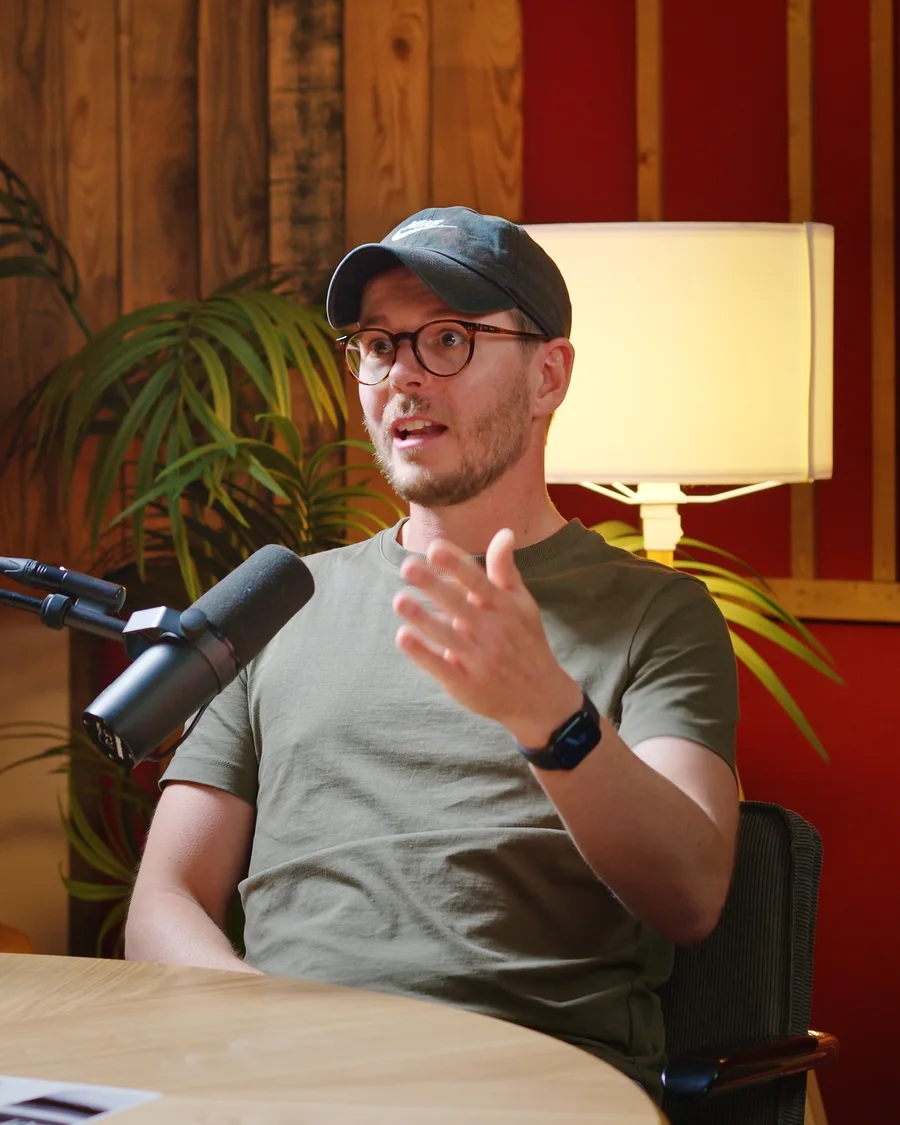
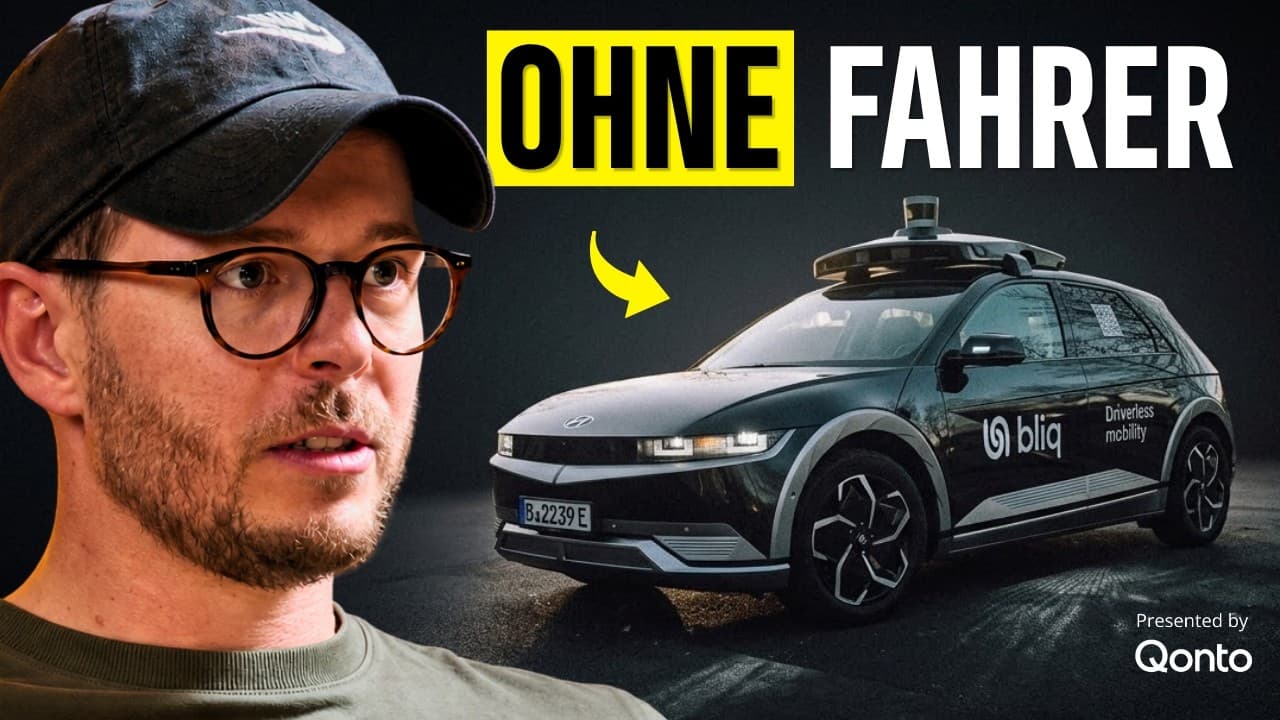
Julian Glaab is co-founder and CEO of Bliq, a Berlin startup that retrofits production cars such as the Hyundai Ioniq 5 into driverless vehicles without damaging them and operates them through a remote supervision center. Before founding the company he worked in production at the Volkswagen Group. With his co-founders he first sold map data to car manufacturers, then built software for taxi drivers and finally his own ride-hailing app in Germany and Poland with 20 million euros in gross bookings. In 2025 he cut that business to zero and put everything into driverless cars. Bliq received its first approval in Estonia, followed by Finland. By 2030 Julian wants to deliver 100,000 vehicles a year. He designed the first hardware generation himself in CAD, 3D-printed it and painted it.
Episodes
Numbers from the episode
FAQ
What does Bliq do?
Bliq is a Berlin startup that retrofits production cars such as the Hyundai Ioniq 5 into driverless vehicles. A roof box holds four cameras, three lidars, an Nvidia computer, three redundant routers and twelve antennas. Bliq operates the cars through a remote supervision center, handles approvals, operating zones and insurance, and bills the customer for vehicle and service. The customer, for example a bus company, a cleaning firm or a car-sharing provider, builds its own business on top. To the episode →
Why did Bliq get its first approval in Estonia rather than Germany?
Germany has had an autonomous driving law since 2022, but according to Julian Glaab its requirements are so vague and so high that nobody can meet them, not even Waymo. For Level 4, Germany only offers a test permit without commercial use. So Bliq contacted every transport ministry in Europe and found a progressive government in Estonia. Finland subsequently recognised the Estonian approval. To the episode →
How does Bliq plan to operate in Germany anyway?
Via a detour: in Germany, Bliq approves its system as Level 2. The vehicle performs the driving task, but a human remains legally responsible, sitting not in the car but remotely in the supervision center. The legal basis is the road traffic remote-driving regulation in force since 1 December 2025. In parallel, Bliq is pursuing the classic Level 4 test route. A first project with bus operator Vetter in Saxony-Anhalt has been announced. To the episode →
How much does a driverless car from Bliq cost?
Roughly a normal leasing rate for the vehicle plus a few hundred euros for the driverless equipment and operations. In Estonia, Julian says, prices are currently 1,000 to 1,500 euros a month. The cleaning company in Tallinn saves eight of ten leasing payments because two driverless cars shuttle its teams from job to job instead of waiting outside. To the episode →
How much money has Bliq raised and how much does it still need?
Just under 40 million euros in total, most of it for the earlier ride-hailing business. To reach 100,000 vehicles a year by 2030, Julian expects to need 400 to 500 million euros over several rounds. The money increasingly comes from family-owned Mittelstand companies in the automotive supply chain who see a 5 to 20 million ticket as a hedge on their own future. Right now Bliq can build around 30 cars per quarter, and the supply chain is the bottleneck. To the episode →
Why did Julian Glaab give up his ride-hailing business?
The app had 20 million euros in gross bookings and around 5 million in revenue in Germany and Poland. When FreeNow sold to Lyft for roughly 1.8 times revenue, Julian did the math: that would be a 10 million exit, not what he had set out to build. At the same time, investors in San Francisco were taking his calls from inside a Waymo. He and his co-founder decided to put the freshly raised money entirely into driverless cars, informed the board and cut the business to zero in June. To the episode →
Quotes
„If you can make it here, you have already made it everywhere else.““If you can make it here, you have already made it everywhere else.”
„… der Kontostand, der tickt. Man kann sich das nicht leisten, darauf zu warten, dass irgendein Politiker … Man muss Konsequenzen daraus ziehen, ansonsten überlebt man als Unternehmen nicht.““The bank balance is ticking. You can't afford to wait for some politician to solve the problems. You have to act on it, otherwise you don't survive as a company.”
„… wir sind zwar eine deutsche Firma, aber wir machen das im China Speed und unsere Ambition ist American.““We may be a German company, but we do this at China speed and our ambition is American.”
„… es ist immer besser, glaube ich, eine falsche Entscheidung zu treffen, als eine Entscheidung irgendwie rauszuzögern.““I think it's always better to make a wrong decision than to drag a decision out.”
„Die andere Person denkt vielleicht im Monat eine Stunde über deine Firma nach. … du weißt so viel mehr.““The other person maybe thinks about your company one hour a month. You know so much more.”