
Who this is
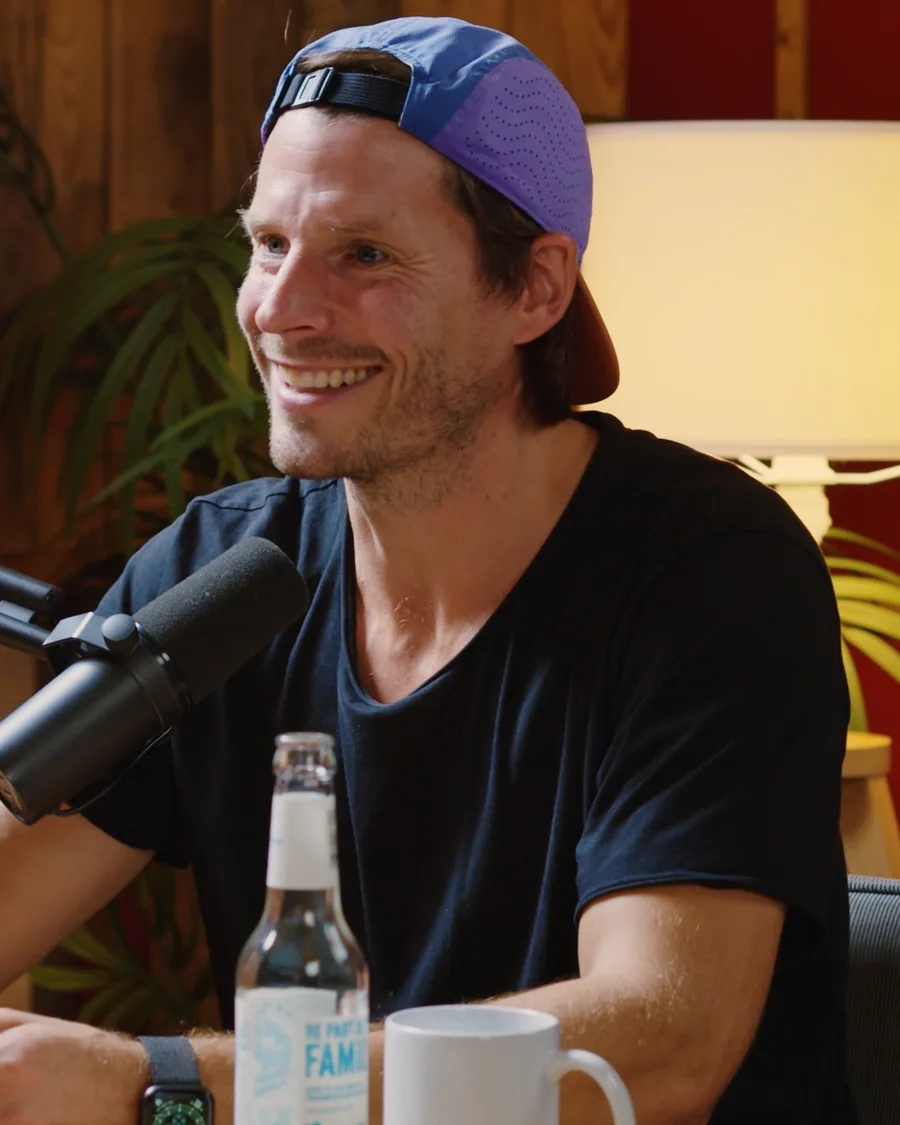
Sievert Weiss is a physician and co-founder of Amboss. He started the company in 2011 with two friends from his study group, frustrated by an outdated exam-prep DVD for the German medical state exam. The first product was built in a shared attic flat in Cologne where the rain came through the roof. After a year in clinical anaesthesia he returned to the company for good. Today, according to Sievert, more than 130,000 doctors in Germany use the platform, along with around 95 percent of German medical students and more than 60 percent of medical students in the US. Amboss has users in 180 countries, makes around 100 million in revenue and employs about 600 people, a good third of them physicians. AMBOSS SE is headquartered in Berlin with offices in Cologne and New York. Sievert cycles to the office every day, has discovered Stoicism for himself and likes to mentor founders in medicine and education.
Episodes
Numbers from the episode
FAQ
What is the NOHARM study and how did Amboss do?
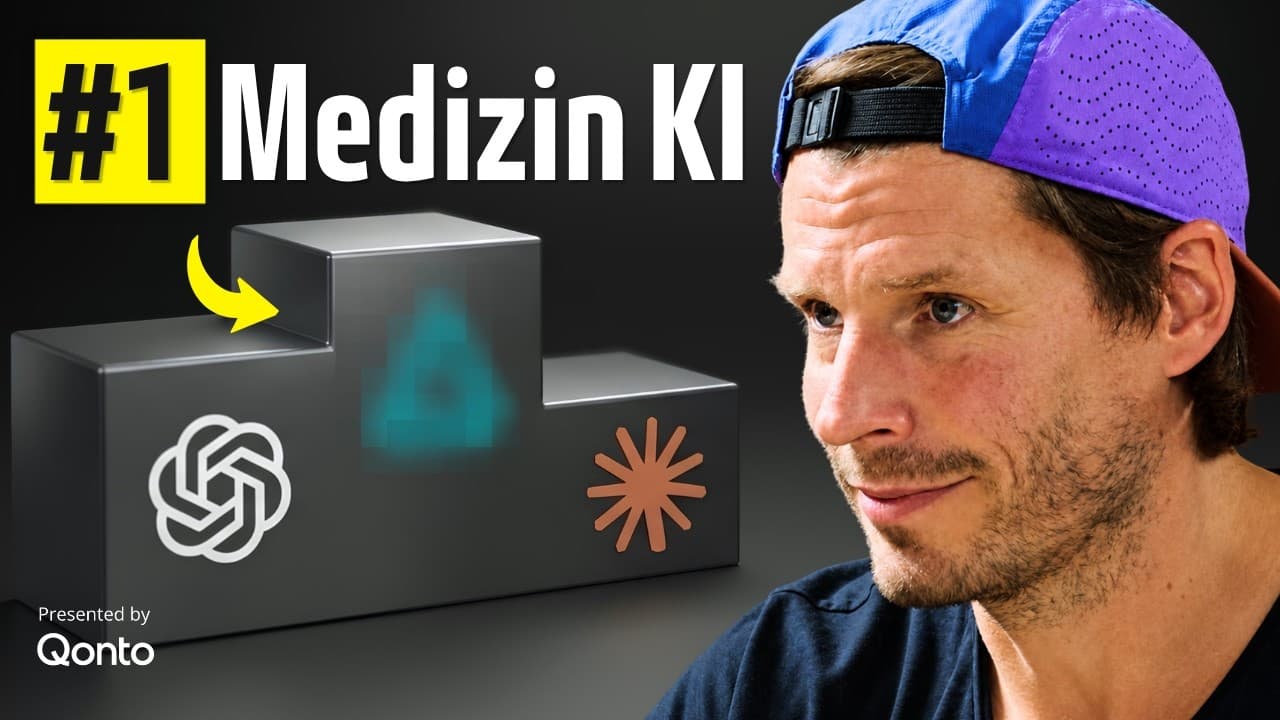
NOHARM is a safety benchmark for clinical AI by researchers from Stanford and Harvard. It is based on real consultation questions that doctors in the San Francisco area sent to a network of experts. Amboss AI ranks first for the second time, ahead of ChatGPT, Claude and Gemini, with the lowest error rate of 2.9 percent. In NOHARM 1 the model was three times as good as human specialists without AI in three of four categories. To the episode →
How does Amboss's AI work?
Amboss didn't train its own foundation model; it built a RAG system: the LLMs interpret the question, retrieve the answer from Amboss's own knowledge base and return it. That database has been written for around 15 years by more than 100 doctors in the editorial team, oriented towards practice, for example: what do I do with high blood pressure when the first drugs stop working? Amboss decides which models run in the background, and every change is tested against its own health bench of more than 100 clinical cases. To the episode →
How did Amboss start?
In 2011 Sievert Weiss, Kenan and Madjid were studying for the German medical state exam as a group of three in Cologne and were annoyed by an exam-prep software on DVD with no didactics at all. Instead of going to the hospital, they gave themselves two years. They wrote the first product with all the exam content together with friends and family in an old shared flat in a Cologne attic with a leaking roof. Around half a million in angel money went mainly into licences for the exam questions. To the episode →
How did Amboss reach a 90 percent market share?
According to Sievert, the product was simply clearly better than anything before it. Because the state exam takes place only twice a year, the team could measure market share per exam date: 15 percent in the first round, then 80, then 90 percent, one year after launch. There was no advertising; the driver was students' fear of being at a disadvantage with the old product. For more than ten years the share has been around 95 percent, and all universities but one now provide Amboss. To the episode →
How big is Amboss today?
In the episode Sievert gives these numbers: more than 130,000 doctors in Germany on the platform, a little more than a quarter of all physicians, more than 500 hospitals, in the US more than 60 percent of medical students and a good 50 percent of residents, users in 180 countries, around 2 million users in total, around 100 million in revenue and about 600 people, a good third of them physicians. Five founders have been on board for almost 15 years. To the episode →
What is negative visualisation and why does Sievert Weiss recommend it to founders?
Negative visualisation is a Stoic technique: for a few seconds you imagine not having something you have right now, for instance that your child doesn't come home from school today. Afterwards you experience the moment more consciously and chase the next dopamine hit less. Sievert uses it to stay present during the rush hour of life with a company and kids. It doesn't kill your drive: you can be content with what you have and still pursue a mission. To the episode →
Quotes
„… wenn die Ärzte der KI vertraut hätten und den Vorschlägen gefolgt wären, dann wäre das das beste System gewesen.““If the doctors had trusted the AI and followed its suggestions, that would have been the best system.”
„… eigentlich muss es dahin kommen, dass der Arzt bereit ist … seine Vulnerabilität zu zeigen und zu sagen, ah, Moment, das weiß ich nicht …““We have to get to the point where the doctor is willing to show vulnerability and say: wait, I don't know that.”
„Also wahrscheinlich wird es ja nicht erfolgreich, das wussten wir auch. … Aber wir werden sehr viel gelernt haben.““It probably won't be successful, we knew that too. But we will have learned a lot.”
„Insofern sehen wir sehr diesen Weg des Arztes empowered by AI, aber nicht Arzt replaced by AI.““So we very much see the path of the doctor empowered by AI, not the doctor replaced by AI.”
„Und der wesentliche Unterschied ist zu starten. Das trennt 99% von diesem 1%.““And the essential difference is to start. That separates 99 percent from this one percent.”